
Nullam dignissim, ante scelerisque the is euismod fermentum odio sem semper the is erat, a feugiat leo urna eget eros. Duis Aenean a imperdiet risus.
Nullam dignissim, ante scelerisque the is euismod fermentum odio sem semper the is erat, a feugiat leo urna eget eros. Duis Aenean a imperdiet risus.
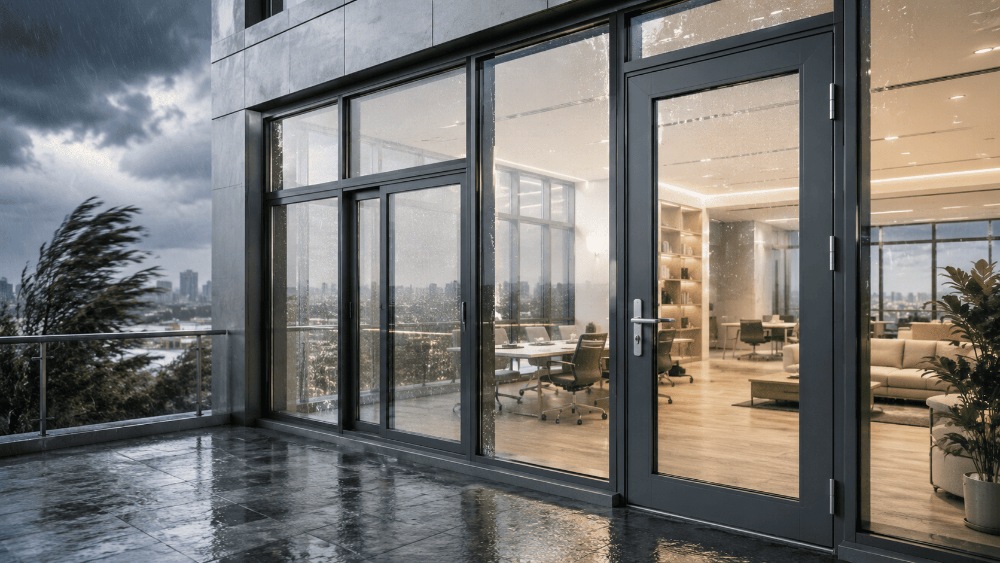
Procurement teams often compare frame color, glass thickness, quotation, and delivery time first. For aluminum windows and doors, three checks should come earlier: air tightness, water tightness, and wind load resistance.
These factors affect comfort, leakage risk, energy use, noise control, and maintenance. This is especially important for commercial aluminum doors and windows used in offices, hotels, apartments, and storefronts.
A low unit price can look attractive during bidding, but poor performance usually appears after handover. Air leakage may increase cooling or heating demand. Water leakage can damage interiors. Weak wind resistance can create noise, movement, deformation, or safety concerns in exposed locations.
The same configuration will not suit every project. A low-rise interior partition, a coastal apartment balcony, and a high-rise commercial facade all face different pressure levels. Before finalizing aluminum windows and doors, buyers should define location, building height, opening size, rain exposure, and use frequency.
A practical specification connects product structure with site conditions, including frame strength, glass, sealing, drainage, hardware, and installation tolerance.
Buyers should ask how a supplier controls air tightness, water tightness, and wind load resistance, and whether the configuration can support local project needs.
Air tightness shows how well a closed window or door limits unwanted air movement. For energy efficient aluminum windows, a better seal can reduce hot or cold air exchange and help indoor systems work with less waste.
A tight frame-to-sash fit depends on profile precision, gasket quality, corner joints, and locking pressure. Casement systems often perform well because the sash presses against the frame when locked. Sliding systems can also perform well, but overlap zones, tracks, and side frames need closer review.
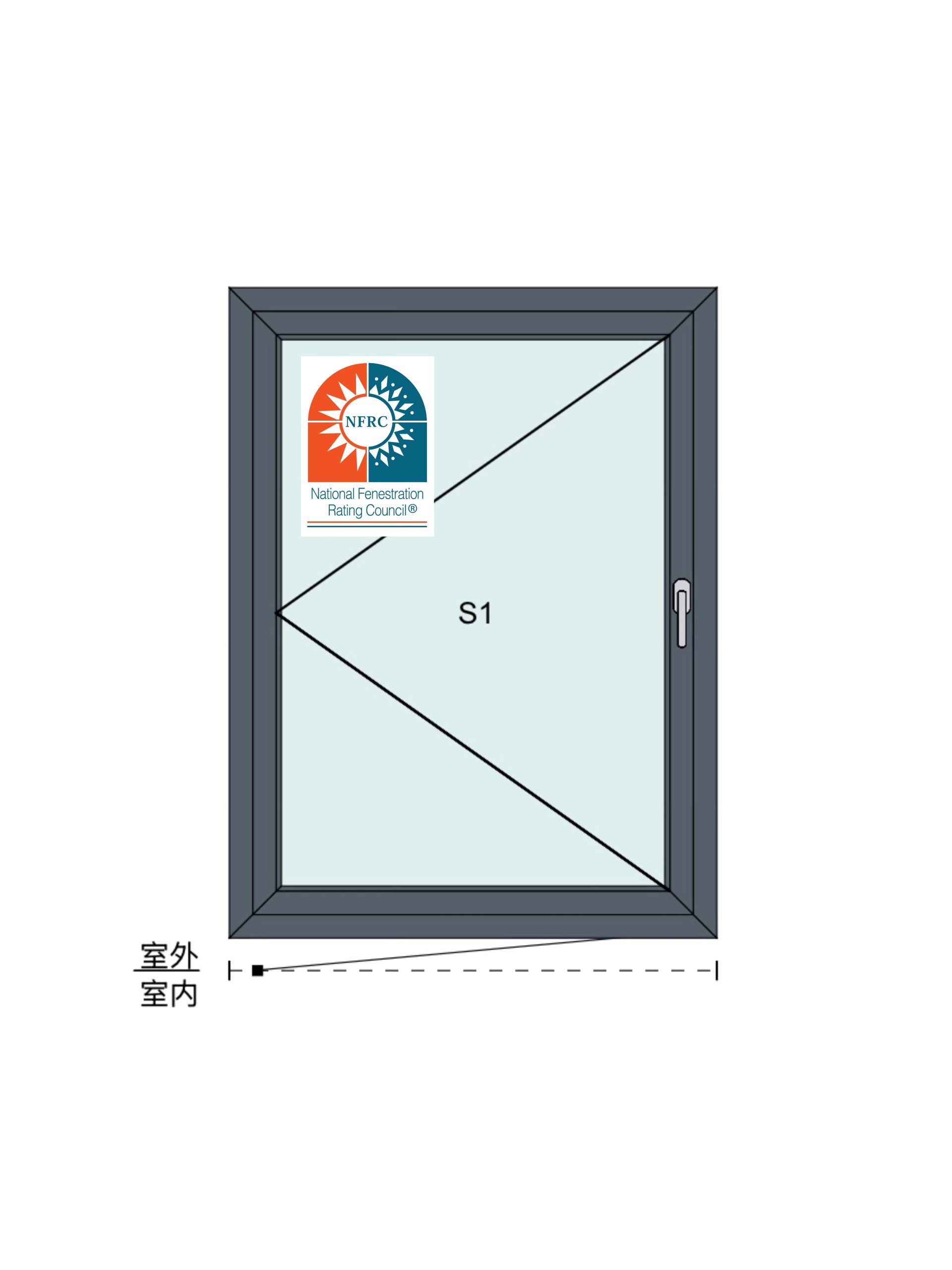
Yuxinyuntong’s Multi-Functional Broken Bridge Aluminum Casement Door uses insulated aluminum profiles, PA66 nylon insulation strips, heavy-duty hinges, and a multi-point locking system. It is a useful reference when buyers need an aluminum casement door with stable closing pressure and a tight seal.
Hardware is not only about operation. Hinges, locks, rollers, and handles affect how firmly the sash or panel closes. A multi-point locking system can distribute pressure more evenly than a single lock point, which matters when doors and windows face repeated use.
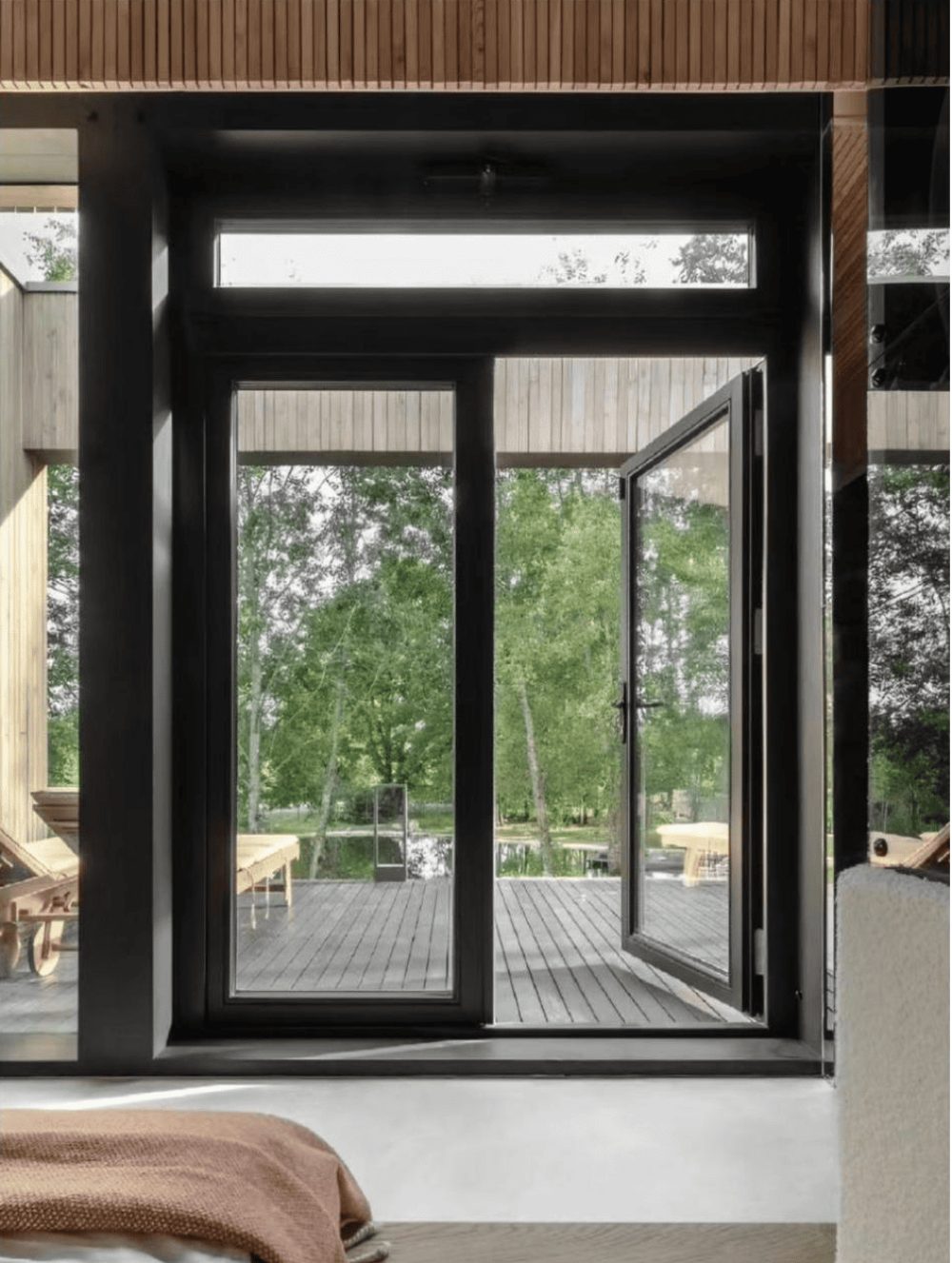
Water tightness depends on product design and installation quality. Rain can collect at the lower frame, pass through track gaps, or enter through poorly sealed corners.
Buyers should ask where water will go once it reaches the sill or bottom track. This is important for rainy regions, coastal projects, balconies, patios, and storefront entrances.
For sliding systems, drainage deserves special attention because the panel moves through a track. Dust, sand, or small debris can slow water discharge and affect movement. A good review should include cleaning access, roller protection, and track suitability.
Glass selection also affects water control. Insulated glass, laminated glass, tempered glass, and Low-E glass each solve different needs, but none can replace proper sealing. Energy efficient aluminum windows still need suitable gaskets, sealant, and installation practice to maintain water tightness over time.
Buyers should also confirm whether the selected glass weight matches the frame and hardware, especially in spaces with wide openings or frequent operation.
Wind load resistance becomes more important when the building is tall, near the coast, exposed to open areas, or fitted with large glass units. It is not only about strong wind. It also affects vibration, noise, frame movement, glass safety, and user confidence.
Buyers should not choose a frame only by appearance. Profile material, wall thickness, reinforcement, corner connection, and installation fixing all influence wind performance.
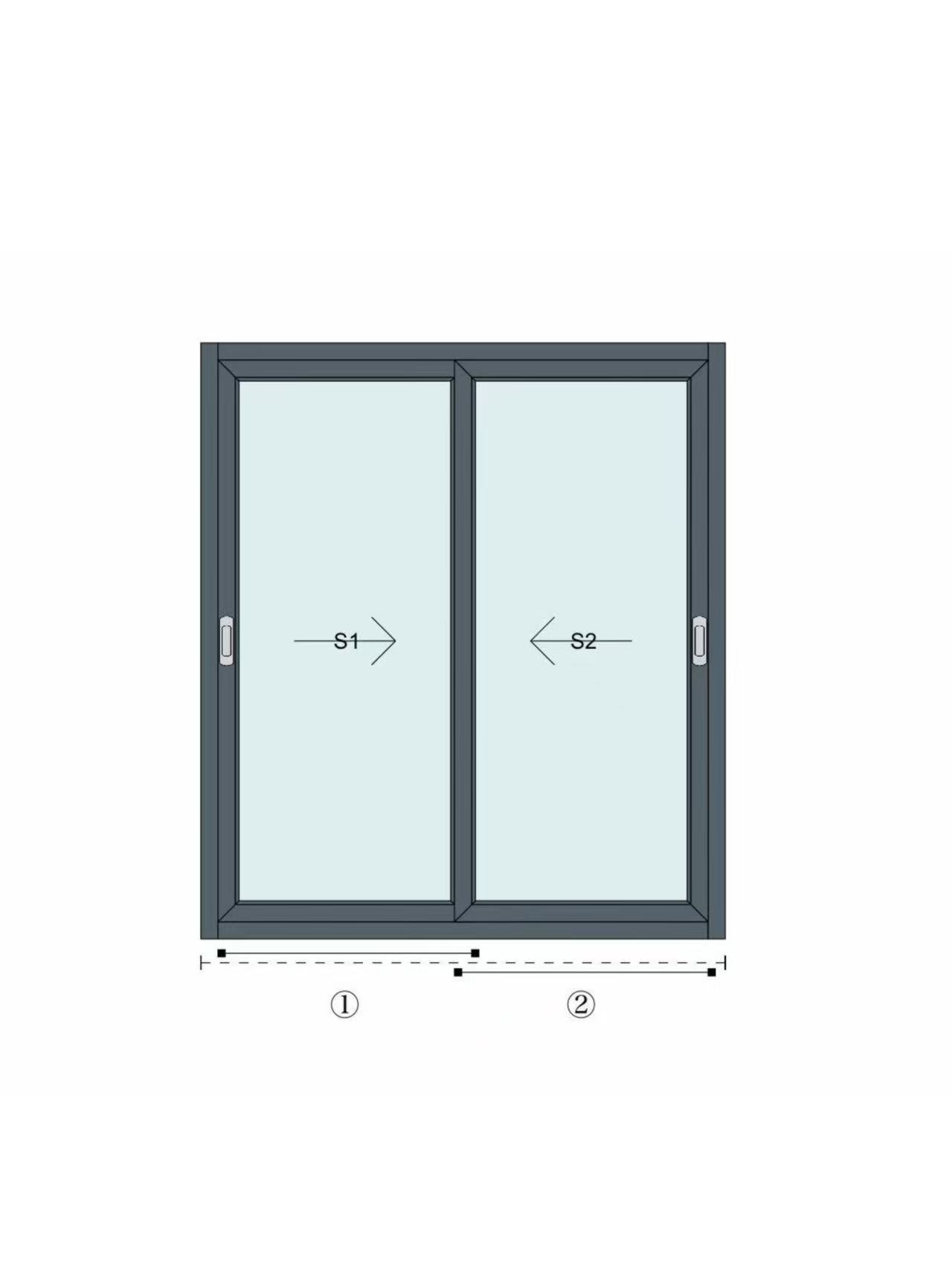
Yuxinyuntong’s Sliding Window uses thermally broken aluminum profiles with polyamide nylon strips, precision-engineered tracks, and a space-saving horizontal rolling structure. For projects comparing an aluminum sliding window system, this shows why track stability and frame rigidity should be checked with insulation and air sealing.
A protected storefront and a high coastal balcony window should not use the same decision standard. Buyers need to match wind load resistance with local requirements, building height, and exposure. If test reports or certification support are needed, discuss them before production begins.
Different opening types create different performance risks. Buyers should compare how each type behaves in the project.
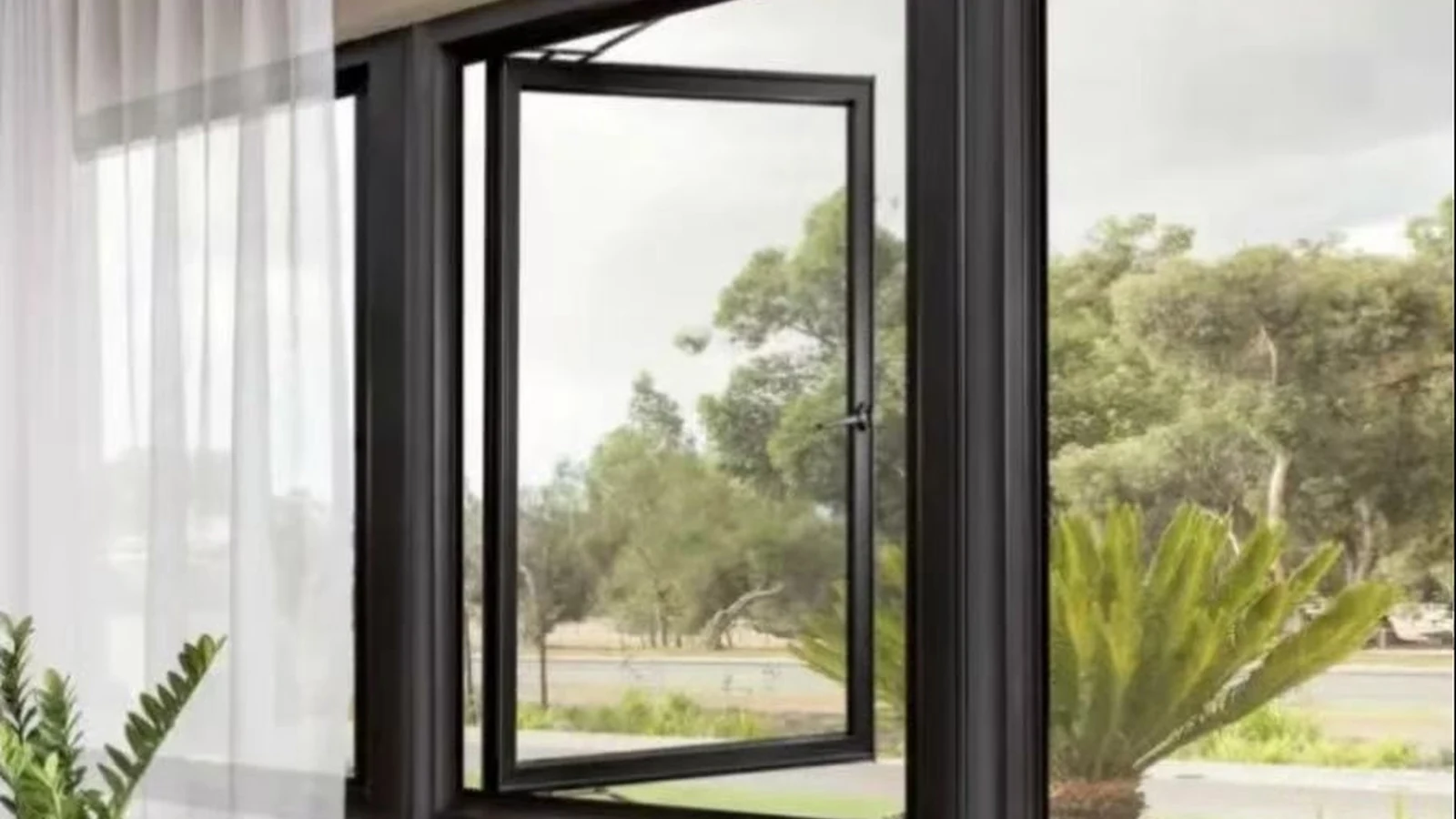
Casement doors and windows often suit projects that need stronger closing pressure, better sealing, and simple ventilation control. An aluminum casement door is a practical option for entrances, sunrooms, partitions, balconies, and other spaces where secure closing matters. Buyers should still confirm hinge capacity, sash size, glass weight, and lock configuration before ordering.
Sliding systems save space because they do not need swing clearance. This helps apartments, hotels, public facilities, and commercial buildings where corridors or traffic flow limit the opening area. An aluminum sliding window can also support ventilation and daylight while keeping operation simple. The main checks are track precision, drainage, roller strength, and sealing at panel overlap points.
A clear checklist reduces mistakes before manufacturing. Buyers can use the following points when reviewing commercial aluminum doors and windows:
| Project location | Climate, rain exposure, wind pressure, building height |
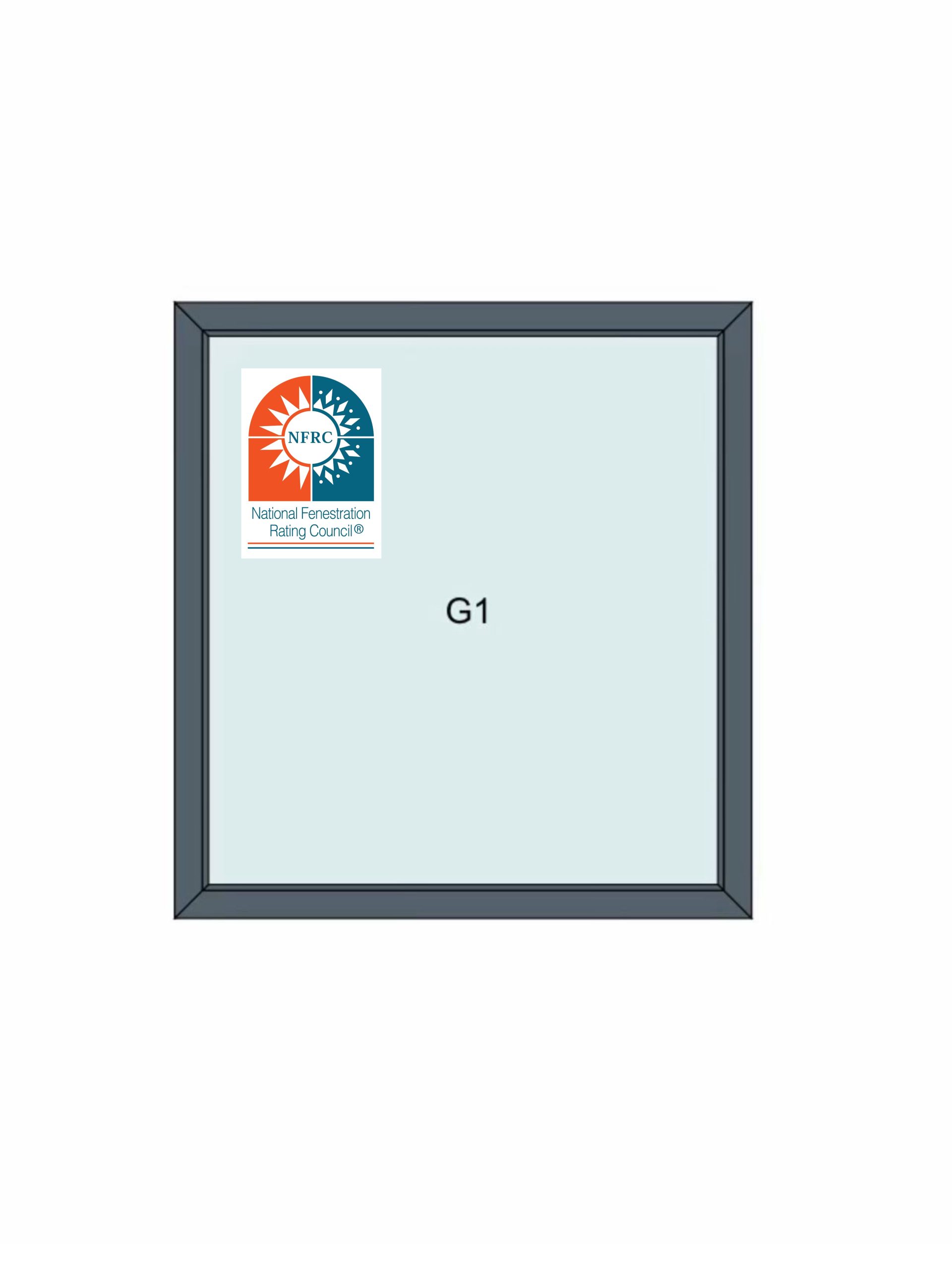
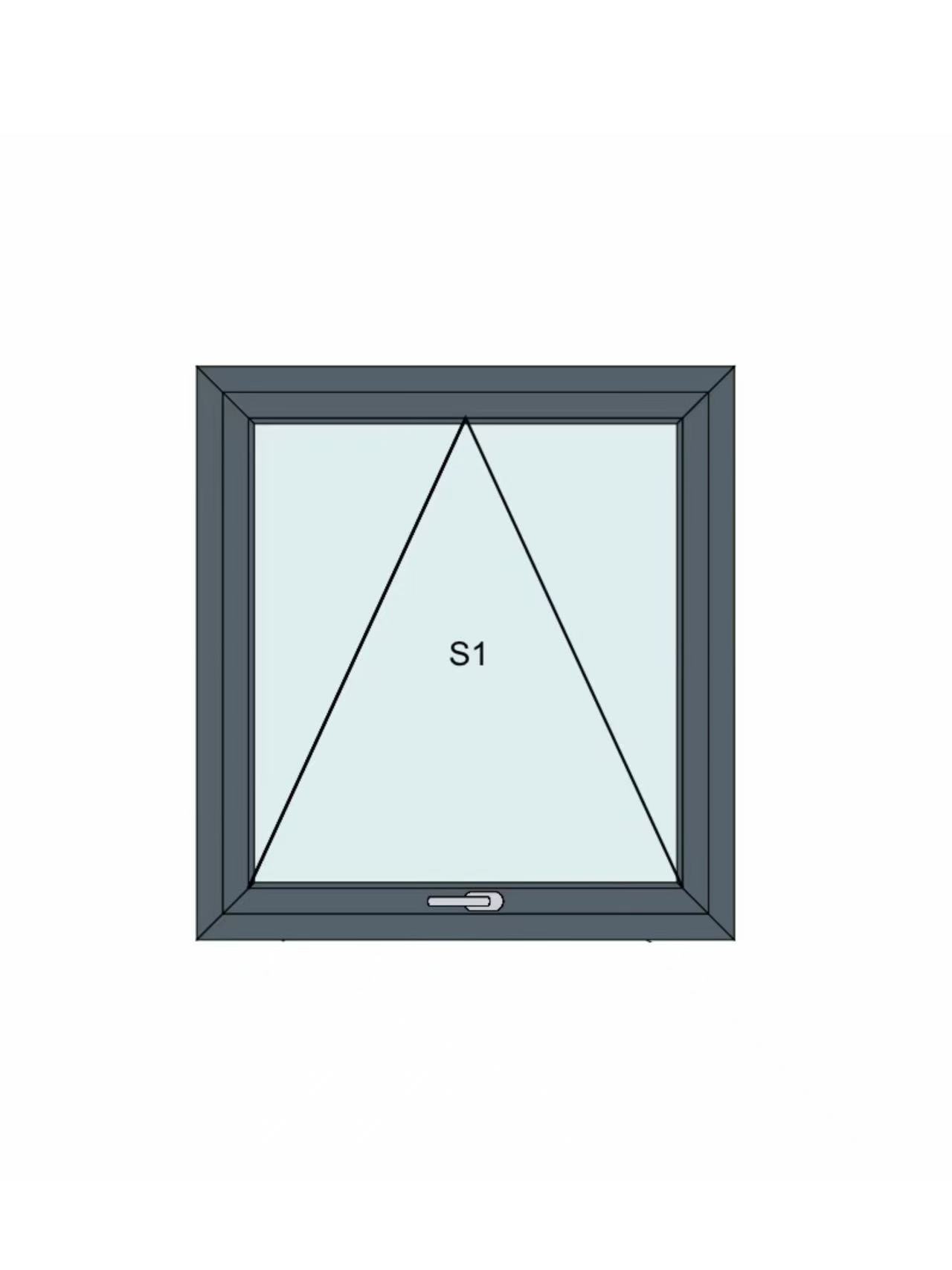
| Opening type | Casement, sliding, fixed, awning, folding, or mixed system |
| Frame material | Standard aluminum, thermal break aluminum, UPVC, or other options |
| Glass package | Low-E, insulated, laminated, tempered, sound control glass |
| Sealing system | Gaskets, EPDM strips, sealant, frame-sash fit |
| Drainage | Sill slope, drainage holes, track design, cleaning access |
| Hardware | Hinges, rollers, handles, locks, multi-point locking system |
| Documentation | Drawings, certificates, test information, order confirmation |
For broader planning, buyers can review the Yuxinyuntong windows category to compare opening styles and frame structures. When doors are part of the same project, the doors category helps buyers compare sliding, folding, French, and casement options.
It is about matching air tightness, water tightness, and wind load resistance to the building’s real conditions. The right configuration may be a casement system for stronger closing pressure, a sliding system for space-saving operation, or a mixed design for daylight and ventilation.
Before production, prepare opening sizes, project location, climate conditions, glass needs, color preference, usage frequency, and any certification requirements. If the project needs aluminum windows and doors with a practical performance review, buyers can send the specifications to Yuxinyuntong for a configuration discussion. For drawings or product matching, send the project details for review before confirming the order.
Q: Why should buyers check air tightness before ordering windows and doors?
A: Air tightness affects comfort, energy use, and noise control. Poor sealing can allow unwanted air movement around the frame, sash, or track. Buyers should review gaskets, locking pressure, frame precision, and installation conditions before confirming a bulk order.
Q: Is water tightness mainly a product issue or an installation issue?
A: It is both. The product needs proper sealing, drainage holes, sill design, and suitable glass fitting. Installation must also control the wall connection, sealant, levelness, and water discharge path. A good product can still leak if the opening or installation detail is poor.
Q: When does wind load resistance become a priority?
A: Wind load resistance becomes important for high-rise buildings, coastal projects, large glass openings, exposed balconies, storefronts, and public spaces. Buyers should match frame strength, glass configuration, hardware, and fixing method to the project location and building height.








Leave a comments