
Nullam dignissim, ante scelerisque the is euismod fermentum odio sem semper the is erat, a feugiat leo urna eget eros. Duis Aenean a imperdiet risus.
Nullam dignissim, ante scelerisque the is euismod fermentum odio sem semper the is erat, a feugiat leo urna eget eros. Duis Aenean a imperdiet risus.
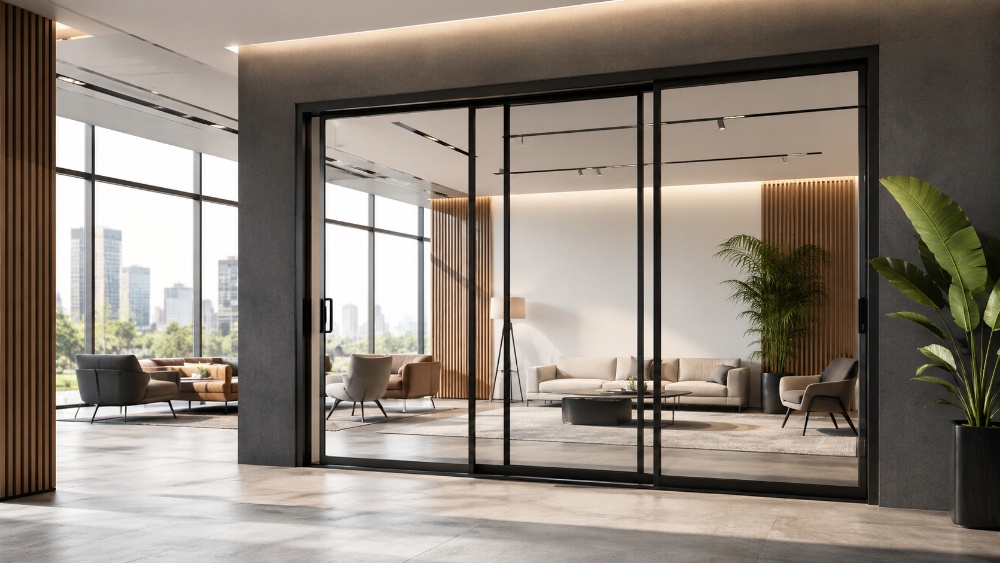
Commercial buyers do not choose sliding doors only for a clean glass view. The door affects cooling load, indoor comfort, traffic, safety, and later maintenance. A good purchase decision starts with five points: frame structure, glass package, sealing design, track quality, and hardware security.
Price still matters, but the lowest quotation may create a higher cost later if the door leaks air or moves poorly. For project buyers, the better question is simple: can this door match the building use, climate, opening size, and operating frequency?
A standard residential door may work well in a low-use space, but commercial sliding glass doors carry more pressure. They may be opened many times a day, exposed to public areas, or installed in large openings where frame strength and roller quality matter. In retail and office spaces, the door must also support visibility without reducing comfort.
Commercial entrances and balcony connections often need a balance between daylight and insulation. If the door faces strong sun, frequent air conditioning, rain, or street noise, a basic glass door may not be enough. Many project specifications now move toward aluminum sliding glass doors with better thermal control and stronger hardware.
Aluminum is widely used for commercial doors because it is strong, stable, and suitable for slim frame designs. The concern is heat transfer. Standard aluminum conducts heat more easily, which can affect rooms that rely on a stable indoor temperature.
Thermal break aluminum reduces that problem by adding a thermal insulation barrier inside the profile. For projects that need better comfort and lower energy loss, thermally broken aluminum sliding doors are usually a more suitable direction than standard aluminum doors. They are especially useful in offices, hotels, apartment balconies, and shopfronts.
Buyers should consider thermal break frames when the project has long cooling or heating hours, faces strong sunlight, or requires better air sealing. In practical procurement, ask whether the frame uses PA66 thermal insulation strips, what profile series is available, and whether the supplier can confirm the profile and section details before production.
These details help avoid the common problem of receiving a door that looks correct but cannot support the required energy performance.
Glass selection changes the value of energy efficient sliding glass doors more than many buyers expect. The same frame can perform very differently with basic glass, Low-E glass, laminated glass, or upgraded insulating glass.
Low-E coated glass is often chosen when buyers need better heat control while keeping natural light. Tempered glass is suitable for general safety. Laminated glass improves impact resistance and is often preferred for public-facing areas, high-rise projects, and street-level commercial entrances. Soundproof glass may be worth considering for hotels, apartments, and offices near roads.
Double glazed sliding doors are usually a stronger option for projects that need both insulation and noise control. Before ordering, buyers should confirm glass thickness, air or gas layer design if available, safety requirements, and whether the selected glass matches local building expectations. Avoid choosing glass by appearance alone.
Sliding doors have more potential leakage points than fixed glass panels. Air and water can pass through sash overlaps, frame joints, bottom tracks, and poorly fitted gaskets. A reliable sealing system helps reduce air infiltration and supports a more stable indoor environment.
For commercial sliding glass doors, sealing should be reviewed together with the threshold, side frame, and track connection. Buyers should ask how the sealing strips are arranged, how the panel closes into the frame, and whether the system is designed for the project’s climate.
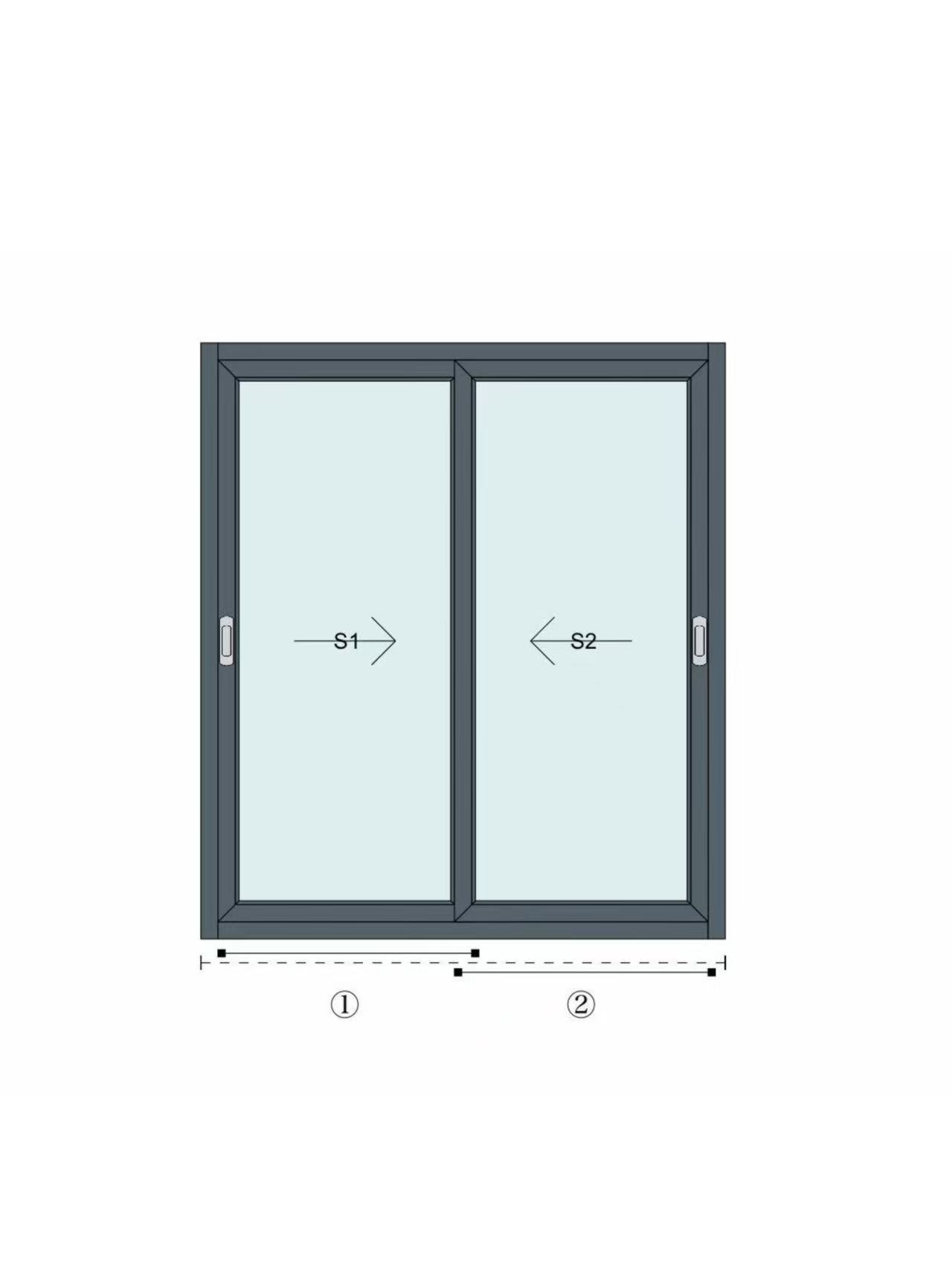
The track affects movement, cleaning, water discharge, and maintenance. A two-track sliding door can be practical for many commercial and residential project openings because it supports space-saving horizontal movement without swing clearance.
Before confirming bulk orders, check track levelness requirements, roller load capacity, drainage holes, water-stop design, and whether the bottom track can be cleaned after installation. These details are easy to ignore in quotations, but often become the source of service calls after handover.
Hardware should be specified according to use frequency, door size, and security demand. Rollers must support the glass weight and keep the panel moving smoothly. Handles should be easy to operate without becoming weak under repeated use. Locks should match the project’s access level.
For shops, offices, and apartment balconies, a multi-point locking system can improve the closing fit and provide better security than a simple lock. It also helps the door close more evenly, which supports sealing performance.
After the main specification points are clear, buyers can compare specific models. The Energy-Saving Broken Bridge Aluminum Two-Track Sliding Door is designed around high-performance broken bridge aluminum profiles, Low-E coated glass, thermal insulation strips, sealing systems, and a multi-point locking system. Its product configuration also includes EPDM material with PA66 nylon thermal insulation strips, multiple hardware selections, and color options such as black, white, brown, and customized finishes.
This type of product is a good fit when a project needs a clean glass entrance, better heat control, safe locking, and smooth sliding operation. It can be considered for residential or office spaces that care about energy conservation and comfort, and it also suits project discussions where buyers need a practical two-track structure rather than a wide multi-panel folding system.
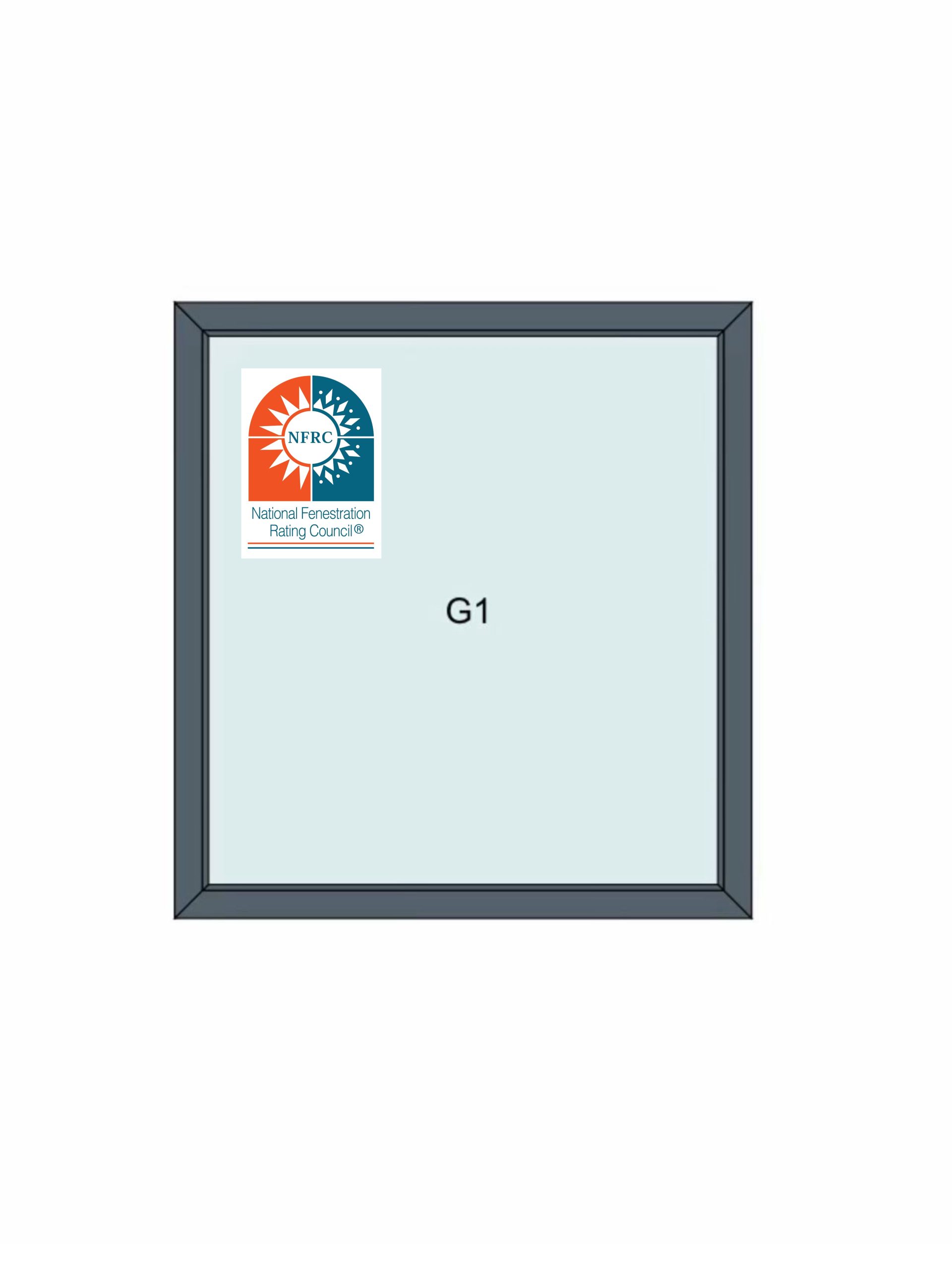
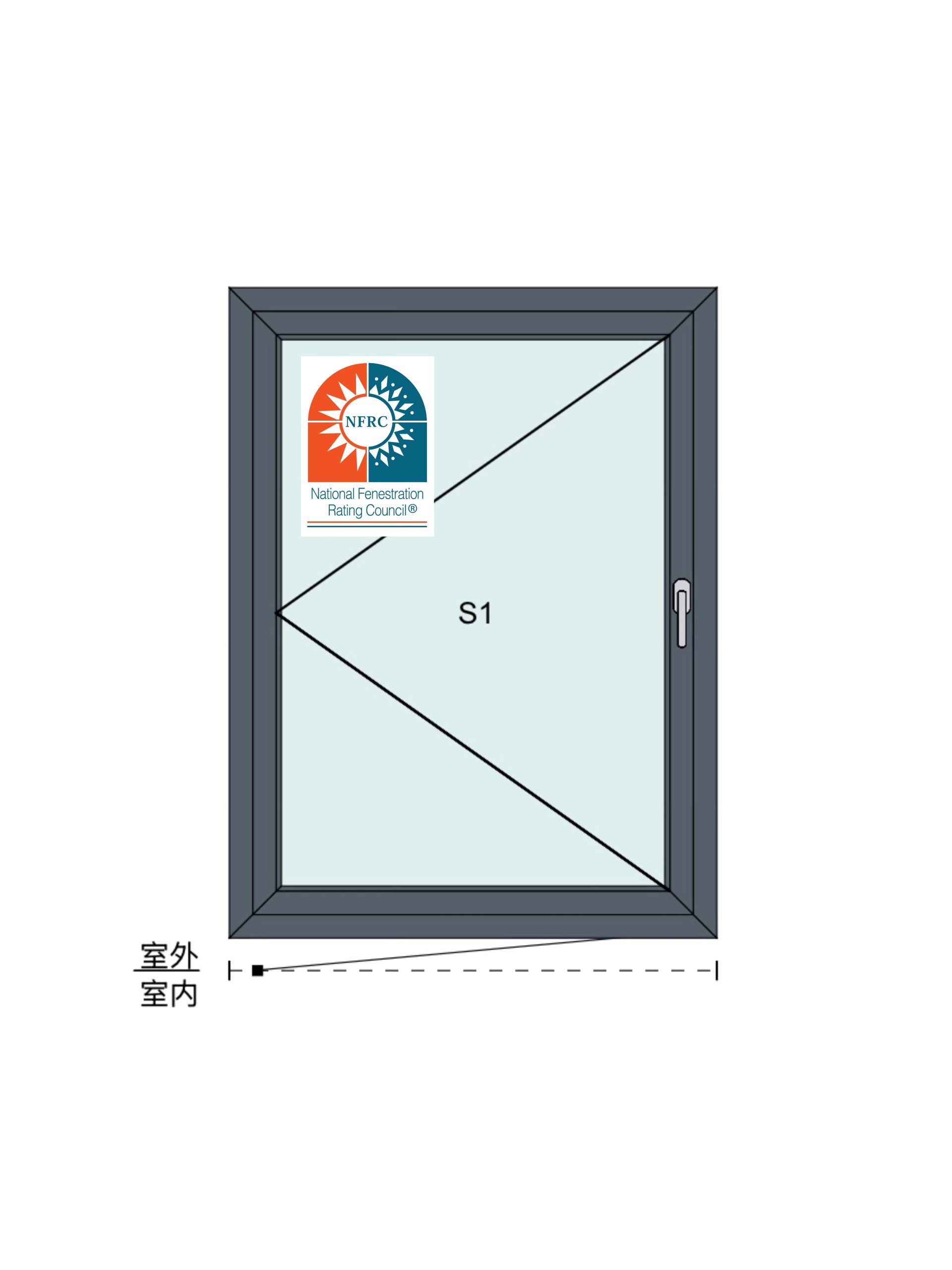
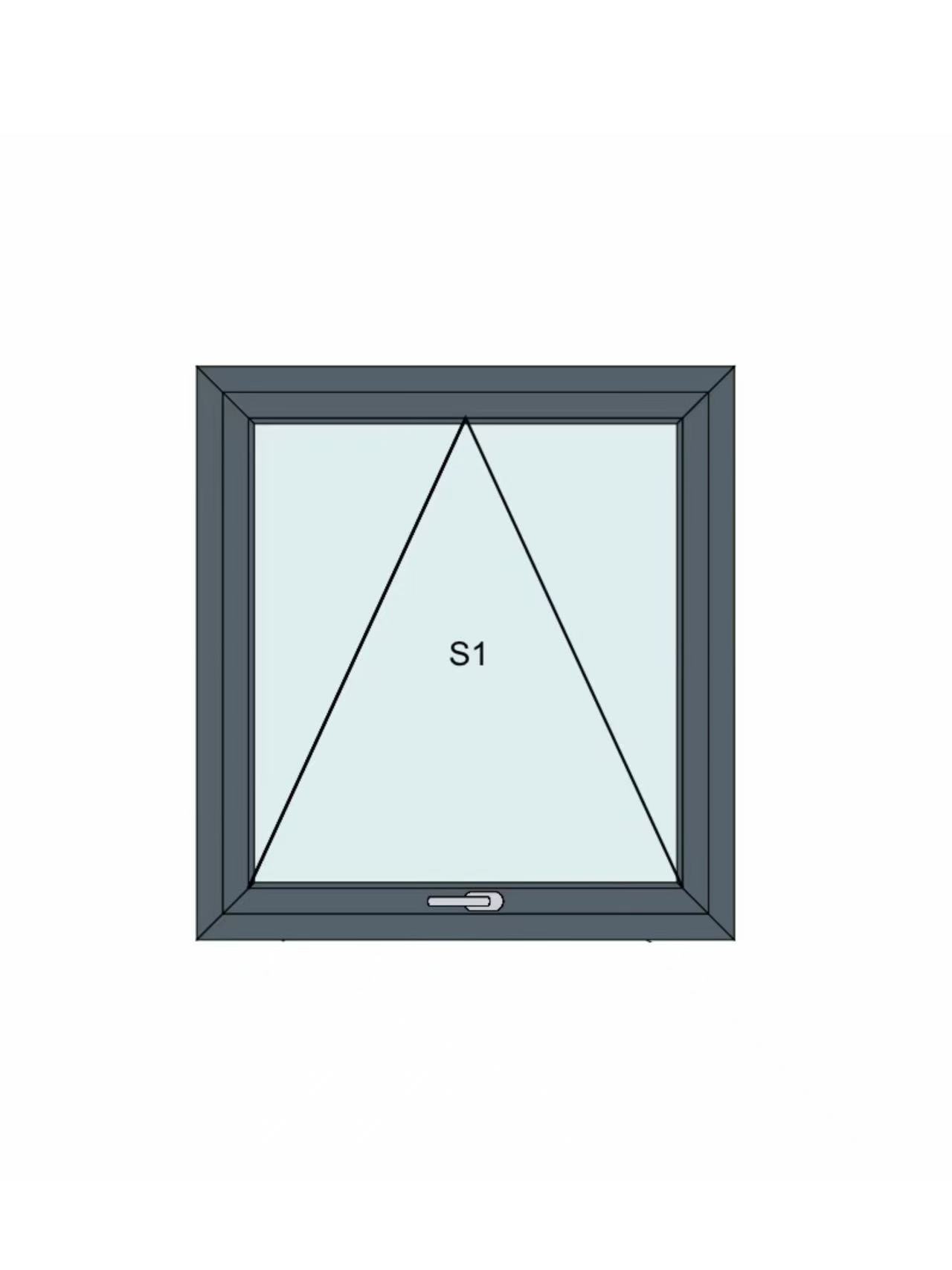
For broader door planning, project buyers can also compare related door solutions such as sliding doors, French doors, folding doors, and casement doors. The right choice depends on opening width, traffic flow, sealing demand, and the space available around the opening.
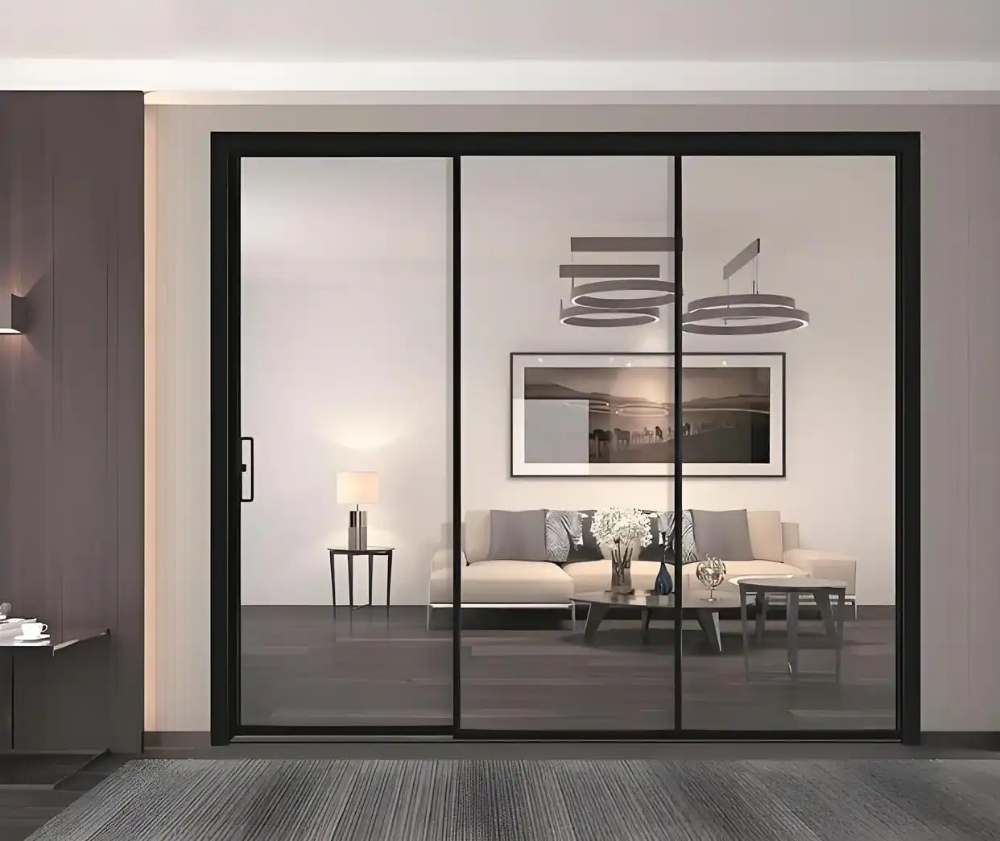
Office buildings usually need a stable indoor temperature, controlled noise, and smooth operation. Thermally broken aluminum sliding doors with Low-E or insulated glass are a better direction for these projects.
Hotels and apartments often focus on comfort and maintenance, so buyers should look at glass safety, sealing performance, roller durability, and track cleaning. Retail shops and showrooms need visibility, security, and a space-saving entrance. Aluminum sliding glass doors can support display value while avoiding the swing space required by hinged doors.
Balcony and patio connections need water control, ventilation, and insulation. A two-track structure, proper drainage, Low-E glass, and reliable seals should be checked before ordering. Coastal or humid areas need corrosion-resistant frame treatment and stronger attention to sealing and hardware.
A clear supplier discussion reduces order risk. Before placing an order, ask for the frame system, glass options, hardware selection, locking system, color finish, drainage details, and drawing confirmation. If the project involves several openings, ask whether sizes can be reviewed one by one before manufacturing.
Packaging and shipping also matter for bulk orders. Large glass doors need careful packing, clear labeling, and a shipping method that matches the order volume. Buyers may also need market documents, test information, or certification support.
At Yuxinyuntong, we prefer to review the application scenario before recommending a configuration. This helps avoid over-specifying where a simple solution is enough, and it also helps prevent under-specifying in areas with higher use frequency or stronger weather exposure.
For most B2B projects, the better choice is not the cheapest sliding door. It is the door that can keep stable performance after installation. Buyers should prioritize energy efficient sliding glass doors with a thermal break frame, suitable glass package, reliable sealing, smooth track hardware, and secure locking.
Before confirming production, prepare the opening size, project location, climate conditions, glass requirement, color preference, and usage scenario. These details help the supplier recommend a practical configuration.
If you are sourcing doors for an office, apartment balcony, hotel, retail shop, or commercial entrance, send your project specifications for review and ask for a configuration based on actual project needs.
Q: What makes sliding glass doors energy efficient for commercial projects?
A: The main factors are thermal break aluminum profiles, Low-E or insulated glass, reliable sealing, and well-designed tracks. These parts reduce heat transfer and air leakage while keeping the door stable for daily use.
Q: Are thermally broken aluminum sliding doors suitable for retail shops?
A: Yes, when the shop needs clear visibility, better indoor comfort, secure locking, and space-saving operation. Buyers should still confirm glass safety, track quality, and traffic level before ordering.
Q: What should buyers confirm before placing a bulk order for sliding doors?
A: Buyers should confirm frame type, glass package, hardware, lock system, color finish, drainage design, drawings, packaging, and delivery method. Size confirmation before production is especially important.








Leave a comments