W e l c o m e t o Y u x i n y u n t o n g

Loading

Nullam dignissim, ante scelerisque the is euismod fermentum odio sem semper the is erat, a feugiat leo urna eget eros. Duis Aenean a imperdiet risus.

Wall Angle (L-shaped Comer Keel) 3
Wall Angle (L-shaped Comer Keel) 4
Wall Angle (L-shaped Comer Keel) 5
Wall Angle (L-shaped Comer Keel) 2
Wall Angle (L-shaped Comer Keel) 1
Wall Angle (L-shaped Comer Keel) 3
Wall Angle (L-shaped Comer Keel) 4
Wall Angle (L-shaped Comer Keel) 5
Wall Angle (L-shaped Comer Keel) 2
Wall Angle (L-shaped Comer Keel) 1

Wall Angle (L-shaped Corner Keel)

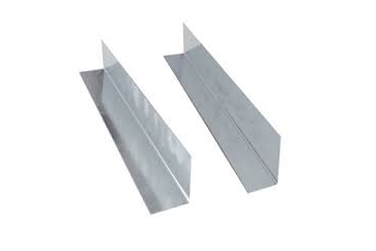
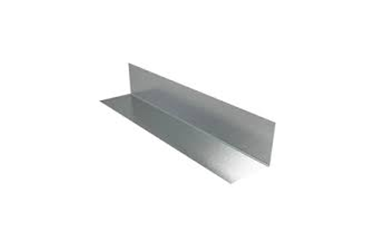
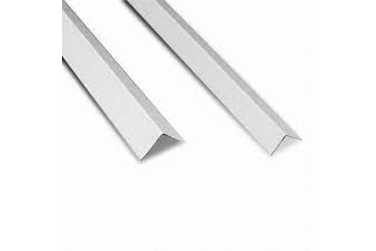
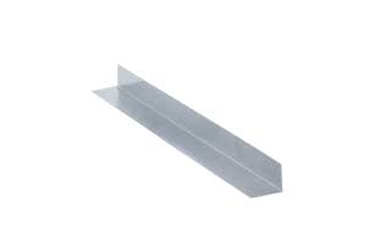
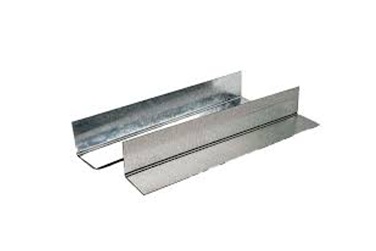
Wall angle, also known as corner protection keel or L-shaped metal groove, gets its name from its unique L-shaped structure. It is a key supporting material used in corner parts in the field of architectural decoration. In various construction projects, whether it is the exquisite decoration of indoor spaces or the stable construction of exterior wall structures, wall angle plays an indispensable role. It is mainly installed at the corners and is responsible for fixing the corner structure, enhancing the corner strength, and providing reliable support for wall decoration materials.

Structural stability: The unique L-shaped design allows it to fit closely to the corner, forming a stable triangular support structure, which effectively enhances the strength and stability of the corner. When the wall is subjected to external forces, the wall angle can evenly disperse the load, avoiding problems such as cracking and deformation at the corner, and ensuring the structural safety of the building.


Easy installation: The design of the keel fully considers the convenience of construction. Its size specifications are standardized, which are compatible with common wall decoration materials and installation tools. During installation, the keel can be fixed at the corner through simple connectors or self-tapping screws, which greatly shortens the construction period and reduces labor costs.


Strong adaptability: Wall angle can be used with a variety of wall decoration materials, such as gypsum boards, cement boards, ceramic tiles, wood, etc. No matter what kind of decoration style and materials are used, a suitable wall angle can be found to match, providing designers with a broad creative space.


Fire resistance: Wall angles made of metal materials such as hot-dip galvanized steel, stainless steel and aluminum alloy are non-combustible materials and have good fire resistance. In case of fire, it can effectively prevent the spread of fire, buy valuable time for personnel evacuation and fire rescue, and meet the requirements of building fire safety standards.

Material

Hot-dip galvanized steel keel: As the most common type, hot-dip galvanized steel keel uses high-quality continuous hot-dip galvanized steel strips as raw materials. Through the high-temperature hot-dip galvanizing process, a uniform and dense zinc layer is formed on the surface of the steel strip, and the weight of the zinc layer per square meter is generally not less than 120g. This zinc layer endows the keel with excellent rust and corrosion resistance, which can effectively resist adverse factors such as humid environments and chemical erosion, greatly extending the service life of the keel, and providing a solid guarantee for the stability of the corner structure during long-term use. At the same time, the high strength of the steel itself enables it to withstand large pressure and tension, providing a reliable bearing foundation for the wall structure.


Specifications

Common specification examples (hot-dip galvanized steel wall angle)

Model Side length (mm) Thickness (mm) Length (m)
LA25×25 25 0.5 – 1.0 2 – 4
LA30×30 30 0.6 – 1.2 2 – 4
LA40×40 40 0.8 – 1.5 2 – 4

Specification range: The side length is generally between 20mm and 50mm, the thickness is usually 0.4mm to 1.5mm, and the conventional lengths are 2m, 3m and 4m. It can also be customized according to actual engineering needs, with the maximum length customizable to 6m or even longer. The specification range of wall angles with different materials and uses may vary slightly.

Application Scenarios

Residential decoration: In home decoration, wall angle is widely used in the corner decoration of living rooms, bedrooms, kitchens, bathrooms and other rooms. It can not only provide stable support for the wall, but also make the corner lines more neat and beautiful, improving the overall quality of the home space. For example, installing wooden wall angle in the bedroom, together with wallpaper or wooden decorative boards, can create a warm and comfortable sleeping environment; using stainless steel or hot-dip galvanized steel keels in kitchens and bathrooms can effectively resist humid environments and ensure the long-term stability of the corners.


Commercial space: Shopping malls, supermarkets, specialty stores, hotels and other commercial places have high requirements for the beauty and safety of the space. Wall angle can be used to fix wall display racks, billboards and other facilities, and provide support for wall decoration. Its solid structure can bear a large weight, meeting the needs of frequent use and personnel flow in commercial spaces. In hotel lobbies, using aluminum alloy wall angle with high-grade stone or glass decorative materials can create a luxurious and grand space atmosphere; in shopping malls, hot-dip galvanized steel keels can ensure the stability of the wall structure during long-term use, and at the same time, cooperate with various commercial decoration styles to show unique space charm.


Latest Product

Check out our Product

View More
pic

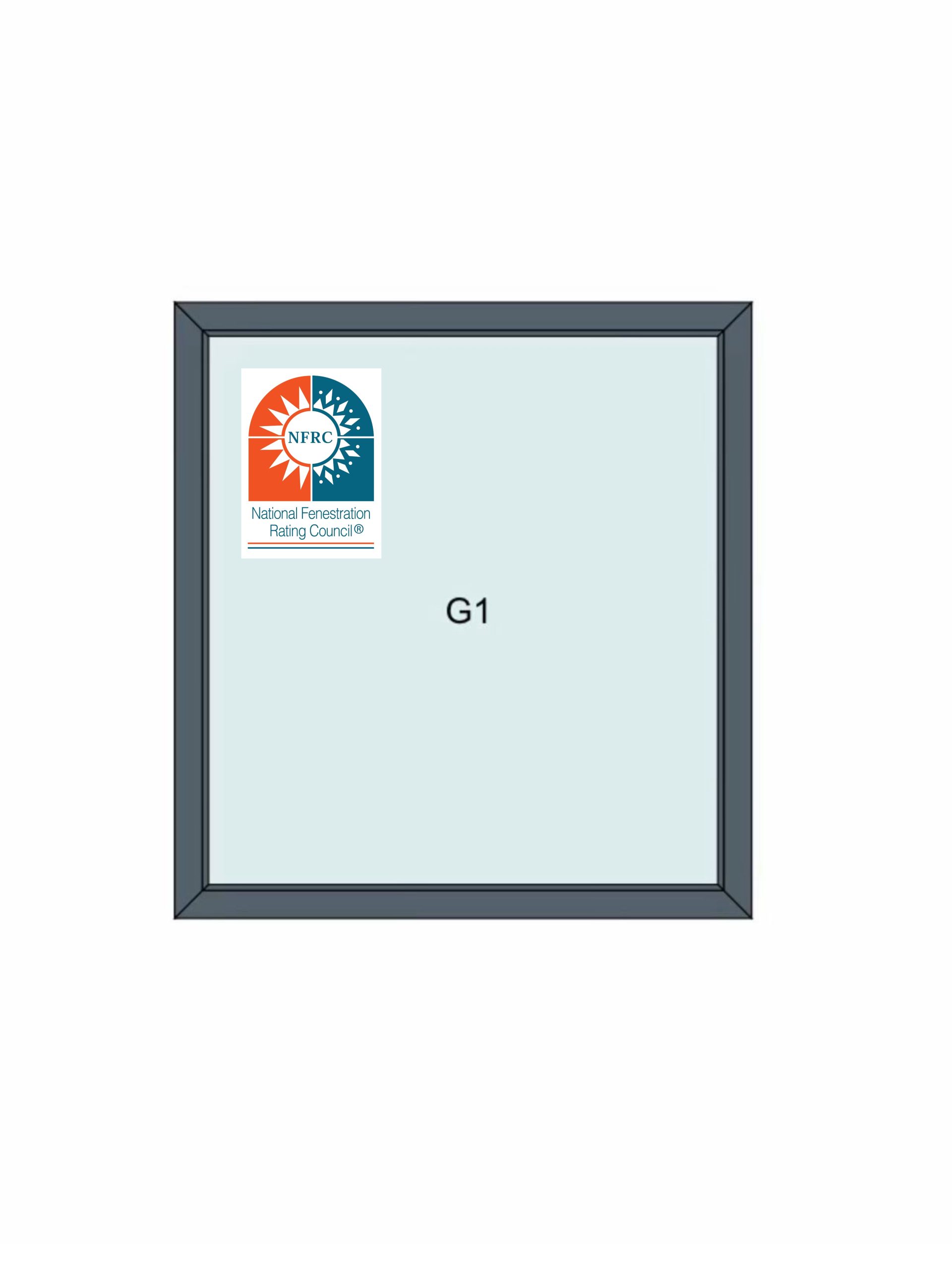
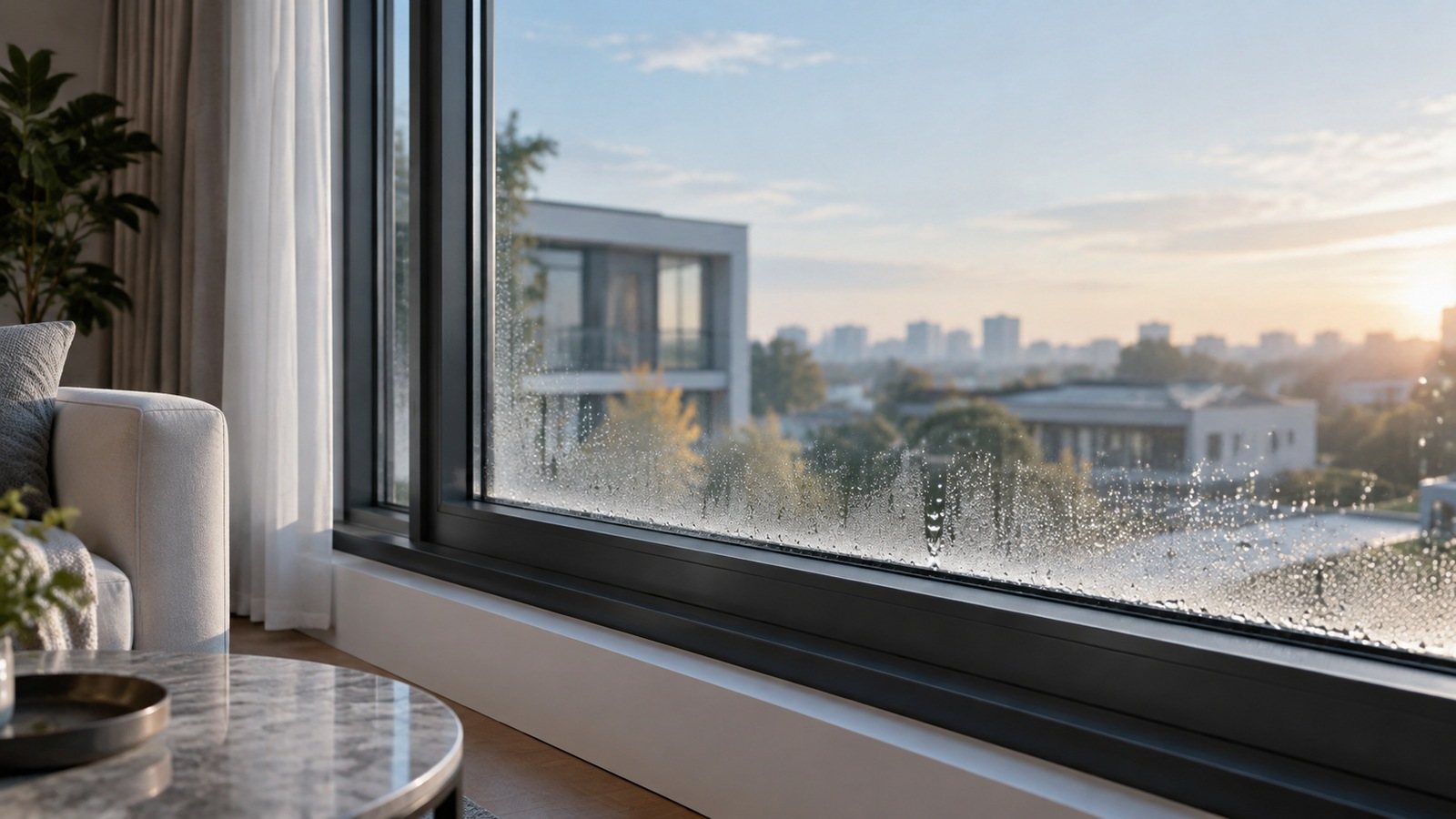
Picture Window

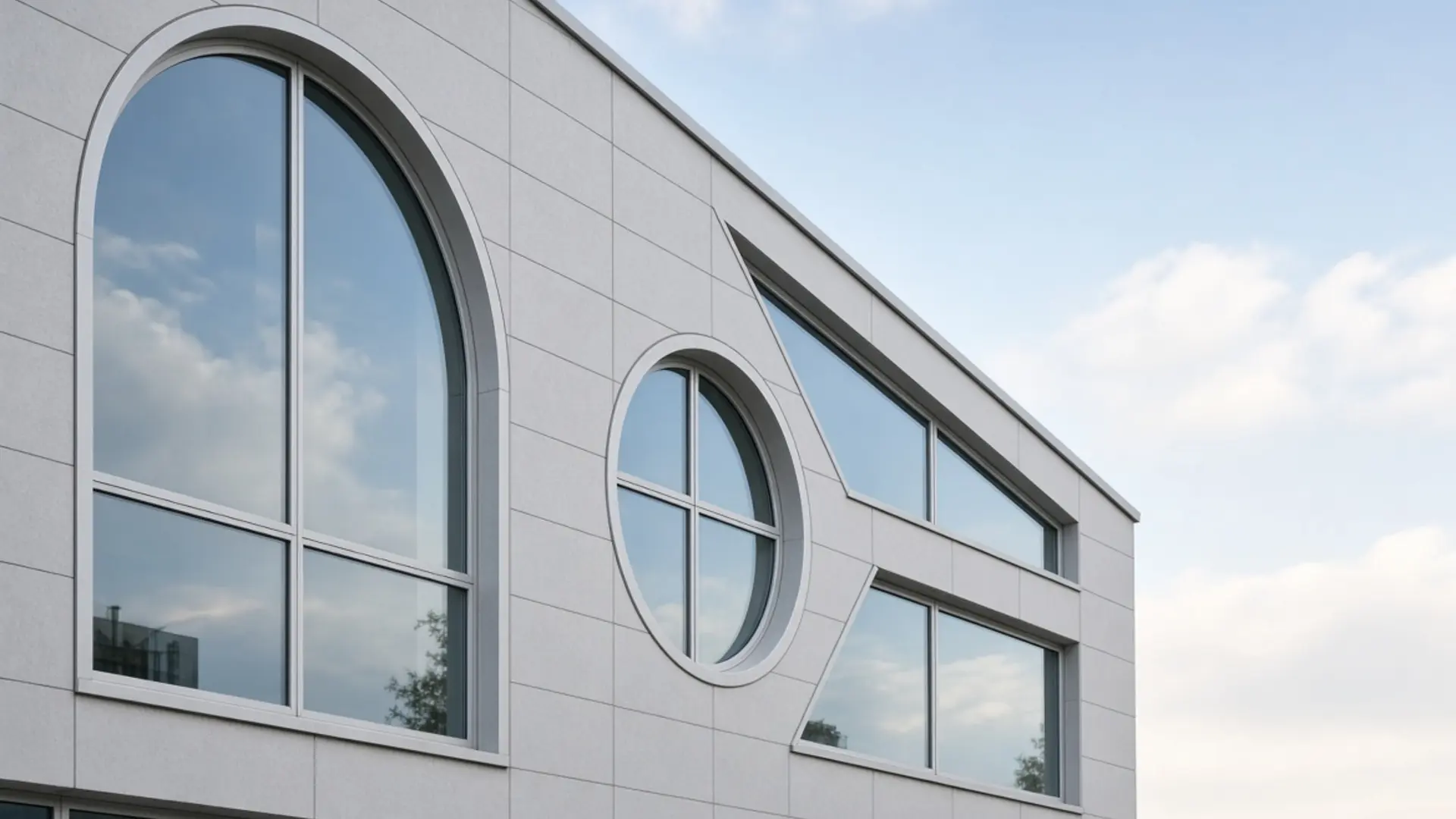
Uninterrupted Views, Maximum Insulation With NFRC certificate, Our Picture Windows feature fixed panels crafted from high-strength thermally broken aluminium profiles with reinforced polyamide nylon strips, ensuring exceptional durability and thermal efficiency. Utilizing precision engineering and multi-chamber structural design, these windows deliver superior stability, load-bearing capacity, and weather resistance. Benefits include excellent sound insulation, thermal retention, windproof performance, and minimal maintenance. Ideal for residential homes, commercial spaces, and public buildings where maximizing natural light and high insulation are priorities.
Read More
casement

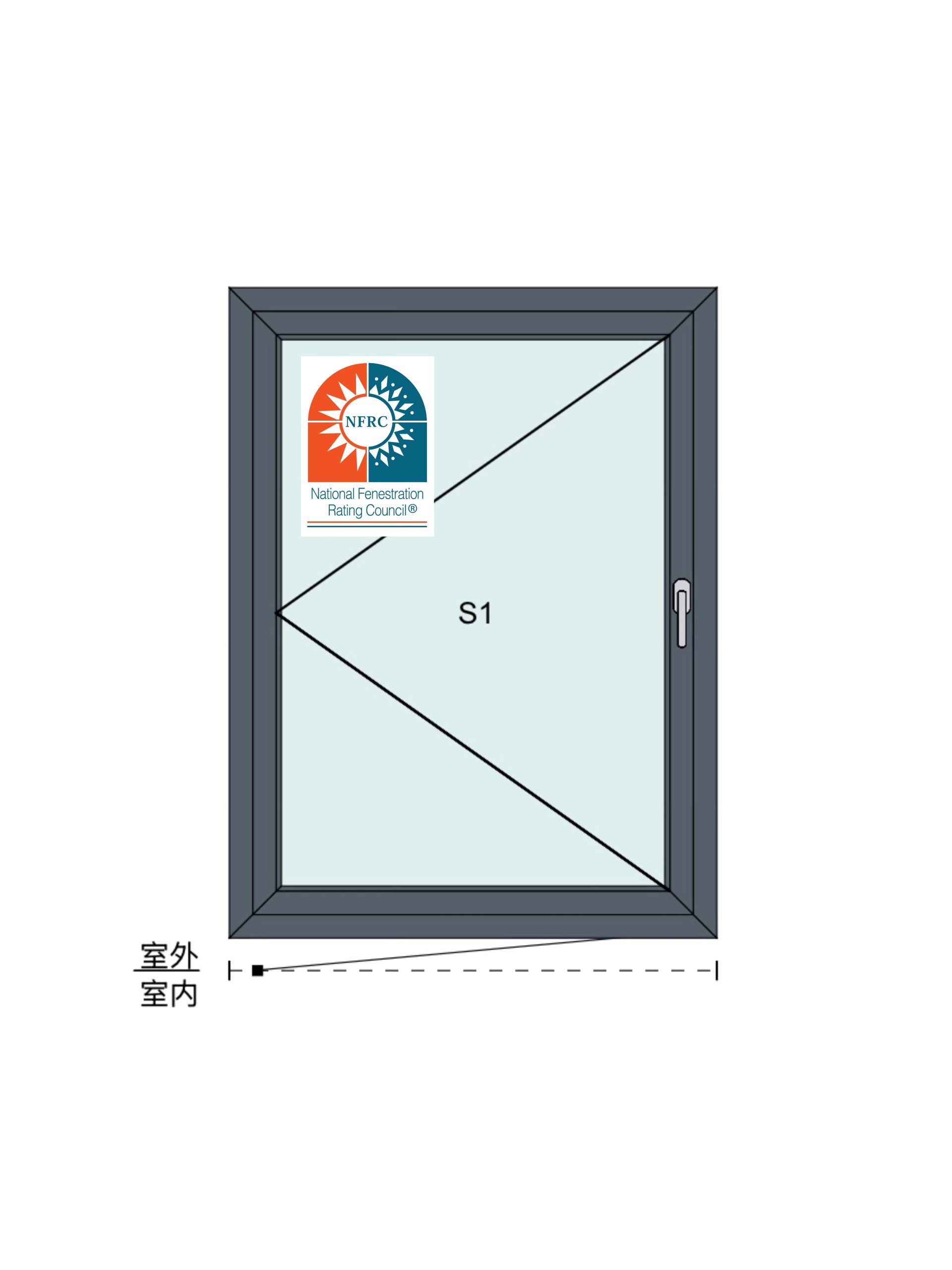
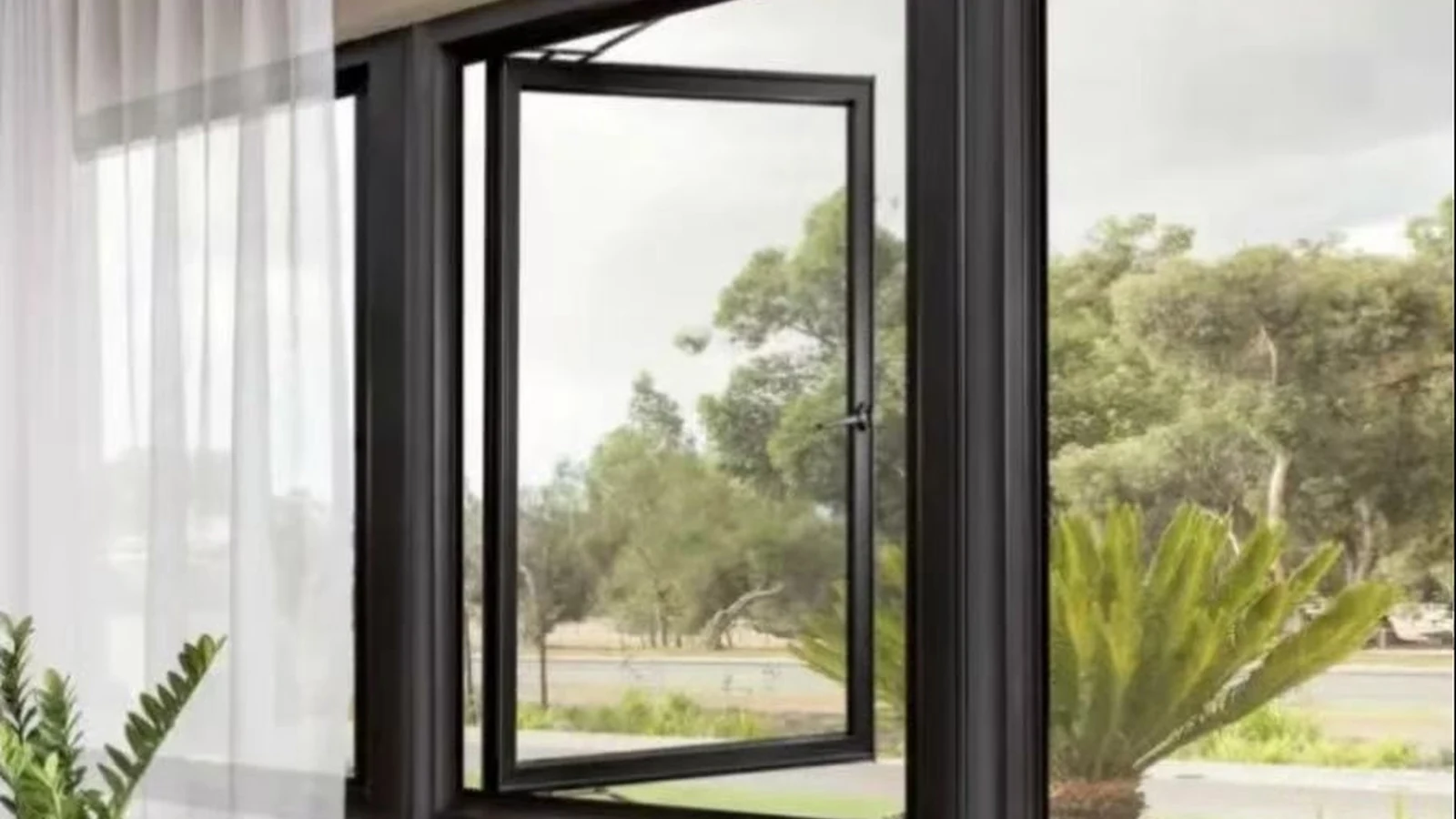
Casement Window

Engineered from thermally broken aluminum profiles with polyamide nylon strips, our casement windows offer reliable side-hinged opening for natural ventilation. Precision-engineered for stability, wind-load resistance, and superior air/water tightness, they deliver excellent thermal and acoustic insulation. Durable, low-maintenance, and ideal for residential and commercial applications requiring both performance and functionality.
Read More
awning

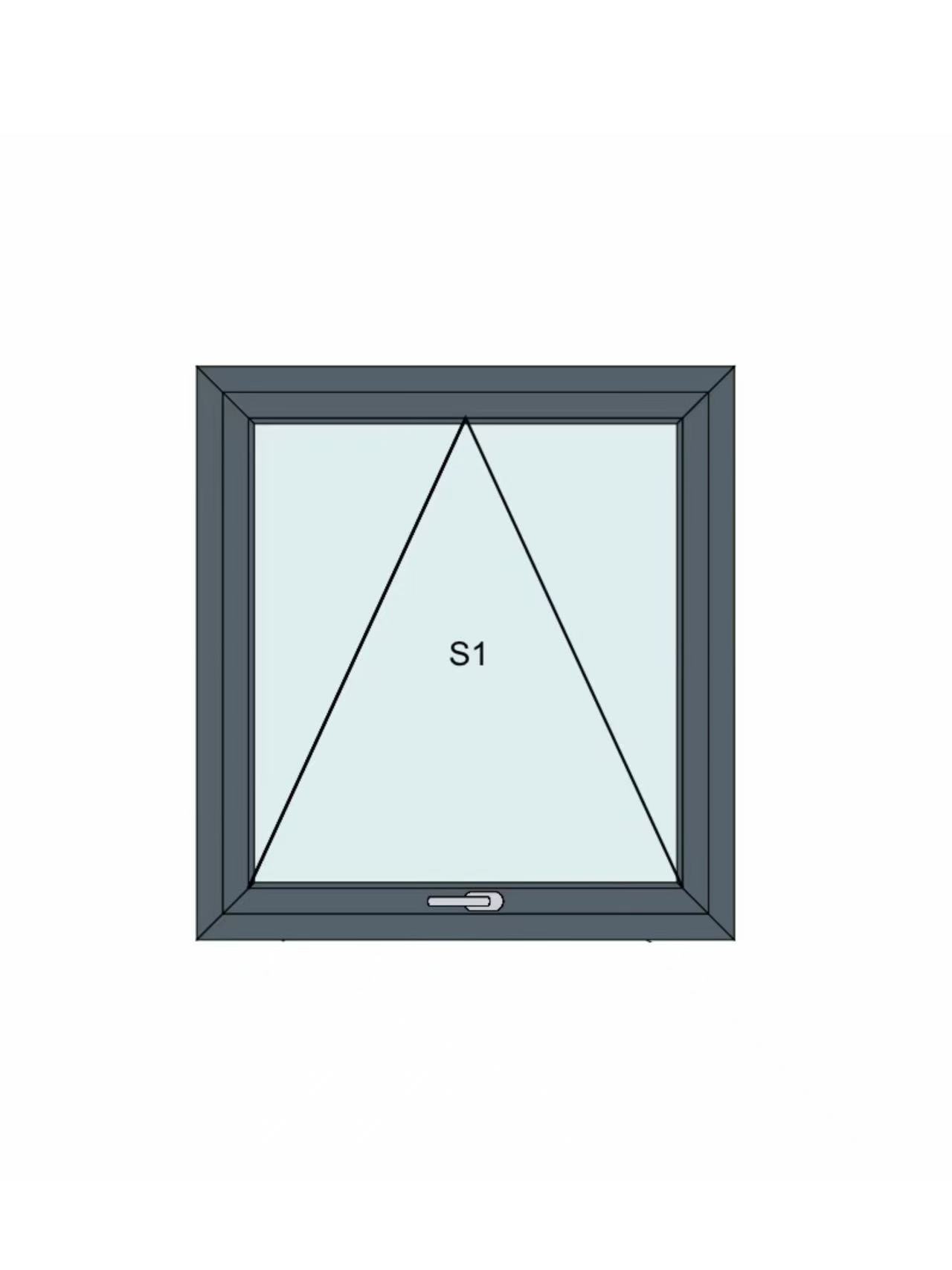
Awning Window

Hinged at the top and opening outward, our awning windows provide efficient airflow even during light rain. Constructed from thermally broken aluminum profiles with polyamide nylon strips, they deliver excellent insulation and durability. The unique design ensures a tight seal when closed, offering superior wind-load resistance and water-tightness. Ideal for bathrooms, kitchens, and commercial spaces where ventilation and weather protection are essential. Low-maintenance, secure, and space-saving.
Read More
sliding

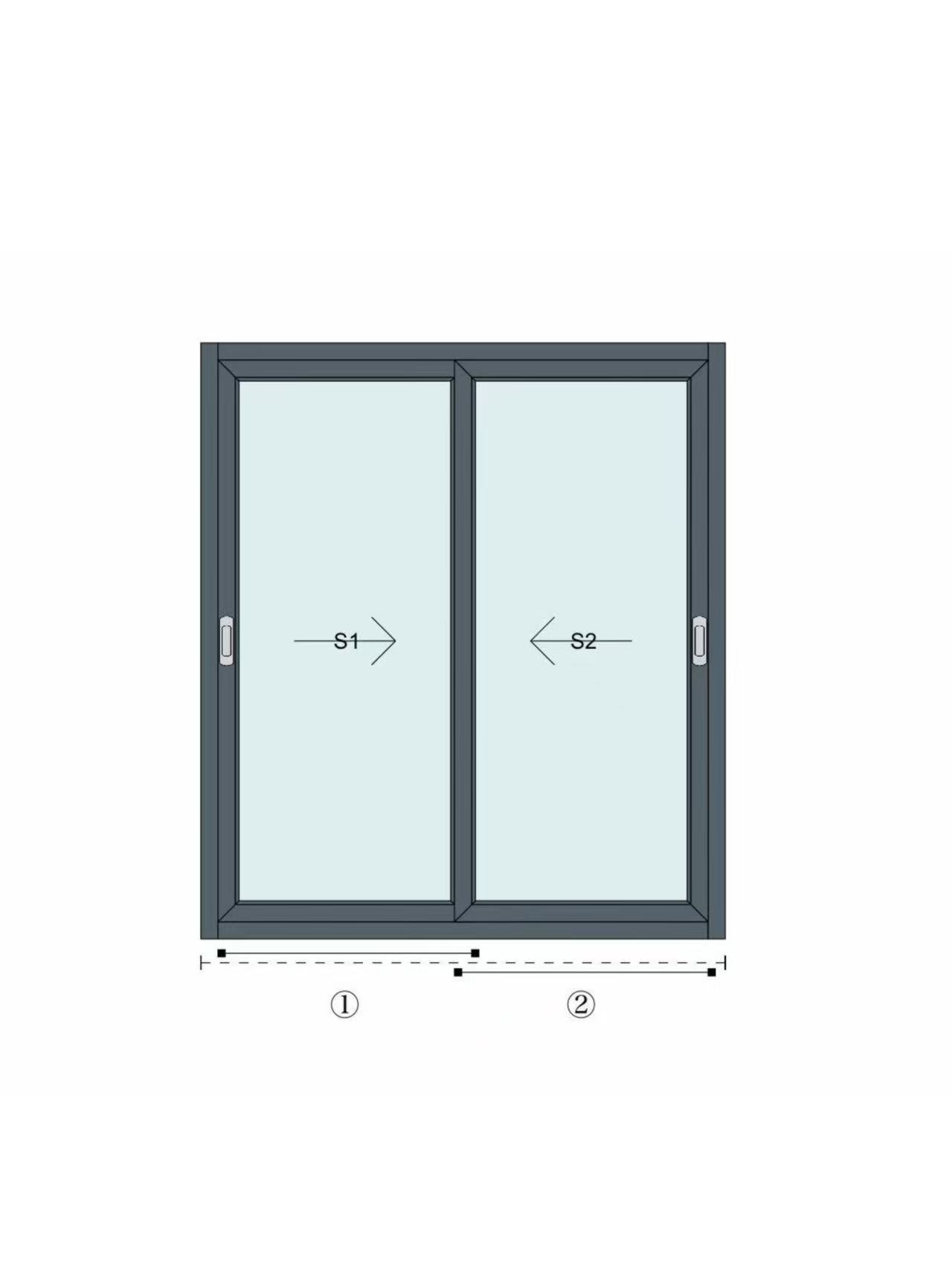
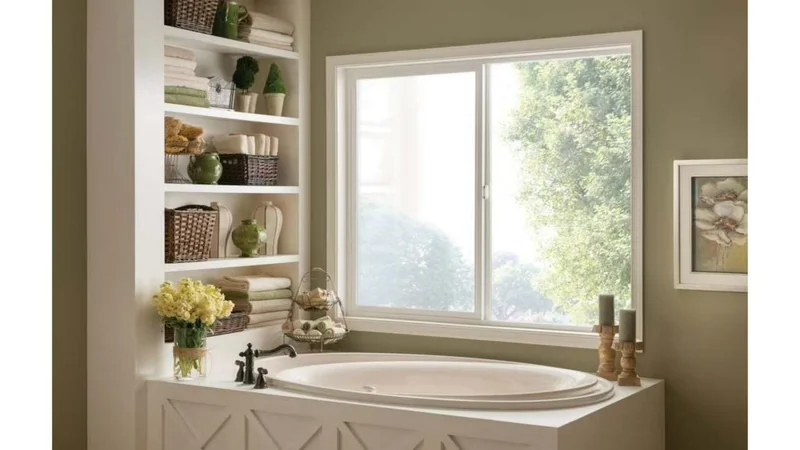
Sliding Window

Sliding Windows feature a horizontal rolling mechanism with sashes that glide effortlessly along precision-engineered tracks. Constructed from thermally broken aluminum profiles with polyamide nylon strips, they deliver excellent thermal insulation, durability, and weather resistance. The space-saving design requires no exterior or interior clearance, making them ideal for tight areas. Perfect for residential homes, apartments, and commercial buildings seeking reliable performance, easy operation, and modern aesthetics with minimal maintenance.
Read More
Latest News

Check out our blog posts

View More

13/ July

Aluminum Awning Window Buying Guide for Commercial Buildings and Rainy Climates

Guide to aluminum awning window selection for commercial buildings, covering rain ventilation, thermal performance, sealing, hardware and project checks.
Read More
Aluminum Awning Window Buying Guide for Commercial Buildings and Rainy Climates

6/ July

What Buyers Should Confirm in an Aluminum Window Schedule Before Commercial Project Production

Yuxinyuntong explains what buyers should confirm in an aluminum window schedule before producing commercial aluminum windows.
Read More
What Buyers Should Confirm in an Aluminum Window Schedule Before Commercial Project Production

1/ July

Track Keel vs Stud Keel: How to Choose the Right Metal Keel for Interior Systems

Yuxinyuntong compares track keel and stud keel for metal keel systems, covering U-track roles, vertical support, fit checks, and ordering tips.
Read More
Track Keel vs Stud Keel How to Choose the Right Metal Keel for Interior Systems

22/ June

How to Choose Aluminum Casement Doors for Balcony Access in Modern Apartments

Choose aluminum casement doors for apartment balcony access with tips on sealing, glass, thermal break frames, hardware, and project fit.
Read More
How to Choose Aluminum Casement Doors for Balcony Access in Modern Apartments

15/ June

Light Steel Keel Specification Checklist for Commercial Ceiling and Partition Projects

Yuxinyuntong guide for light steel keel selection, covering stud size, track match, surface treatment, board fit, and bulk order checks.
Read More
Light Steel Keel Specification Checklist for Commercial Ceiling and Partition Projects

8/ June

Air Tightness, Water Tightness, and Wind Load Resistance in Window and Door Procurement

Yuxinyuntong explains air tightness, water tightness and wind load resistance checks for aluminum windows and doors before project ordering.
Read More
Air Tightness, Water Tightness, and Wind Load Resistance in Window and Door Procurement

Our Partner

A-Our Brand 1
A-Our Brand 2
A-Our Brand 3
A-Our Brand 4
A-Our Brand 5
A-Our Brand 6
Home
WhatsApp
Email
Contacts