W e l c o m e t o Y u x i n y u n t o n g

Loading

Nullam dignissim, ante scelerisque the is euismod fermentum odio sem semper the is erat, a feugiat leo urna eget eros. Duis Aenean a imperdiet risus.
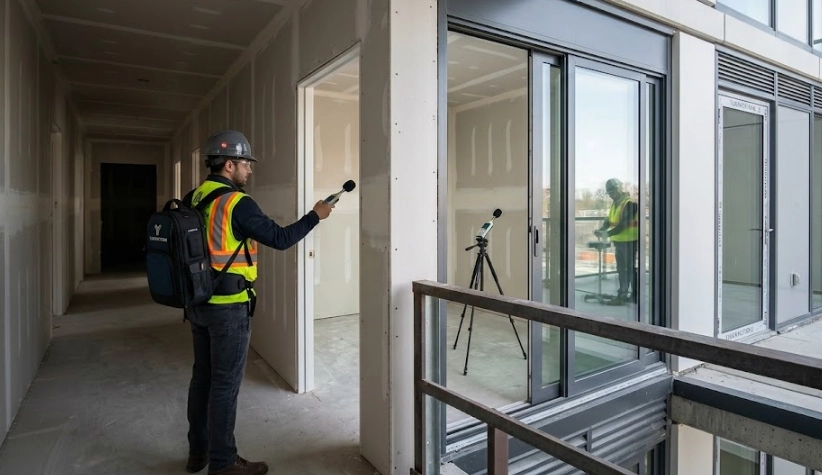
Why Does Laboratory STC Fail on the Job Site? A Guide to Field Acoustic Testing for North American Projects

Why Does Laboratory STC Fail on the Job Site? A Guide to Field Acoustic Testing for North American Projects

Table of Contents

    Why Does Laboratory STC Fail on the Job Site A Guide to Field Acoustic Testing for North American Projects

    At Yuxinyuntong, we understand that modern architecture demands more than just aesthetic brilliance and structural integrity; it requires a profound commitment to environmental comfort. Over the past decade, building standards across North America have undergone a massive paradigm shift. While historical metrics prioritized lighting, thermal airtightness, and water tightness, the industry has aggressively pivoted: “Acoustic Performance” is no longer a luxury—it is a mandatory acceptance criterion.

    As a premier manufacturer of advanced architectural fenestration, we believe that true acoustic excellence requires transparent laboratory baselines coupled with rigorous field verification. This guide outlines the North American acoustic testing landscape, utilizing our latest proprietary test data to explain how we bridge the gap between the lab and the real world.

    The Necessity of Field Testing: In-Situ vs. Laboratory Realities

    To understand the North American acoustic testing landscape, one must first recognize the “Ideal Laboratory Fallacy.” In an acoustic testing laboratory, conditions are meticulously controlled. While laboratory testing (such as ASTM E90-23) is essential for establishing baseline material data, it creates a false sense of security if not properly contextualized.

    The real world is far less forgiving. Field testing is an absolute necessity because it accounts for the complex variables and construction defects that inevitably occur on-site. Even a premium window that tests well in the lab can underperform if the surrounding architecture is flawed. Field testing uncovers realities such as:

    • Inadequate Wall Joint Treatments: Poorly mudded drywall joints or unsealed stud connections.
    • “Acoustic Leaks”: Micro-gaps via poorly fitted frames and perimeter caulking. Sound behaves like water; it will exploit the path of least resistance.
    • Flanking Paths: Sound transmitting through shared ceiling plenums or rigid structural connections rather than through the primary barrier.

    At Yuxinyuntong, we design our products anticipating these real-world challenges, ensuring our systems maintain their laboratory integrity when exposed to the chaotic variables of a live construction site.

    Determinants of Spatial Acoustic Comfort

    Achieving true acoustic comfort is a holistic, systemic result of several interacting determinants:

    • Source Strength: The decibel level, frequency spectrum, and proximity to external noise sources (highway traffic vs. human speech).
    • Structural Sound Insulation: The inherent acoustic rating of the building materials and fenestration systems (STC and OITC ratings).
    • Architectural Sound Bridges: The presence of flanking paths that allow acoustic energy to bypass the window or wall.
    • Background Noise Masking: Continuous ambient sound levels (like HVAC systems) that mask intrusive noises and provide speech privacy.
    • Subjective Sensitivity: Human physiological tolerance levels. Specific frequency bands can trigger severe occupant complaints even if the overall decibel level is low.

    Classification of Field Acoustic Tests

    Based on extensive field testing experience, the North American standard dictates a rigid categorization of tests under ASTM and ANSI protocols. The most critical include:
    • ASTM E966 (OINR): Field measurement of facade transmission loss, heavily utilizing exterior curtain walls and windows against traffic noise.
    • ASTM E336 (NIC/ASTC): Airborne sound insulation of interior partitions between adjacent rooms.
    • ASTM E1007 (AIIC): Apparent Impact sound insulation of floor/ceiling assemblies.
    • ASTM E1503 & E1780: Site environmental noise monitoring and external noise emission compliance.

    Key Tests for Fenestration: The Yuxinyuntong Data-Driven Solution


    Casement Window

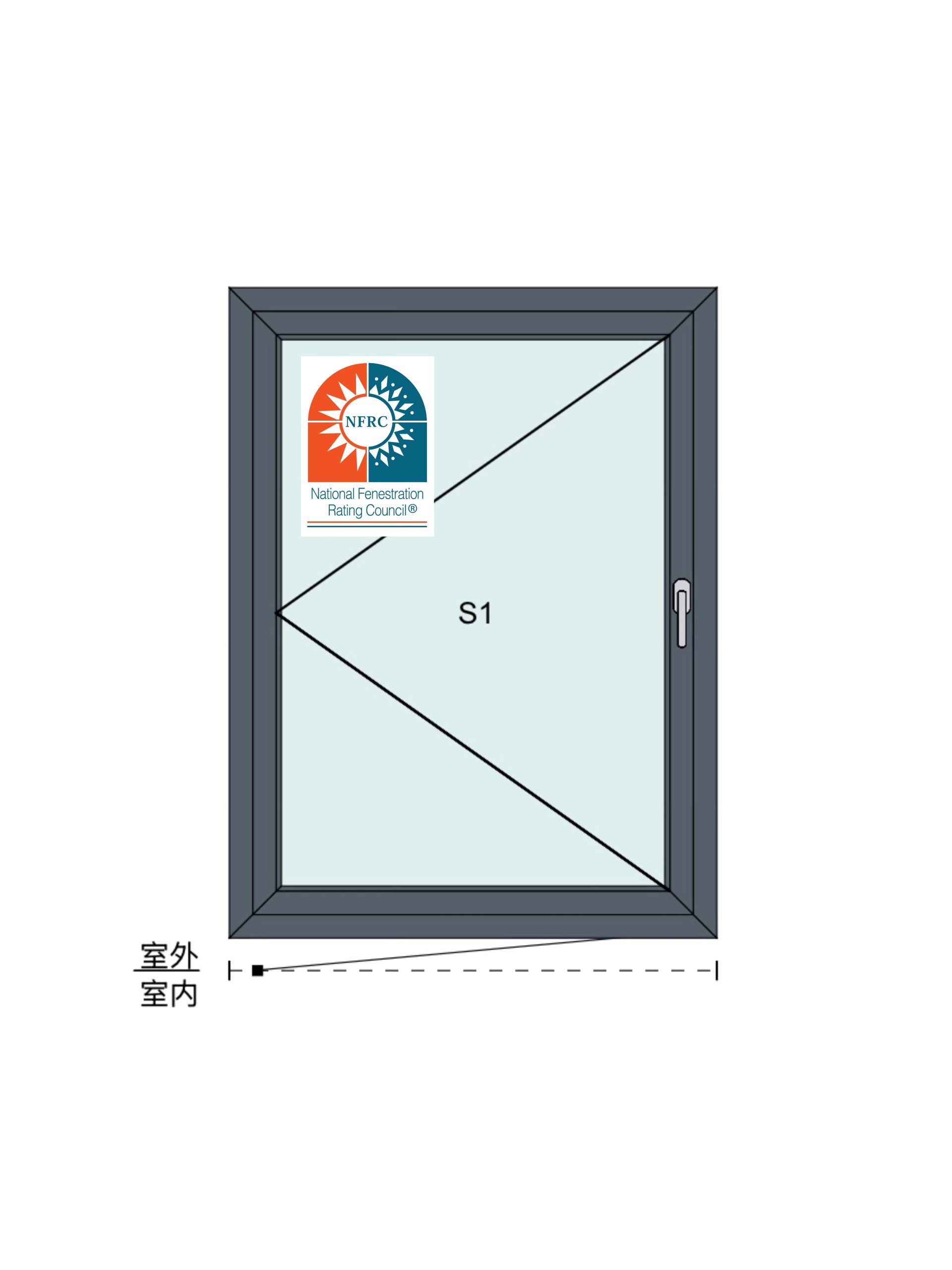
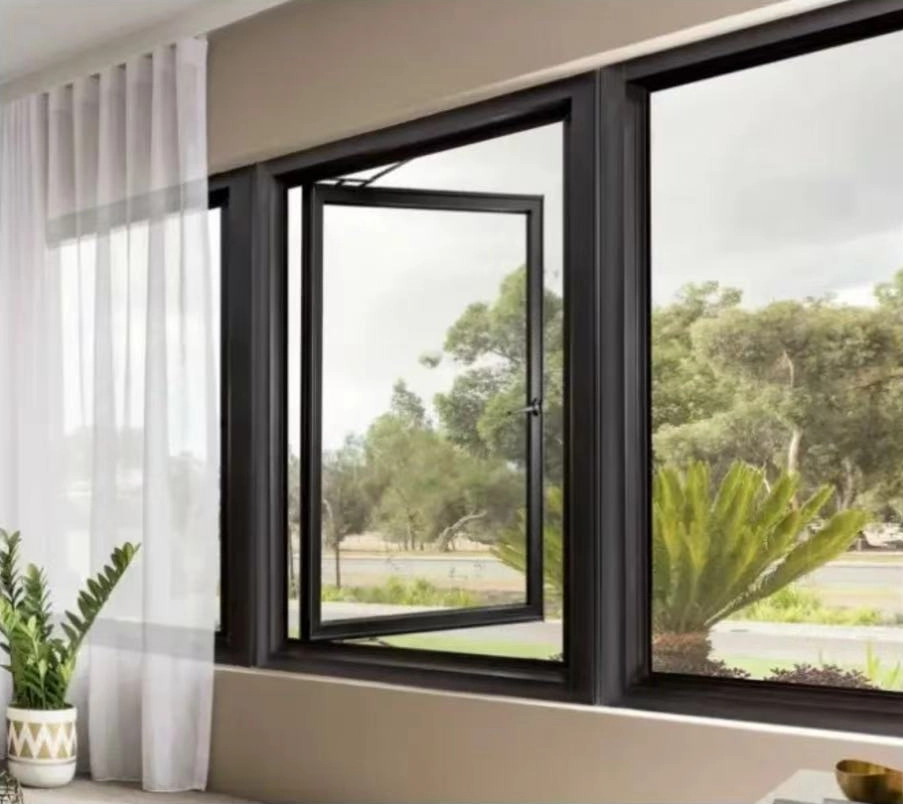
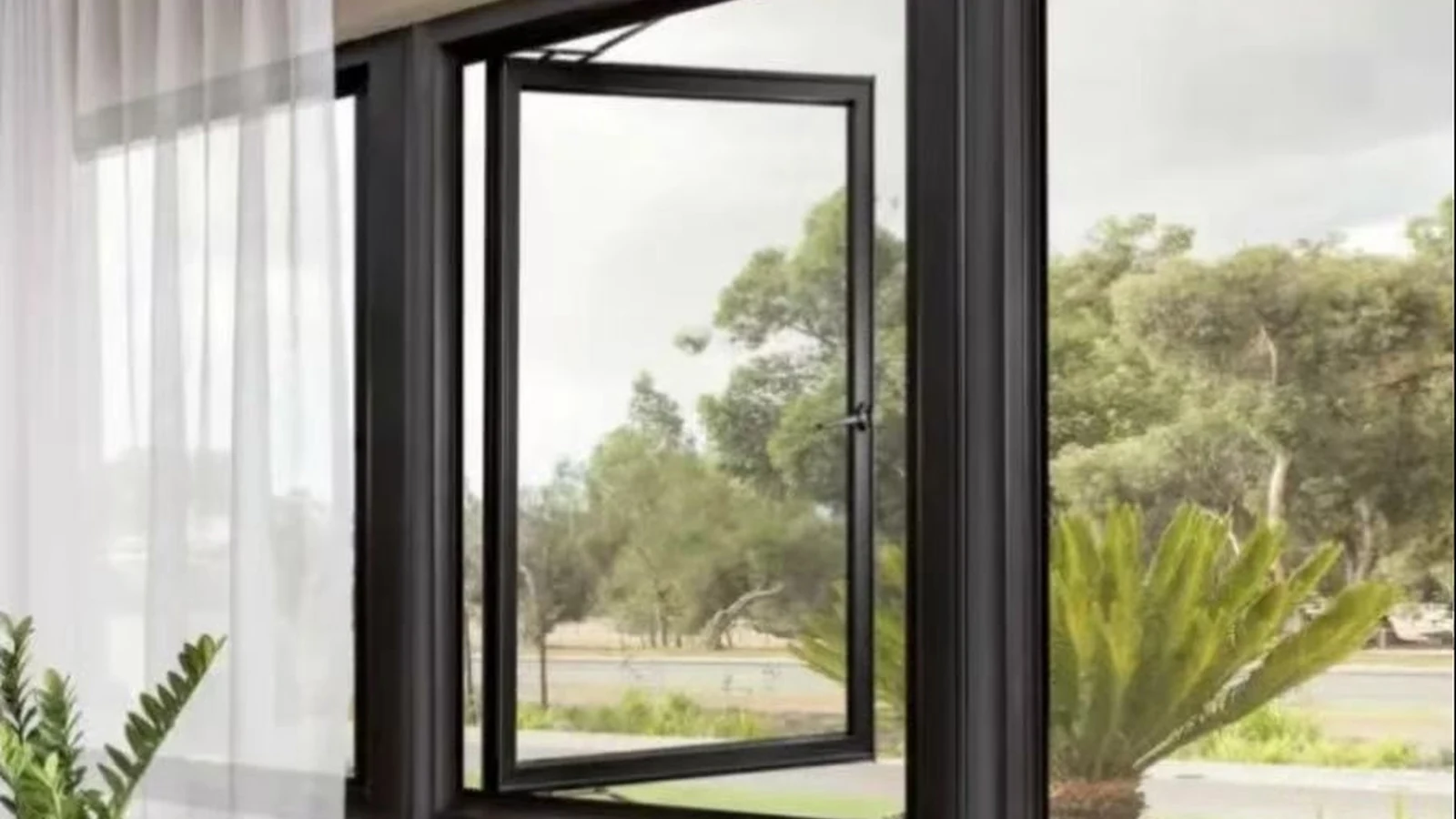
    For manufacturers of windows, building envelope tests are the true proving grounds where engineered solutions shine. Our Casement Windows are constructed from high-grade thermally broken aluminum profiles with reinforced polyamide nylon strips to deliver exceptional insulation and stability.

    1. Airborne Insulation: From Lab STC 44 to Field NIC

    In controlled labs, our system achieved an STC 44, blocking mid-to-high frequency noises like speech.

    • The Field Reality: Field NIC (Noise Isolation Class) is typically 3–7 dB lower than lab STC.
    • Our Mitigation: We utilize a multi-point locking system to ensure the window sash is pulled tight against the frame, eliminating air gaps. Combined with precision EPDM foam sealing, we ensure field performance remains stable between NIC 37-41.

    2. Defeating External Traffic Noise (OITC 37)

    For urban projects, OITC is critical for low-frequency rumble like trucks. Our casement windows achieve an OITC 37.

    • Energy Efficiency: Our “Broken Bridge” technology uses polyamide nylon strips to minimize heat transfer, aligning with NFRC requirements for energy performance while solving noise issues.

    3. Frequency Transmission Loss (TL) Analysis & The Coincidence Effect

    True engineering analyzes specific frequency curves:

    • Low-Frequency (100-200 Hz): Maintains strong TL (25.6 dB to 36.1 dB) to buffer structural vibrations.
    • High-Frequency (4000-5000 Hz): Peaks at 52.9 dB of reduction, eliminating sharp environmental noises.
    • Addressing the 1600 Hz Deficiency: We acknowledge a performance dip at 1600 Hz (TL 44.1 dB) caused by the Coincidence Effect, where sound passes through glass more easily due to resonance.
    • Design Optimization: To eliminate this, we recommend upgrading to an Asymmetrical Insulated Glass Unit (IGU) (e.g., 8mm paired with 6mm) or Laminated Glass with a PVB interlayer to disrupt resonance and flatten the acoustic curve.

    Engineering Candor: Addressing the 1600 Hz Deficiency

    Transparency is our core value. The laboratory data curve revealed a specific performance dip (Deficiency) at the 1600 Hz frequency, where the TL dropped to 44.1 dB. In acoustics, this is known as the Coincidence Effect—a physical phenomenon where the wavelength of the sound in the air matches the bending wave velocity of the glass panel, allowing sound to temporarily pass through more easily.

    Our Design Optimization: Because we possess this granular data, we can customize solutions for noise-sensitive clients. To eliminate this specific 1600 Hz wave trough, we recommend adjusting the insulated glass unit (IGU). By utilizing asymmetrical glass thicknesses (e.g., an 8mm pane paired with a 6mm pane) or introducing laminated glass with a 0.76mm PVB sound-dampening interlayer, we can disrupt the resonance frequency, flatten the acoustic curve, and eliminate the Coincidence Effect for bespoke projects.

    Strategic Timeline for Testing

    Achieving target field acoustic ratings requires a proactive timeline:

    • Schematic Design: Conduct environmental noise surveys to determine whether your facade requires our standard STC 44 setup or the PVB-enhanced asymmetrical glazing.
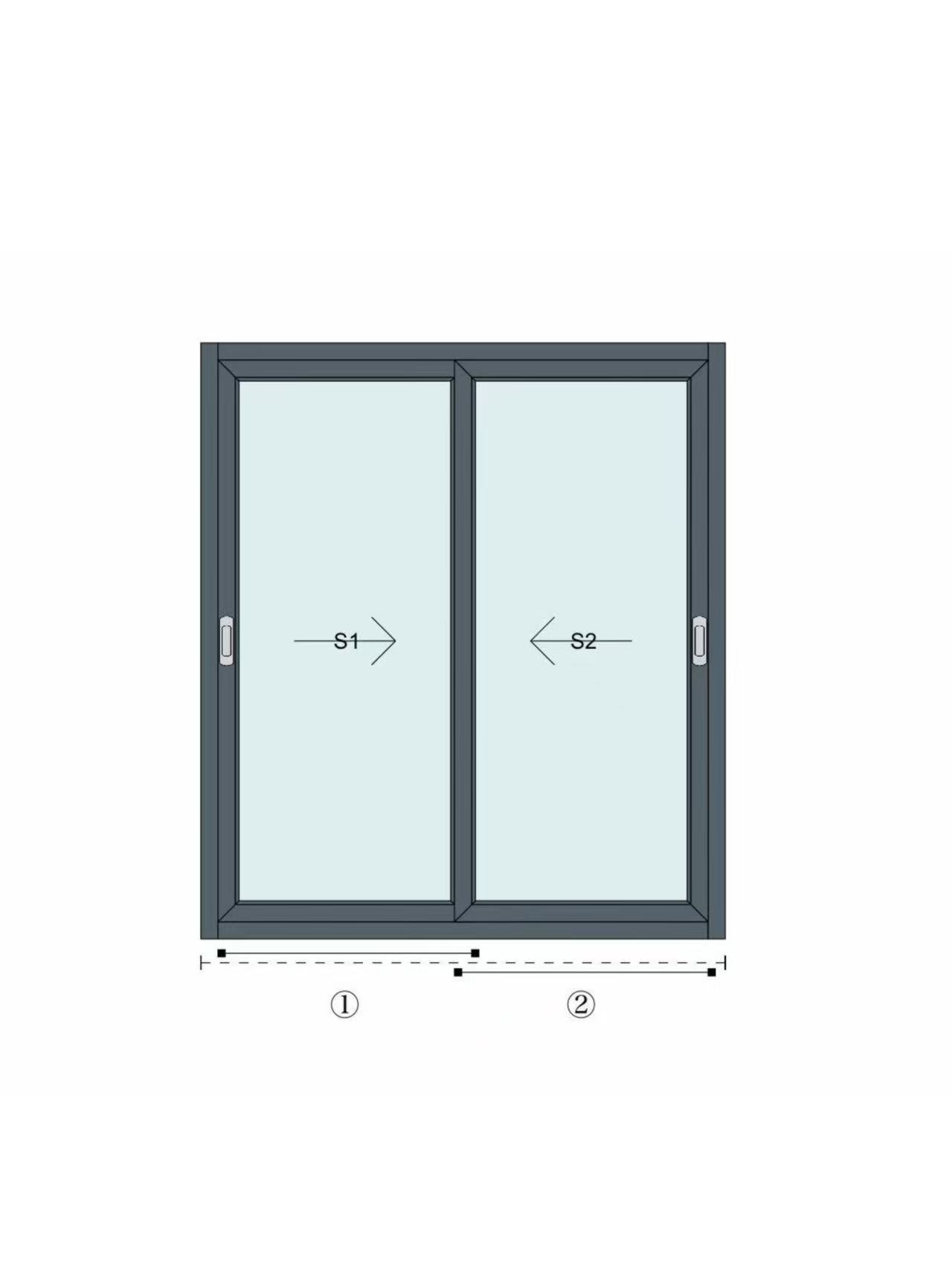
    • Mock-up Phase: Erect a physical field mock-up. We highly recommend testing our sliding doors in situ during this phase to prove their sealing and structural integrity.
    • Pre-delivery: Conduct spot-checking and verification testing for project filing.
    • Post-occupancy: Utilize forensic acoustic cameras to pinpoint any specific construction leaks or flanking paths in the surrounding drywall after the building is populated.

    The Yuxinyuntong Best Practice Directive

    When drafting construction documents, architects and specifiers must explicitly state Field Standards (NIC, OINR, AIIC) as the benchmark for acceptance, rather than solely relying on Laboratory values (STC/OITC).

    At Yuxinyuntong, we don’t just build doors; we engineer environments. By integrating aerospace-grade sealing technologies, robust broken bridge aluminum structures, and acting on granular laboratory frequency data, our High-Performance Three-Track Sliding Doors are designed to provide unparalleled, field-verified acoustic serenity. When you specify Yuxinyuntong, you specify measurable, transparent, and lasting tranquility.

    Would you like us to review your project’s acoustic specifications or provide a custom STC/OITC glazing analysis? Contact us today.

    FAQ

    Q: Why does my window have a laboratory rating of STC 44, but the field test results during handover fail to meet this standard?

    A: This is known as the “Laboratory Fallacy.” Laboratory environments (per ASTM E90) are near-perfect, controlled spaces that eliminate all air leakage and flanking noise. In a real-world job site, improper wall joint treatments, microscopic gaps in perimeter sealing, or “Flanking Paths” through ceiling plenums can cause performance degradation. Typically, the actual field measurement (NIC) is 3 to 7 points lower than the lab value. We mitigate this through our multi-point hardware locking and high-elasticity EPDM sealing systems, minimizing this “field-to-lab gap” to ensure stable delivery performance.

    Q: For urban projects near highways or railways, should I prioritize the STC or OITC rating?

    A: You should prioritize the OITC (Outdoor-Indoor Transmission Class). While STC primarily measures mid-to-high frequency noises like speech and television, OITC is specifically designed to measure the attenuation of low-frequency urban traffic noise (such as truck rumbles and rail friction). For example, our three-track sliding door achieved an OITC 37, representing its true defensive power against low-frequency urban pressure. Additionally, our products align with NFRC requirements, ensuring that while solving noise issues, we maintain industry-leading thermal efficiency through our “Broken Bridge” technology.

    Q: Does the “Coincidence Effect” dip at 1600 Hz mentioned in the report affect the actual living experience? How can it be optimized?

    A: The performance dip at 1600 Hz (where our system measured a TL of 44.1 dB) is caused by the physical resonance of the glass. In certain scenarios, sounds at this specific frequency may penetrate more easily. For clients requiring extreme silence, we recommend upgrading the standard Insulated Glass Unit (IGU) to Asymmetric Glass or Laminated Glass. The PVB/EVA interlayer in laminated glass acts as a dampener that absorbs vibration energy and breaks the resonance point, “filling in” this frequency trough and providing a more linear, comprehensive quiet experience.
    Tags:

    Leave a comments

    FAQ

    We supply aluminum windows and doors, aluminium/glass louver, aluminium clad wood windows, curtain wall, etc.
    50% of total amount by T/T as deposit and balance before delivery.
    Keep the receipt of purchase and contact customer service if you have any questions. We will respond within 24 hours. If the model is wrong and the accessories are intact, we will exchange it for free (we will bear the shipping cost if it is not your fault).
    Latest Product

    Check out our Product

    View More
    High-Performance Broken Bridge Aluminum Three-Track Sliding Door

    High-Performance Broken Bridge Aluminum Three-Track Sliding Door

    Adopts high-performance engineering profiles and reinforced composite material system, equipped with high-strength glass fiber thermal insulation strips, combined with pressure extrusion molding process, featuring excellent strength. It is matched with various glass types, and has excellent heat insulation, sealing and anti-theft performance, suitable for spaces with high quality requirements.
    Read More
    High-Performance Broken Bridge Aluminum Three-Track Sliding Door

    Energy-Saving Broken Bridge Aluminum Two-Track Sliding Door

    Based on high-performance broken bridge aluminum profiles, equipped with energy-saving configurations such as Low-e coated glass, combined with efficient thermal insulation strips and sealing systems, it can effectively reduce heat transfer. The multi-point locking system ensures safety, suitable for residential or office spaces focusing on energy conservation and comfort.
    Read More
    special

    Special Shape Window

    Special Shape Windows: Custom Solutions for Distinctive Architecture Special shape windows are custom-engineered to transform unique architectural visions into reality. Crafted for projects featuring arches, circles, triangles, or trapezoids, these windows seamlessly blend striking aesthetics with high performance. Utilizing advanced fabrication techniques and adaptable profiles, they accommodate non-standard geometries while ensuring structural integrity and a precision fit. Despite their complex forms, they deliver excellent thermal insulation, weather tightness, and durability. Ideal for adding a signature design element to any residential or commercial space, special shape windows prove that exceptional form need not compromise essential function.
    Read More
    c4

    Casement Window

    Engineered from thermally broken aluminum profiles with polyamide nylon strips, our casement windows offer reliable side-hinged opening for natural ventilation. Precision-engineered for stability, wind-load resistance, and superior air/water tightness, they deliver excellent thermal and acoustic insulation. Durable, low-maintenance, and ideal for residential and commercial applications requiring both performance and functionality.
    Read More

    Our Partner

    A-Our Brand 1
    A-Our Brand 2
    A-Our Brand 3
    A-Our Brand 4
    A-Our Brand 5
    A-Our Brand 6
    Home
    WhatsApp
    Email
    Contacts