
Nullam dignissim, ante scelerisque the is euismod fermentum odio sem semper the is erat, a feugiat leo urna eget eros. Duis Aenean a imperdiet risus.
Nullam dignissim, ante scelerisque the is euismod fermentum odio sem semper the is erat, a feugiat leo urna eget eros. Duis Aenean a imperdiet risus.
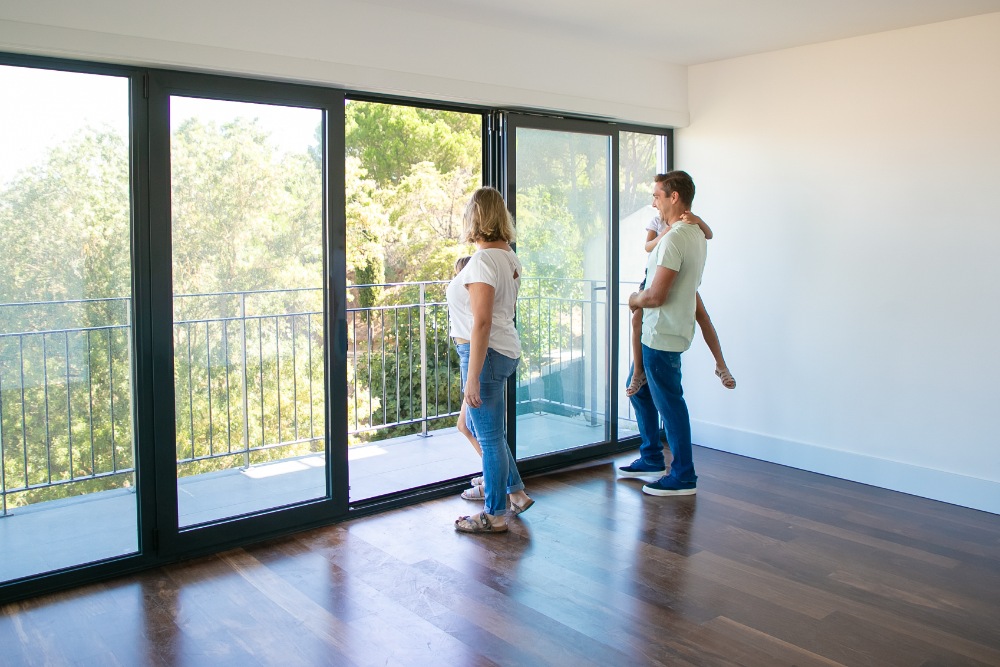
As the construction industry gets close to the goals set for 2026, the world’s focus on carbon neutrality and building energy efficiency has hit a record level. Traditional fenestration systems often cause major heat loss in current buildings. Now, they are getting replaced by better technologies that focus on lasting sustainability. In this shifting environment, architects and developers deal with the constant task of combining wide glass designs with firm energy-saving rules. We at Yuxinyuntong see these industry issues clearly. We have set up a skilled company committed to research, development, and global supply of advanced door and window systems. By aiming at precise techniques and sustainable progress, we deliver solutions that lower energy use. They also improve safety and comfort in living spaces.
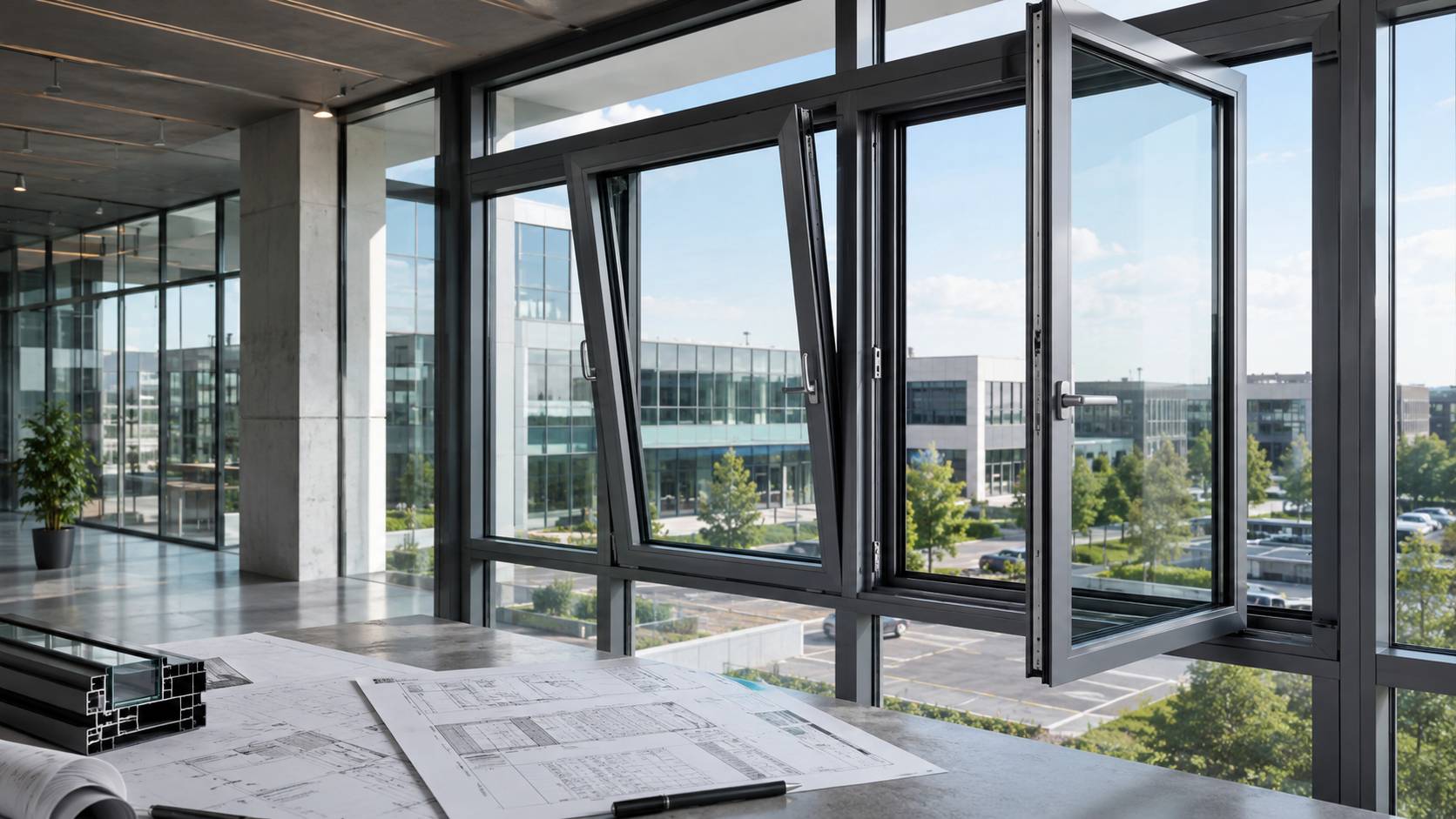
The main barrier in standard aluminum door design is the inherent heat conduction of the metal. Aluminum conducts heat very well. This frequently results in the “thermal bridge” effect. Here, heat moves fast between indoor and outdoor settings. To fix this problem, the industry has embraced “broken bridge” or thermal-break technology. This includes adding a sturdy polyamide 66 (PA66) insulation strip right into the core of the aluminum profile. This barrier does not conduct heat. It stops the flow of warmth effectively. Thus, it delivers strong thermal insulation. And this is vital for today’s energy-saving guidelines.
The solid build of a door system matters just as much as its insulation. High-performance profiles usually come from 6063-T5 aluminum alloy. This material is popular because it is light, tough, and highly resistant to corrosion. This alloy enables the making of narrow but firm frames. They can hold big glass panels without harming safety. Moreover, using pressure extrusion molding methods boosts the mechanical traits and overall strength of the frames. So, they can resist strong winds and regular opening and closing.
In 2026, visual appeal and lasting quality need to work together. Modern profiles receive special surface treatments. These include electrophoresis, electrostatic spraying, and anodizing. Such processes offer solid protection against oxidation. Therefore, the doors fit well in varied climates. They handle damp coastal zones as well as sharp temperature shifts in northern areas. These treatments also enable a broad selection of appearance options. Choices range from wood grain patterns for classic houses to very slim, basic frames for modern, upscale homes.
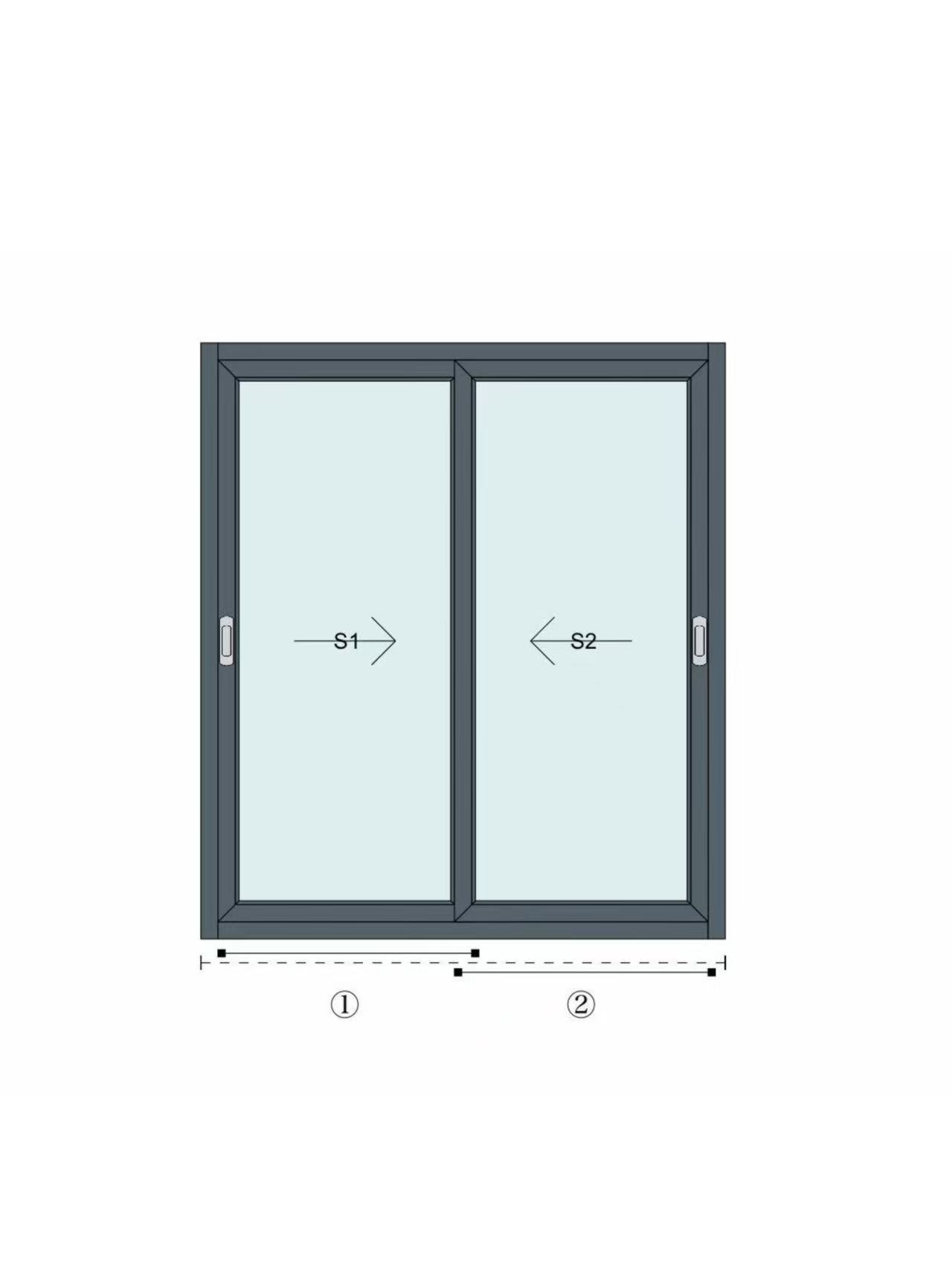
The selection of an opening style greatly affects space use and the door’s mechanical lifespan. A two-track sliding system includes at least two sashes. These are usually a mix of fixed and movable panels. They slide sideways on carefully designed rails. This setup proves especially useful for wide openings. In such cases, swinging doors do not work well. They require space for the door panel to swing open.
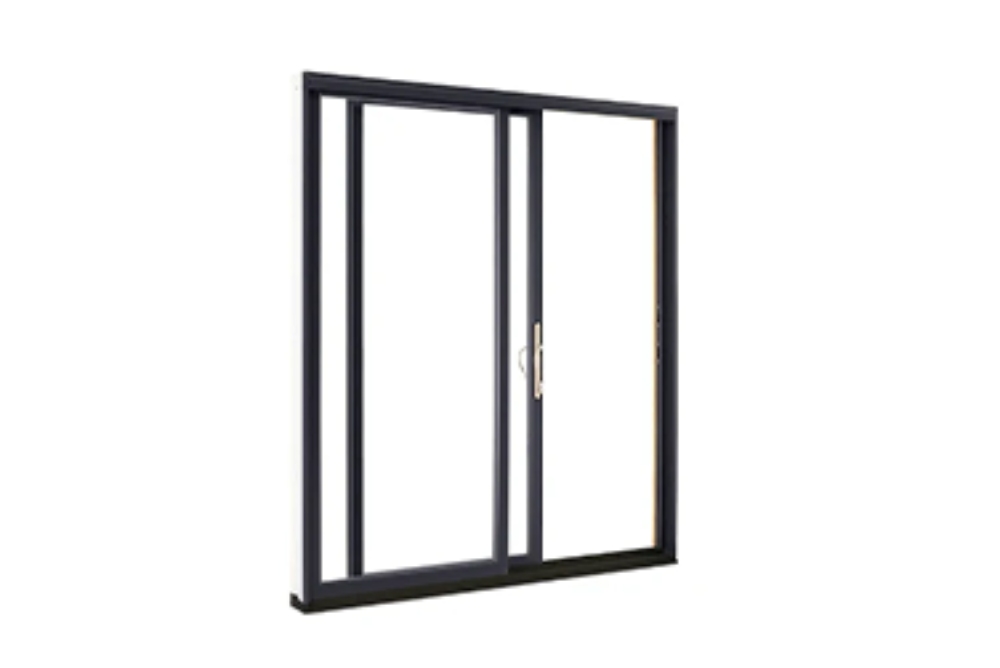
One standout aspect of the Energy-Saving Broken Bridge Aluminum Two-Track Sliding Door is its capacity to function without using extra floor area inside or outside. The panels overlap inside the frame when in use. Therefore, you can place furniture or decor items right beside the door. There is no disruption. Durable pulleys and level tracks make sure that heavy, double-toughened glass panels move easily with little force. This creates an easy experience for users of every age.
To keep strong energy efficiency, a sliding door needs to handle possible air entry at track connections. Quality systems employ several layers of seals. These feature EPDM foam weather strips and co-extruded sealing strips. Unlike regular glue seals, EPDM foam delivers better recovery from compression and resistance to weather. It creates a firm seal around the edges. This blocks water, dust, and outside air. This careful sealing plays a key role in earning top marks in air tightness and water tightness checks. Many global markets demand these for building standards.
Glass covers most of a sliding door’s surface. So, it becomes the key element in the building’s total U-Value. This value tracks heat passage. In 2026, customers seek glazing with multiple advantages more often. These cover safety, noise cutback, and sun management.
Adding Low-Emissivity (Low-E) glass forms a basic part of today’s energy-saving plans. These panes carry a thin coating. It bounces back infrared rays but lets natural light through. Pair it with insulated glass, which uses double or triple layers filled with dry air or inert gas. Then, the door’s heat resistance improves greatly. This arrangement cuts heat loss during winter and heat entry in summer. As a result, it reduces the building’s HVAC energy needs notably.
In tall buildings and business spots near streets, glass safety stands as the top concern. Tempered glass is 3-5 times stronger than regular float glass. It serves as the starting point for safety. For added shielding, toughened laminated glass uses setups like 5mm Tempered + 12A + (5mm + 0.76PVB + 5mm) Laminated. It keeps the pane stuck to the inner film even after a hit. This prevents broken pieces from spreading. This layered design also offers solid sound blocking. It can lower outside traffic sounds by up to 35 decibels. Thus, it builds a peaceful and concentrated indoor setting.
The adaptability of the broken bridge aluminum two-track sliding door lets it function as a reliable link between different activity areas. In homes or big commercial works, choose the system according to the precise setting needs.
In home designs, these doors commonly join living areas to balconies or outdoor decks. The broad opening strengthens the bond between inside and outside zones. It boosts natural light entry and offers clear sight. In kitchens, they act as useful barriers that stop cooking vapors. Yet, they keep clear views between prep and eating spaces. Adding screen panels ensures air circulation without letting in insects or trash.
In business centers and office structures, strength and protection rank as the main factors. Robust sliding doors with multi-point locking hardware deliver strong defense against forced entry and theft. These systems lock at several points on the frame. They provide far better security than single-point locks. For factory locations or labs that need extra safeguarding, features like fireproof or bulletproof glass can join the strengthened aluminum frames. This meets specific safety guidelines.
Managing global buying of top fenestration demands a deep understanding of local certifications and technical rules. We make certain our systems satisfy strict global market needs. We do this through steady testing and improved production oversight.
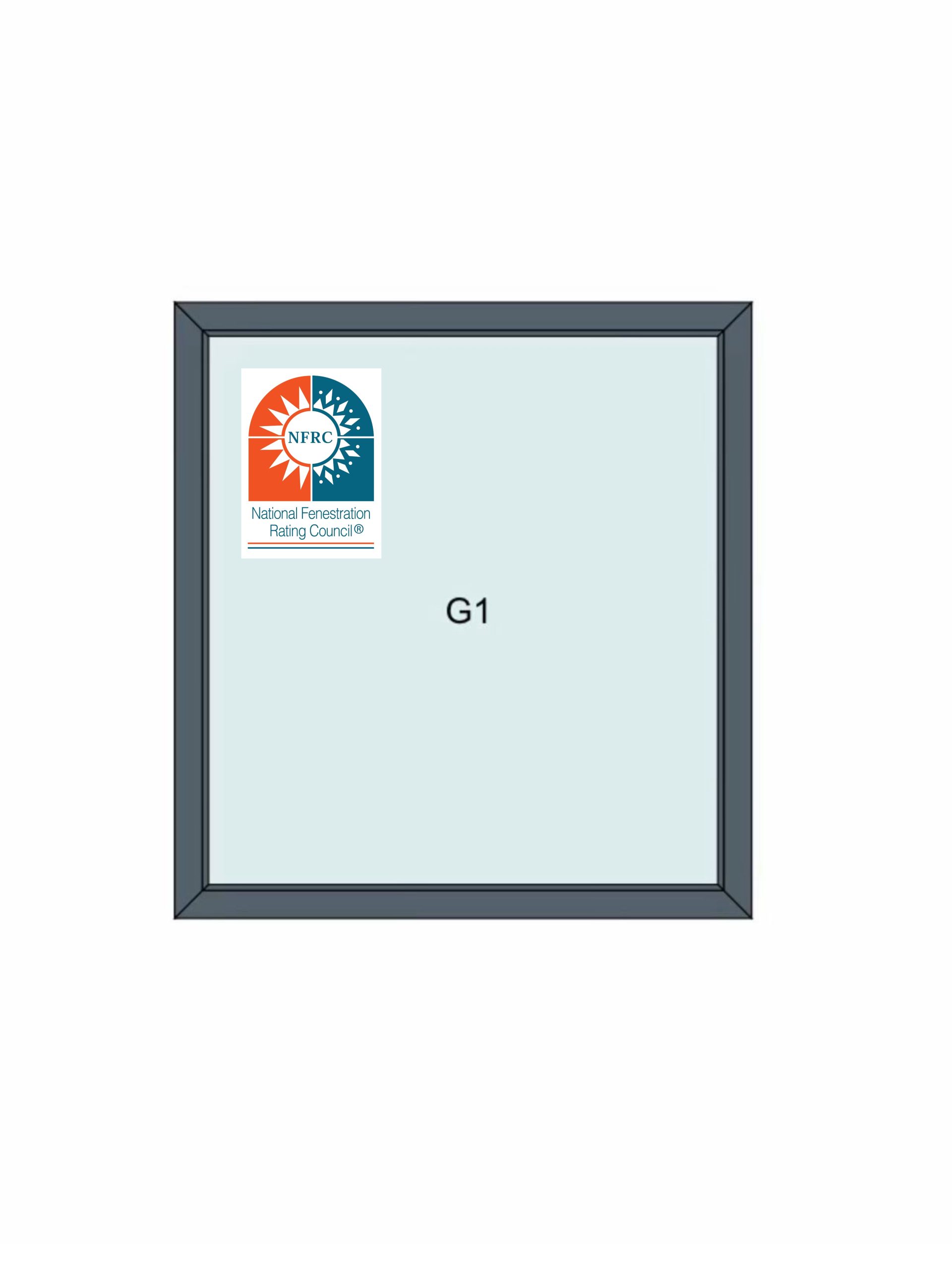
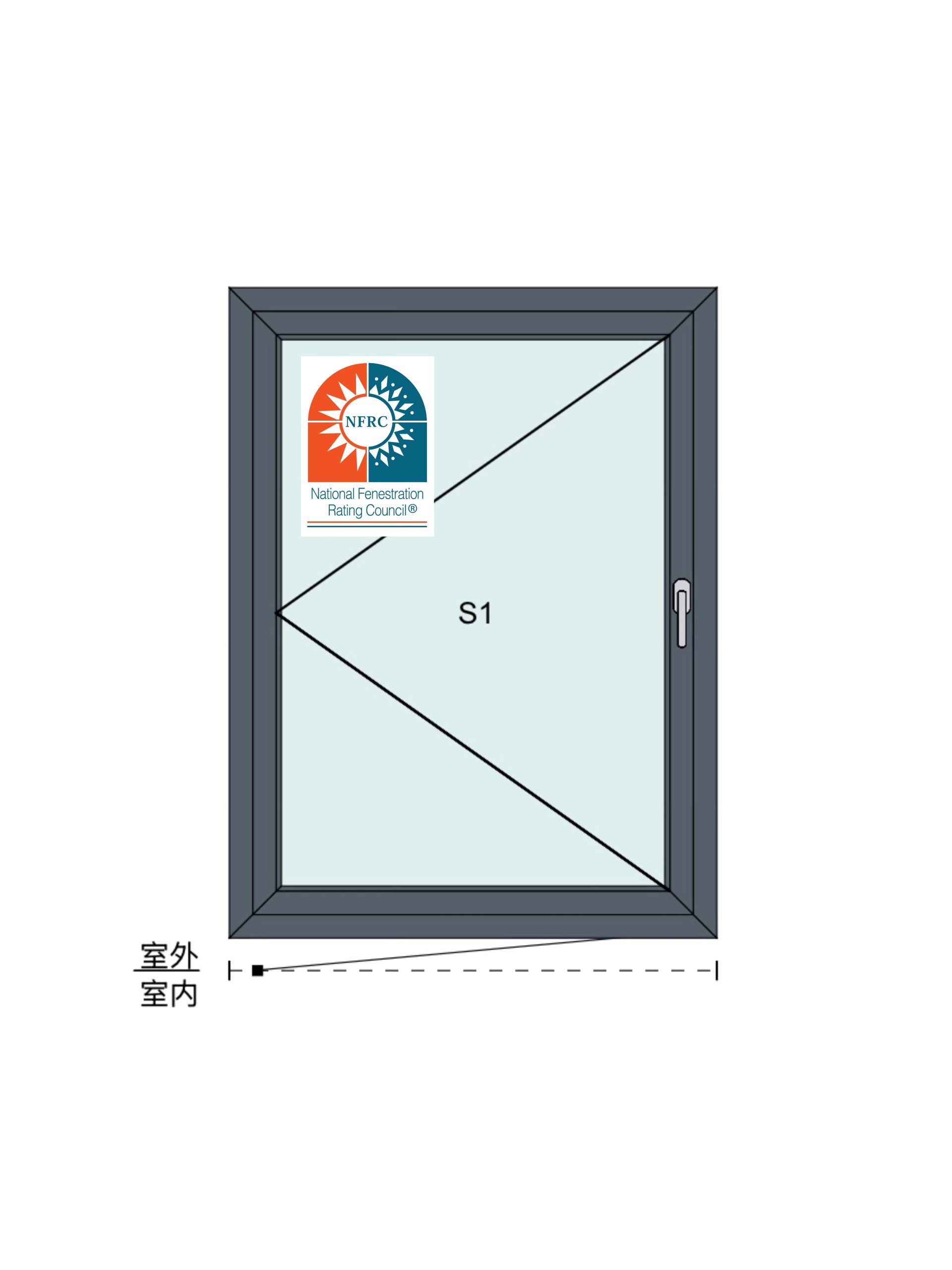
Joining global markets calls for meeting certain safety and performance criteria. For the EU market, CE certification is required. It shows the product follows guidelines like the Construction Products Regulation (CPR) for wind resistance and energy impacts. In North America, NFRC (National Fenestration Rating Council) certification gives clear energy efficiency scores. Meanwhile, Energy Star certification spotlights products that reach the top levels for energy saving. For markets in Australia and New Zealand, products need to clear AS/NZS 2047 tests. These prove their ability to withstand harsh weather.
A winning project depends not just on the product. It also relies on the standard of system door and window solutions and technical support across the entire cycle. Our offerings feature in-depth talks before purchase, sample approvals, and thorough support after sale. We handle an effective order system. It covers various payment methods like T/T or Western Union. Plus, it includes adaptable shipping choices such as Full Container Load (FCL) for major projects. We maintain careful oversight of raw material quality and production details. This ensures each delivered item matches the exact technical needs for challenging project timelines. For anyone looking to improve their building projects in 2026, we encourage you to get in touch. Discuss your particular needs and discover how our skilled engineering can address your energy and security issues.
FAQ
Q: What is the primary function of the “broken bridge” in these aluminum doors?
A: The “broken bridge” employs a PA66 nylon insulation strip placed between the aluminum profiles. This barrier does not conduct heat. It halts the metal’s natural thermal flow. Thus, it greatly cuts heat transfer and boosts the building’s energy efficiency.
Q: Can the glass in these sliding doors be customized for specific safety needs?
A: Yes, the doors allow different glass setups from 5mm to 20mm thick. Options cover tempered glass for standard safety, laminated glass for impact defense and fall blocking, and special fireproof or bulletproof glass for secure settings.
Q: How do these doors perform in coastal or high-wind areas?
A: These doors use 6063-T5 aluminum alloy and truss designs to increase stability. Tests check their wind load resistance, often at grade 5 or above. They include layered EPDM seals to stop water entry and air leaks in tough weather.







Leave a comments