
Nullam dignissim, ante scelerisque the is euismod fermentum odio sem semper the is erat, a feugiat leo urna eget eros. Duis Aenean a imperdiet risus.
Nullam dignissim, ante scelerisque the is euismod fermentum odio sem semper the is erat, a feugiat leo urna eget eros. Duis Aenean a imperdiet risus.
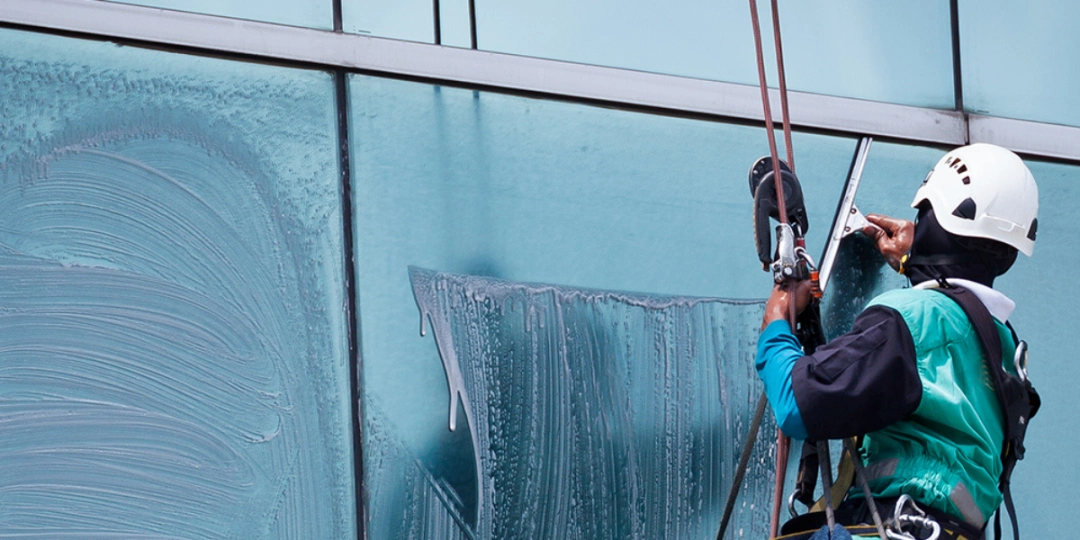
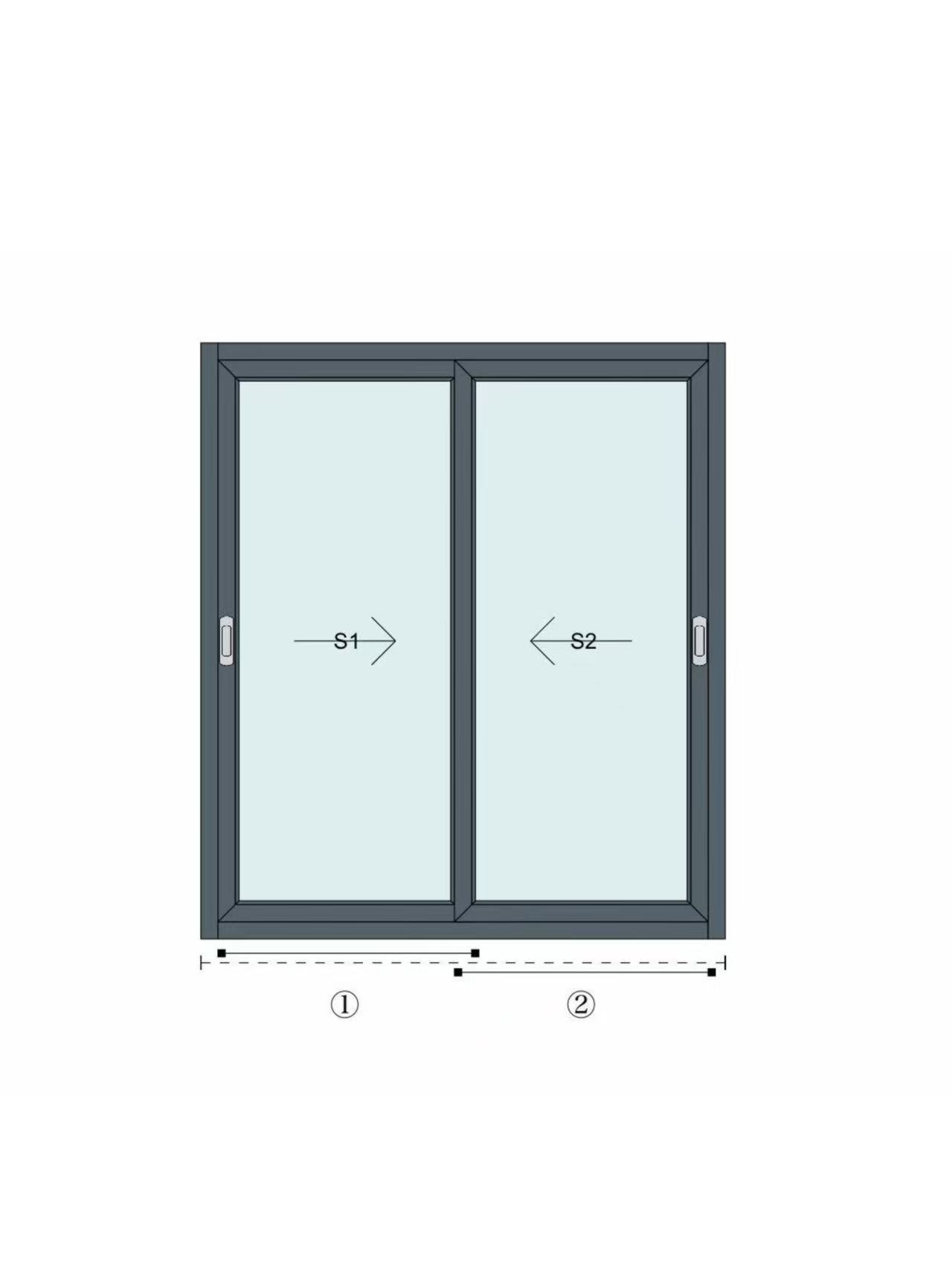
In today’s building design world, the look and work life of a structure’s front side depend not just on picking the right materials, but also on careful upkeep after setup. Modern trends push for big, clear areas, which need wider glass sheets with better heat and sound control. As a result, window systems have grown much more complex. Architects and builders spend a lot on improving heat flow and choosing top-quality glass, like the advanced types used in the 85-Series Thermal Break Aluminum Profile Sliding Window made by Yuxinyuntong. However, poor cleaning methods during the key switch-over time often harm these systems badly.
Many people wrongly think that cleaning building glass is simple handwork. In fact, it is a detailed skill based on the basic rules of chemistry and physics. Even a small mistake from set guidelines, such as those listed by the National Glass Association (NGA), can cause major, lasting harm to the glass base and its thin layers.
To see why special upkeep is so important, note that glass looks hard and still, but its surface reacts at a tiny level and easily changes with its surroundings. Experts in the window field agree that cleaning glass comes down to two steps: washing away dirt with water pressure and using chemicals to cancel out surface dirt, all without any rubbing that could scratch it.
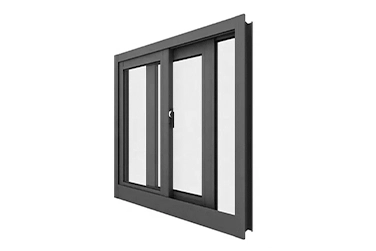
The main goal goes beyond just making the glass see-through again. It focuses on keeping the material strong over time. For strong systems like the 85-Series Sliding Window, which has a smart “Thermal Break Aluminum” heat break with double PA66 nylon insulation strips to boost energy savings and cut heat loss (U-Value), the risks are much greater. Using strong acid or base cleaners can eat into the glass’s basic structure and weaken the aluminum frame’s finish (like quality Electrophoretic Coating or powder coat), plus the nearby EPDM rubber seals. This harm ruins the building’s heat and sound barriers, wasting the careful design of the product.
The worst time for a window glass unit is during building work, when fresh glass faces constant hits from cement mixes, plaster, drying paints, and sticky sealants. Remember that concrete and plaster are not harmless dirt; they are strong bases that, if left to dry on glass, start a harsh reaction called alkaline hydrolysis. This breaks down the glass’s inner web, leaving fixed marks and a cloudy look that no polish can fix.
So, site leaders must set and follow a firm “Spot and Clean” plan, where any spill of wet cement or plaster gets rinsed right away with plenty of clean water before it sticks to the glass. The key idea is clear: acting fast during building saves far more time and money than a full clean-up later, since the wait between dirt landing and removal decides if the surface stays safe from rot.
One of the biggest debates in glass upkeep is using metal scrapers, a common but risky habit that Yuxinyuntong warns against, matching field guides and NGA rules. The reason for this strict ban ties to the tiny surface of heat-treated (tempered or heat-strengthened) glass, often used in fine homes and offices for its strong hit resistance and weight support.
In the heat treatment step, small bits, known as “fabrication debris” or roller dust, can stick to the glass. These tiny pieces cause no issue and stay hidden normally, but a hard metal blade pulls them loose. The blade catches these grit-like bits and drags them over the glass with force, making wide lines of fine scratches that ruin the look and clear view forever. Thus, for tough spots like paint drips or glue leftovers, the best ways call for a liquid softener (like rubbing alcohol, tested first on a small spot), then a light touch with a soft plastic tool, fully avoiding any scratch risk.
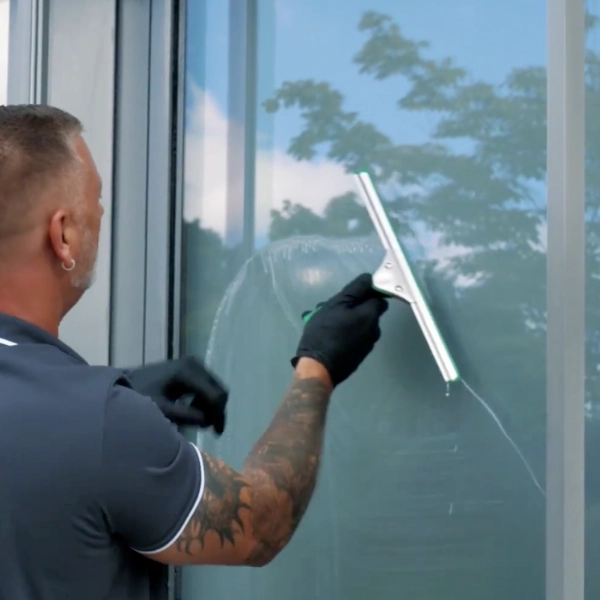
To keep high-end items like the 85-Series Thermal Break Aluminum Profile Sliding Window lasting long, which is built for great sound block (cutting outside noise by 25-35 decibels with layered glass) and top heat control, upkeep workers must stick to a tight three-part clean plan:
Careful glass handling is key, but the smooth run and long life of the 85-Series Sliding Window also need steady checks on its moving parts. Note that our top sliding tracks include useful, detachable dust-proof strips.
This smart build solves a common upkeep problem: buildup of dirt, animal fur, and bits in the lower track. In older setups, this clogs the smooth nylon or steel wheels, causing sticks and early breakdowns. But with the new Yuxinyuntong style, users can pull off these guards easily for deep clean with a vacuum, keeping the big sliding part moving quietly and easily as promised in our top line.
At Yuxinyuntong, we design our full door and window lines as solid, lasting buys for building work. The heat and strength stats of our goods are real, checked facts. For example, many top window types hold National Fenestration Rating Council (NFRC) approval, proving we meet strict energy rules for North America, plus CE and AS/NZS marks for world sales.
Still, the clear beauty of the glass, the building’s outer layer, and the hardware’s steady work depend on following science-based cleaning steps. Just as you would not use bad oil on a fine plane part, do not clean NFRC-certified windows with rough, harmful methods. By choosing upkeep that puts “Physics + Chemistry” first and follows the “No-Blade” rule, managers and owners can make sure their Yuxinyuntong windows stay bright and strong for years, matching the original design goals fully.
We push for adding these full upkeep details in project handover papers, so the product’s life does not end short from poor final care. Keep in mind, a sharp, clear view comes not only from good making, but from ongoing careful, science-guided handling.
Your building’s facade deserves the absolute best—both in initial engineering and long-term care. Don’t let substandard fenestration systems or improper maintenance compromise your architectural vision and energy efficiency goals.
Ready to integrate uncompromising quality, lasting elegance, and advanced thermal performance into your next project?
Explore the 85-Series Thermal Break Aluminum Profile Sliding Window or Contact Yuxinyuntong Today for a personalized technical consultation. Let our expert team provide you with the industry-leading, NFRC-certified window and door solutions your project demands.
Q: I have dried paint on my new 85-Series windows. Is it safe to use a razor blade to scrape it off?
A: Absolutely not. The National Glass Association (NGA) strictly advises against using any metal blades on heat-treated glass to avoid dislodging microscopic fabrication debris, which inevitably causes dense, irreversible scratches. Instead, use a chemically appropriate solvent (like isopropyl alcohol) to thoroughly soften the residue, and then gently lift it with a non-abrasive plastic scraper, ensuring the structural integrity of the glass remains uncompromised.
Q: How does the design of the Yuxinyuntong 85-Series Sliding Window simplify long-term maintenance?
A: Beyond its highly durable, corrosion-resistant powder-coated aluminum frames, the 85-Series features a specifically engineered, user-centric track design equipped with detachable dust-proof strips. This intelligent configuration allows you to easily remove the strips to meticulously clean out accumulated dust and debris, ensuring the precision nylon or stainless steel rollers continue to glide smoothly and quietly for years without the risk of track jamming.
Q: My building is located near the coast. How often should I schedule professional cleaning for my aluminum windows?
A: For coastal environments that are continuously subject to high atmospheric salt spray and humidity, we strongly recommend doubling the standard cleaning frequency. While commercial buildings in inland areas typically require comprehensive cleaning every quarter or six months, coastal properties should be cleaned much more frequently. This proactive schedule prevents highly corrosive salt accumulation from degrading the aluminum profiles’ protective coating or chemically etching the sensitive glass surface.










Leave a comments