
Nullam dignissim, ante scelerisque the is euismod fermentum odio sem semper the is erat, a feugiat leo urna eget eros. Duis Aenean a imperdiet risus.
Nullam dignissim, ante scelerisque the is euismod fermentum odio sem semper the is erat, a feugiat leo urna eget eros. Duis Aenean a imperdiet risus.
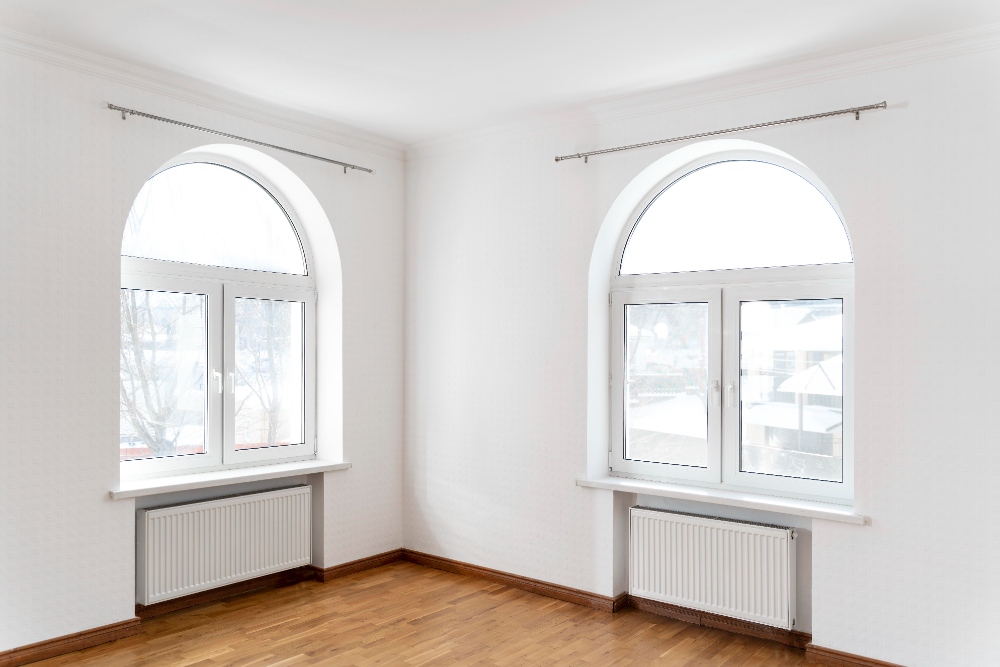
As the global construction industry steps into 2026, the emphasis on sustainable architecture and carbon neutrality has changed from an ambitious aim to a required rule. Modern buildings now need enclosure parts that work as active energy-control setups rather than simple walls. This change has put strong demands on architects and project leaders to find fenestration that combines a clear look with top performance. We at Yuxinyuntong have put our research and development into solving these issues. We operate as a professional company centered on the worldwide supply of advanced building materials. Our dedication rests in providing high-quality system doors and window products that satisfy the strict technical standards of today’s market.
The idea of a high-quality casement window system has moved from basic toughness to a complex blend of thermal knowledge, structural work, and user-focused design. In 2026, people no longer judge a window only by its frame material. Instead, they look at how its parts—profiles, glazing units, hardware, and seals—work together to handle the building’s small-scale climate.
The base of any excellent system starts with the profile. Aluminum alloy remains the main pick for current buildings because of its good strength-to-weight balance and excellent corrosion resistance. However, regular aluminum conducts heat well. That is why we use thermal-break aluminum profiles. These profiles add a PA66 nylon thermal insulation strip placed in the center to stop heat movement effectively.
By separating the inner and outer aluminum parts, these strips make sure the window keeps a steady temperature no matter the outside weather. For projects in damp or seaside spots, we use special surface finishes and strengthened mixed materials. This helps the profiles resist salt spray and wetness without breaking down. Such careful material work provides the firm support needed for big glass panels common in 2026 luxury plans.
Current building trends prefer bigger openings and thinner frames. These choices create a big test for wind load strength. To handle this, we apply a multi-chamber design in our profiles. This boosts the total structural power to fit high-rise building needs. Our casement window systems can reach high wind pressure resistance grades as a result. They often withstanding wind loads up to 4500 Pa.
Moreover, the use of corner locking keys makes sure surface joints stay fully even. At the same time, it greatly improves corner steadiness. This prevents the sash from drooping or twisting over many years of use.
Energy efficiency drives window choices in 2026, especially for projects targeting Passive House or Energy Star approvals. The thermal ability of a window is measured by its U-value, or thermal transmittance. A lower value shows better insulation.
The glass type chosen plays a key role in meeting these standards. High-quality systems now often use insulated glass units (IGU) made of double or triple toughened glass panes filled with dry air or inert gases like argon. To improve performance further, we apply Low-Emissivity (Low-E) coated glass. This special layer reflects infrared rays. It blocks outside heat in summer and holds inside warmth in winter without reducing light passage.
For harsh climates, 5+12A+5+12A+5 Triple Glazed Units offer an even stronger shield against heat gain and loss.
Thermal insulation does not work well if the window lets air leak in. We focus on multi-layer sealing systems that include EPDM foam weather strips and o-extruded seal. EPDM stands out for its strong weather resistance and simpler upkeep compared to traditional silicone sealants. When the casement sash closes, these seals press around the edges. They create a firm fit that blocks air entry and rainwater leaks effectively. Such detailed sealing is vital for keeping the building’s energy balance and easing the load on HVAC systems.
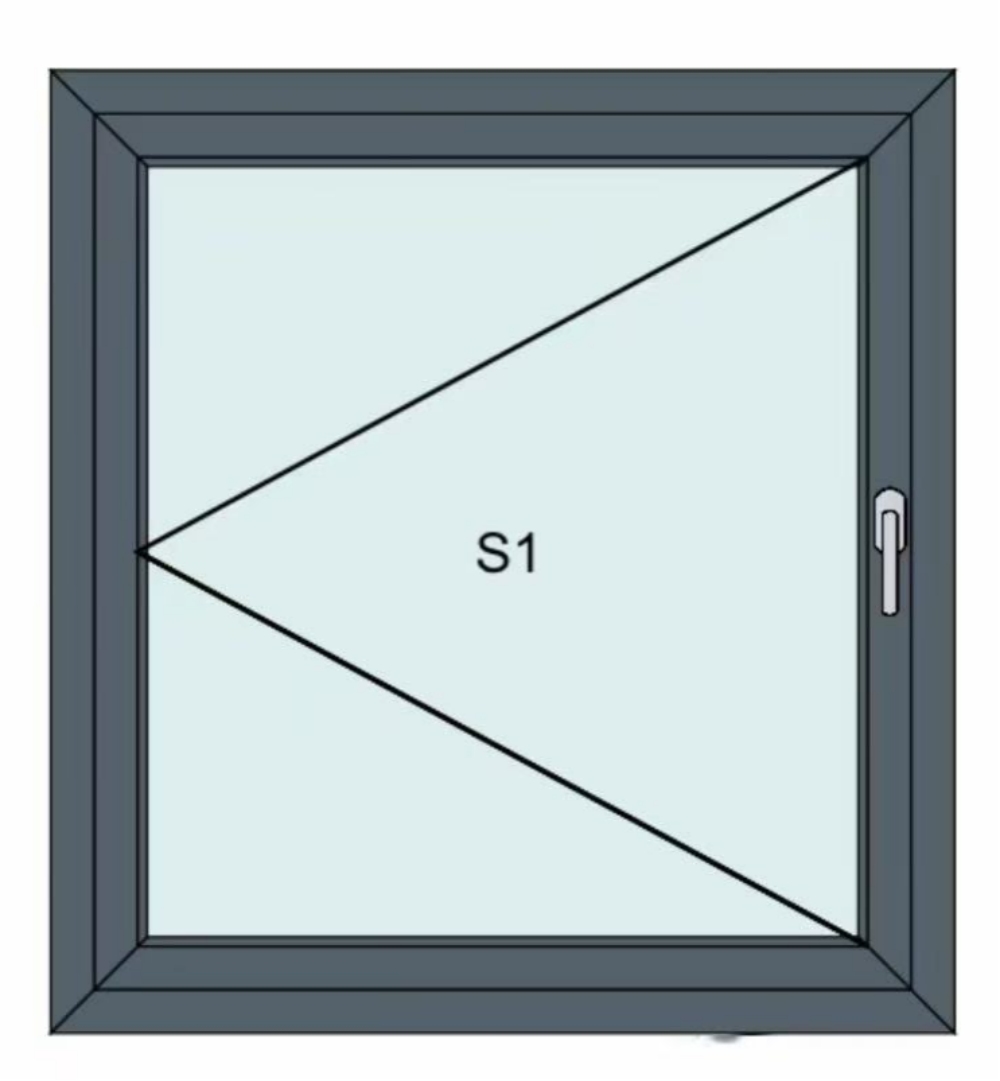
As a professional casement window system manufacturer, we understand that user experience and safety are closely connected with technical ability. A window must stay secure while remaining simple to handle.
Security matters a lot for homes and business places. Standard windows often depend on single-point locks that can be forced open easily. Our systems use multi-point hardware lock systems. By connecting the sash to the frame at several points, these locks give a better weather seal. They also greatly strengthen protection against break-ins. This setup works well for ground-level villa doors or high-rise home balconies where anti-intrusion ability cannot be compromised.
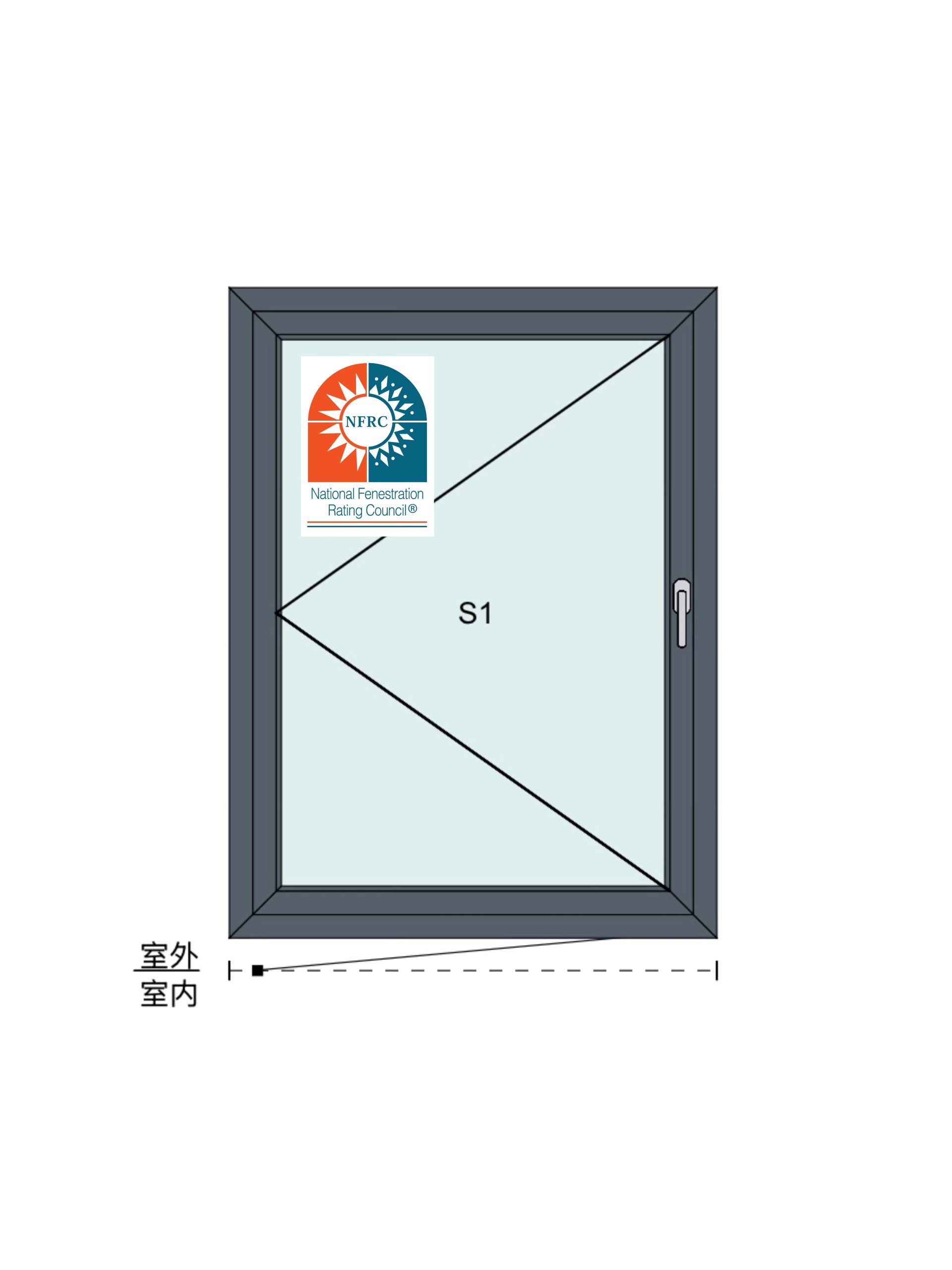
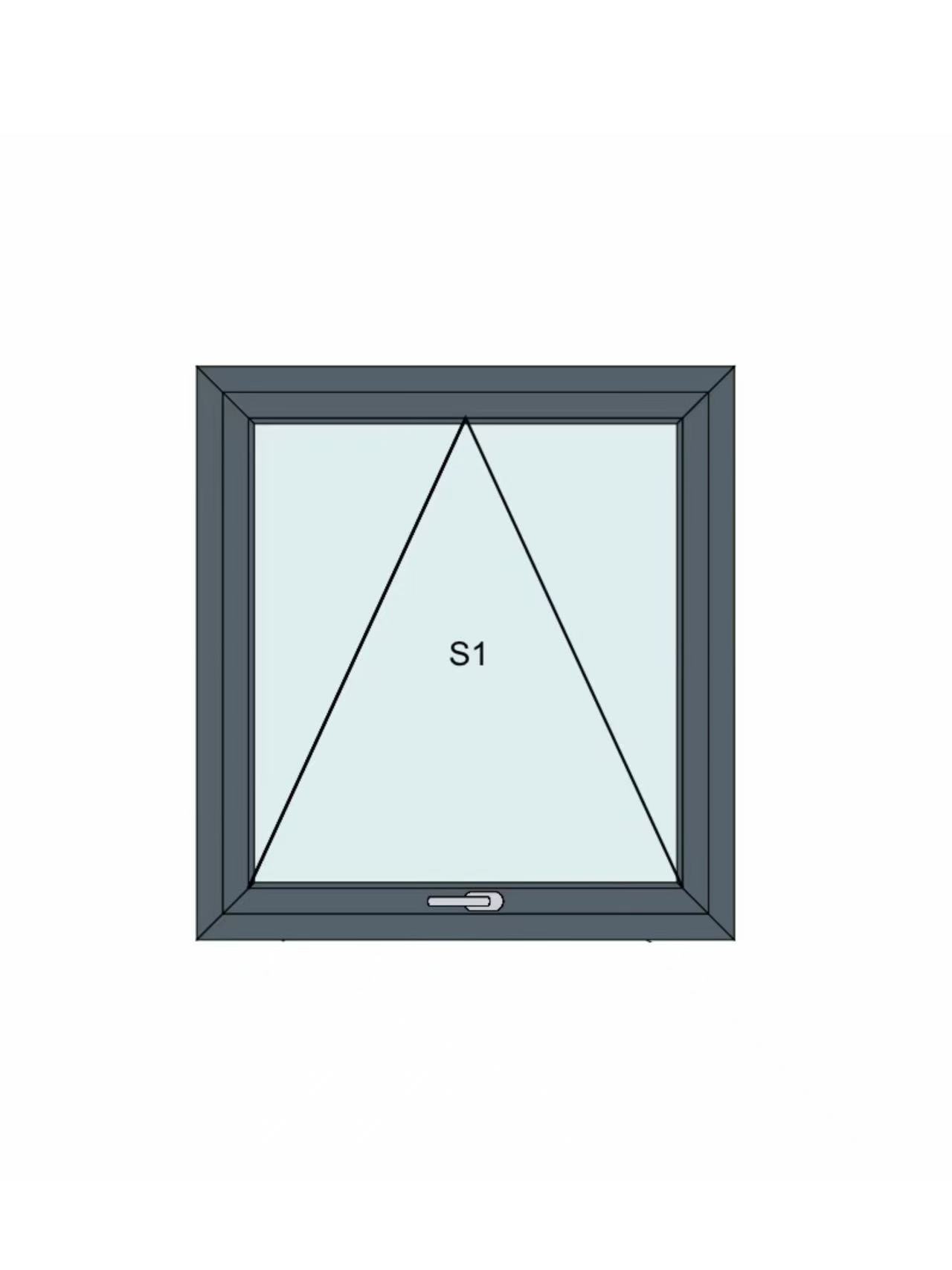
The ease of using one hand marks a top casement system. We provide two main control ways designed for simple use:
Such simple handling gets appreciated in spots like kitchens or bathrooms. There, furniture or fixtures might limit window access.
Finding products from a trusted casement window system manufacturer calls for checking international rules. We make sure our items meet the required and optional certification needs of various world markets. This guarantees safety and performance.
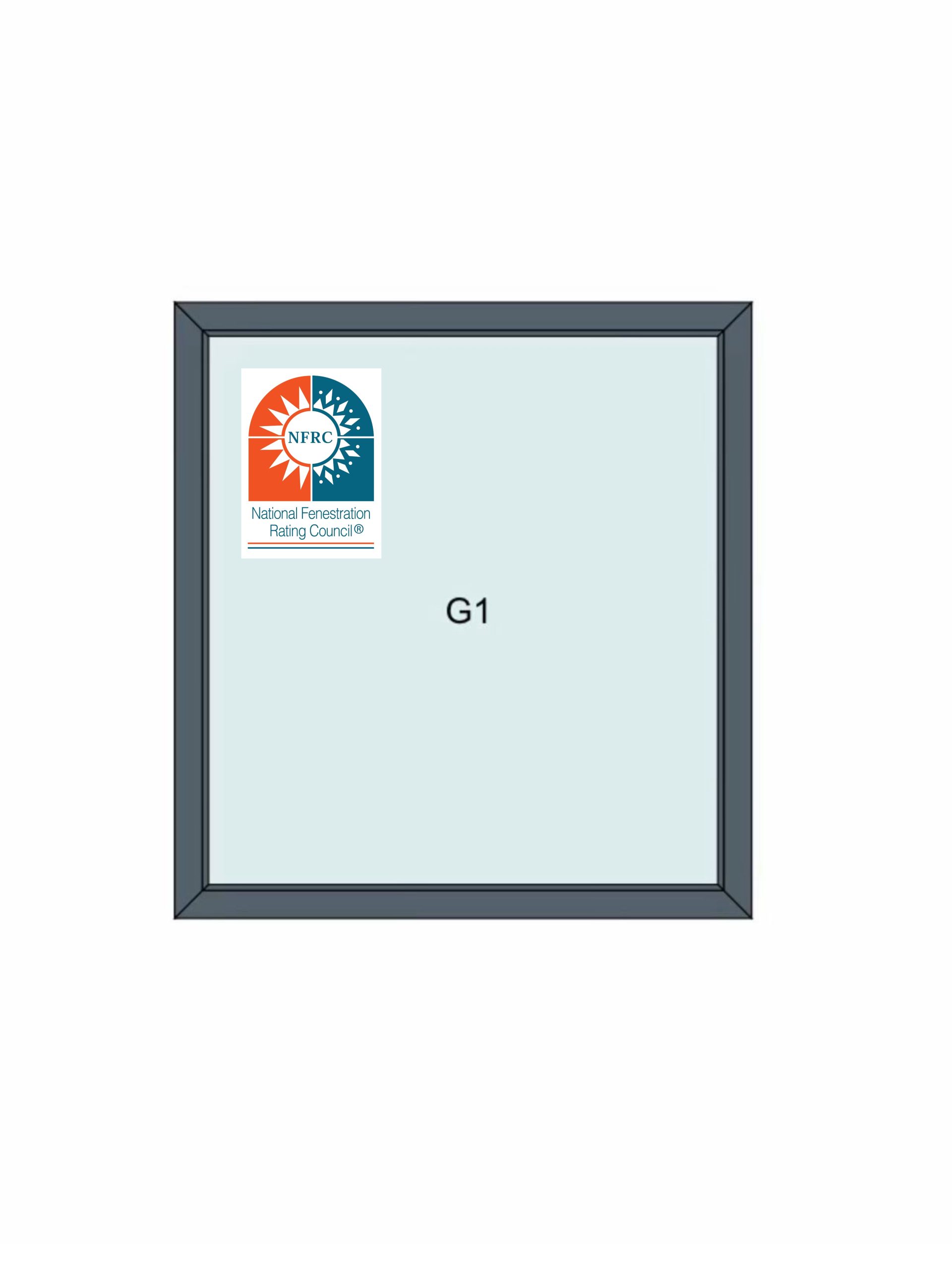
For the European market, our products follow CE certification. This shows they match directives like the Construction Products Regulation (CPR). In North America, we offer NFRC-certified products. These rates energy performance clearly, aiding builders in fair comparisons. Also, for Australian and New Zealand markets, we ensure fit with AS/NZS 2047. This covers wind load, air tightness, and water tightness.
We run strict tests in our labs. These include water spray checks to find leaks and wind pressure tests to set deformation limits. This focus on proven performance lets us provide system door and window solutions. Architects can choose them with full trust.
Our technical team applies careful control throughout the whole making process. This starts from picking raw materials and goes to final tweaks and checks. To help with worldwide project timelines, we provide flexible shipping choices. We mainly use Full Container Load (FCL) ocean freight for its speed and low damage risk.
Our order steps are made simple to ensure on-time delivery. They go from first talks and sample checks to advance payments via T/T and the last shipment.
Picking the right window system involves more than a product. It needs a partnership. We stick to the idea of offering not just high-quality items but also thoughtful technical help. Our team gives pre-sales advice to pick the right glass setups and hardware for your specific weather and building type.
After setup, we offer after-sales upkeep support. This ensures long-term steady work and nice visual effects over the window’s life.
We encourage you to look at our collection of portfolio of successful implementations in home and business areas. If you need technical details, CAD drawings, or advice for your next job, please reach out to us.
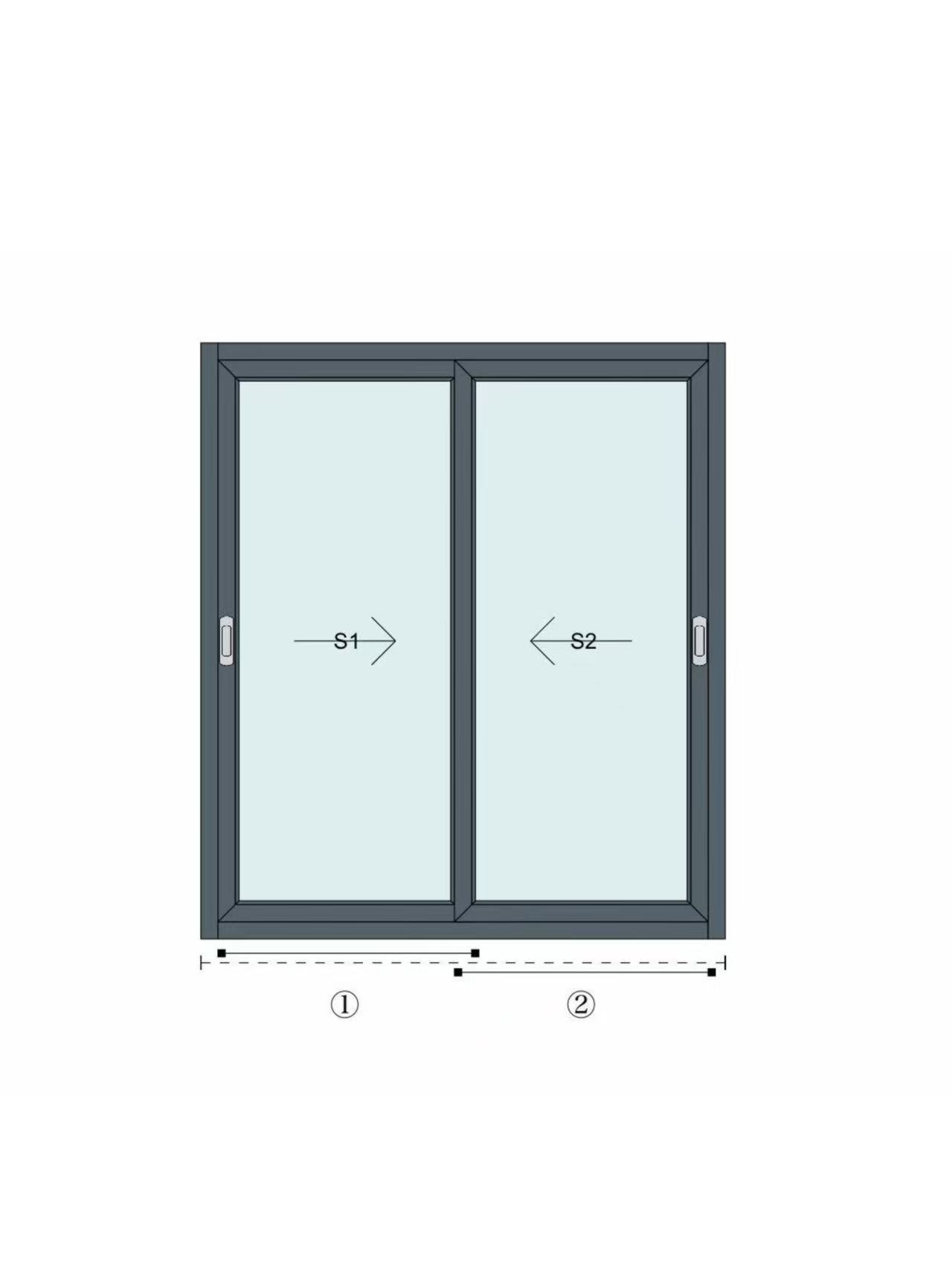
Q: How does a casement window compare to a sliding window in terms of energy efficiency?
A: Casement windows usually provide better energy efficiency. The sash closes by pushing firmly against the frame seals. This creates a tighter edge seal than the brush seals often used in sliding tracks. As a result, it reduces air leaks and heat movement more effectively.
Q: What is the benefit of a thermal-break profile in extreme temperatures?
A: A thermal-break profile uses a non-conductive material like a PA66 nylon strip. It separates the inner and outer aluminum sections. This stops outside heat or cold from passing through the frame. In turn, it greatly improves the window’s U-value. It also keeps a comfortable indoor temperature and cuts energy costs.
Q: Are casement windows suitable for high-rise buildings?
A: Yes, casement windows fit well for high-rise uses when designed with strong wind load resistance and special hardware. Inward-opening casement windows are especially suggested for high-rises. They allow easier and safer glass cleaning from the inside. Plus, they remove the risk of sashes facing high-altitude winds.








Leave a comments