
Nullam dignissim, ante scelerisque the is euismod fermentum odio sem semper the is erat, a feugiat leo urna eget eros. Duis Aenean a imperdiet risus.
Nullam dignissim, ante scelerisque the is euismod fermentum odio sem semper the is erat, a feugiat leo urna eget eros. Duis Aenean a imperdiet risus.

A commercial glazing decision is rarely just a question of adding one more pane of glass. For apartment blocks, hotels, offices, schools, and mixed-use buildings, the choice between a double-glazed window and a triple-glazed window can affect frame depth, sash weight, hardware selection, shop drawings, packing, and the basis of the final quotation.
Triple glazing may be worth considering when a project has stricter thermal targets or requires better winter interior-surface comfort. Double glazing may remain the more practical option where the climate is moderate, profile depth is limited, handling needs to stay manageable, or budget control carries more weight. Buyers should compare both options as complete window systems before samples and production drawings are approved.
The first decision is the performance target the building actually needs. Additional glass layers can support stronger thermal performance, but pane count alone does not describe how the finished window will perform.
A commercial window schedule should separate the glass build-up from whole-window performance because the frame, spacer, sash, seals, hardware, and installation interface all influence the result.
The thermal value measured or calculated at the center of an insulated glass unit is not the same as the performance of the assembled window. Edge spacers, aluminium frames, glazing systems, gaskets, and operable sashes all influence heat transfer.
This distinction matters when comparing double and triple glazing. U-factors for triple-glazed windows may appear precise while still referring to different technical scopes. One quotation may describe the insulated glass unit only, while another may refer to the complete window assembly.
The quotation brief should therefore state clearly whether the required value applies to the glazing alone or to the assembled fenestration product. Without that distinction, two technically different offers may appear comparable on paper.
Cold-climate projects may place more emphasis on heat loss and interior glass temperature. Hot or mixed climates may give greater weight to solar heat gain, glare, shading, and cooling demand.
A west-facing office elevation, a shaded hotel corridor, and a north-facing apartment bedroom do not necessarily need the same glazing strategy. Low-E coating position, visible light transmission, tint, shading, and solar control should be considered together.
A triple-glazed window may be useful on one elevation and unnecessary on another, particularly when the additional glass build-up creates new frame-depth, hardware, or handling requirements.
Double glazing remains a practical option for many commercial window packages. It can provide a balanced combination of thermal insulation, acoustic control, manageable sash weight, production simplicity, and cost when the project does not require a more demanding glazing build-up.
For repeated apartment, hotel, or office openings, a double-glazed unit can simplify handling compared with a heavier triple-glazed package. Lower sash weight can also make hardware selection, lifting, installation, packing, and replacement planning easier to manage.
These differences become more visible across a large project. Hundreds of repeated openings mean repeated handling, crate loading, floor distribution, installation, and inspection.
Where the approved energy model and project requirements can be met with double glazing, adding another pane should not be treated as an automatic upgrade.
A lower quotation is only meaningful when the technical scope is the same.
A double-glazed proposal should identify pane thickness, cavity width, Low-E coating position, gas or dry-air fill where applicable, spacer type, tempered or laminated glass requirements, tint or privacy requirements, and the sample approval method.
If these details differ between quotations, the buyer may be comparing different window packages rather than different prices for the same specification. The same opening schedule and technical brief should therefore be issued to each bidder before the total cost is evaluated.

Triple glazing can support lower heat transfer, improved interior-surface comfort in cold conditions, and in some configurations better sound reduction. At the same time, it places additional demands on the window system surrounding the glass.
A triple-glazed window should therefore not be treated as a direct replacement for every double-glazed configuration.
Triple-glazed window thickness must fit the selected frame and glazing rebate. Adding another pane and cavity increases the overall build-up, so the glazing bead, gasket, drainage path, and sash profile all need to accommodate the proposed configuration.
If the existing aluminium system cannot accept that build-up correctly, changing only the glass specification will not resolve the issue. Buyers may need to review the frame series, glazing bead design, gasket compression, sash profile, drainage detail, and opening type before samples are confirmed.
This check should happen before shop drawings are approved. Otherwise, the project may discover too late that the selected glass package and frame system do not work together.
A larger glazing build-up increases weight, particularly where the additional pane uses glass of similar thickness to the existing specification.
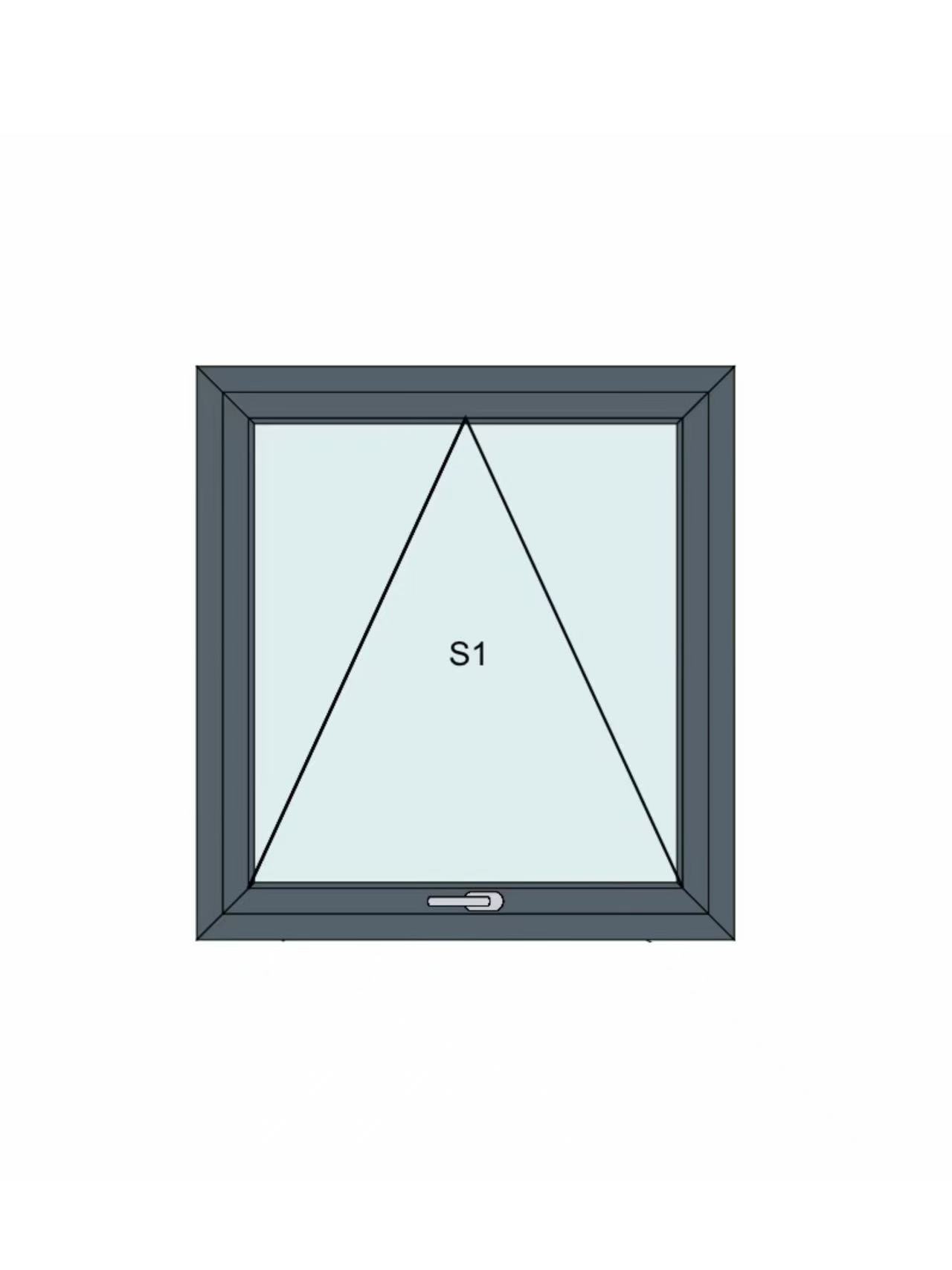
This matters most for operable windows. Casement sashes, tilt-and-turn units, awning windows, and other opening systems depend on hardware capacity and stable sash movement.
Instead of asking only for total glass thickness, buyers should confirm sash weight by opening code. Hardware review may then include hinges, friction stays, limiters, operators, locks, and other components affected by the load.
Packing and installation also deserve attention. Large or heavy glazed units may need different lifting procedures, crate arrangements, handling routes, or floor-by-floor installation plans.
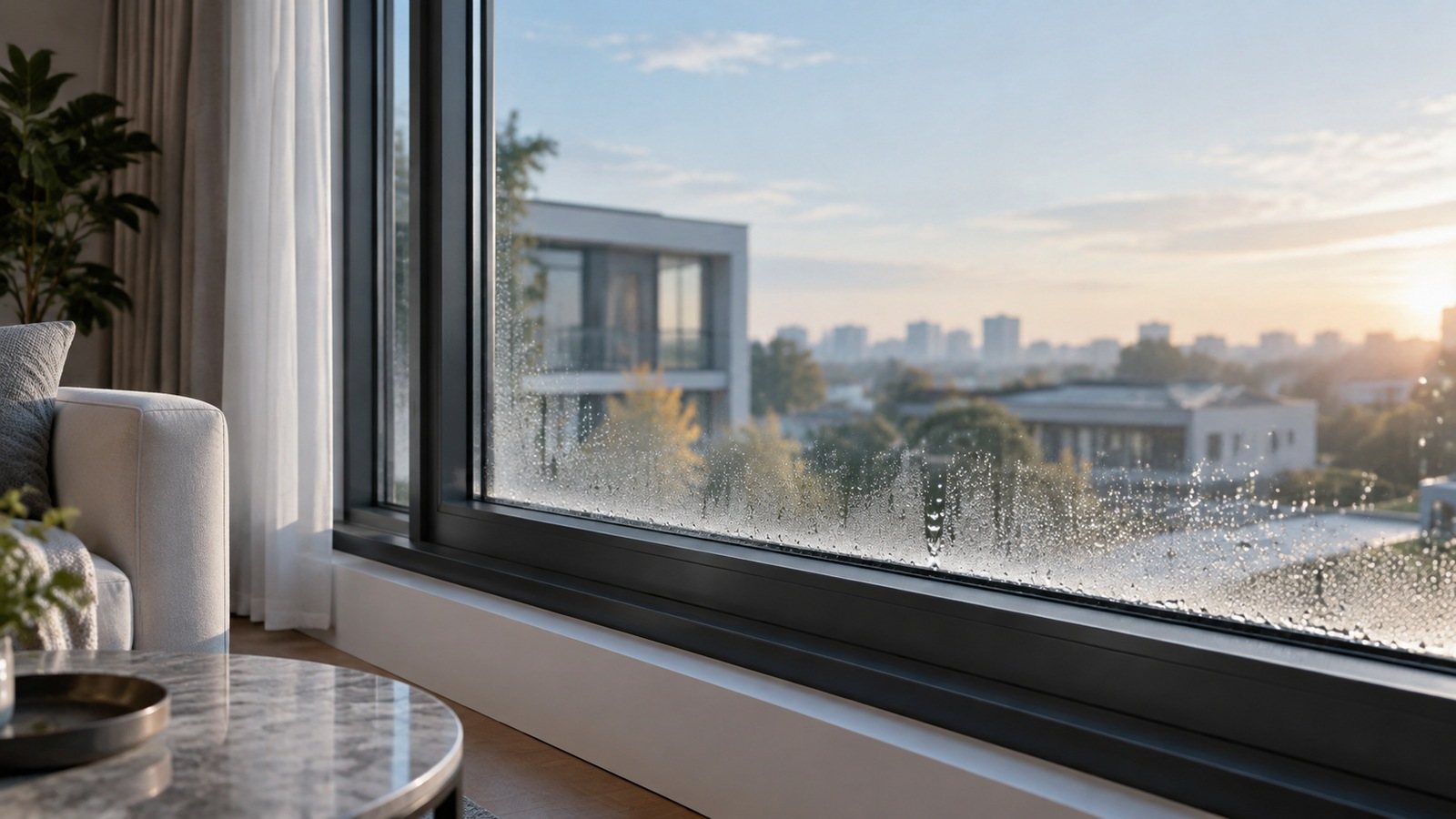
Triple glazing should not be presented as a universal solution to condensation.
A warmer interior glass surface can reduce condensation risk under some cold-weather conditions, but indoor humidity, ventilation, spacer performance, frame temperature, thermal bridges, and installation quality still matter.
A more useful procurement question is whether the proposed glass, spacer, frame, and installation detail match the climate and indoor conditions used in the project design.
The most reliable way to compare double and triple options is to issue the same glazing schedule to every bidder.
Descriptions such as “energy-efficient glass” or “high-performance triple glazing” are not sufficient for fabrication. The schedule should define the actual build-up and the approval route.
The quotation request should identify pane thickness, cavity width, Low-E coating position, gas or dry-air fill, spacer material, tempered or laminated requirements, tint, and privacy glass where required.
If both double and triple options are being evaluated, the two build-ups should appear side by side in the same schedule.
This makes the price difference easier to interpret and reduces the risk of later shop drawings moving away from the scope that was originally priced.
Commercial orders need traceable production information.
Samples should correspond to the specified glass build-up and opening code. Production labels can connect each unit to its window mark, room, elevation, and glazing configuration.
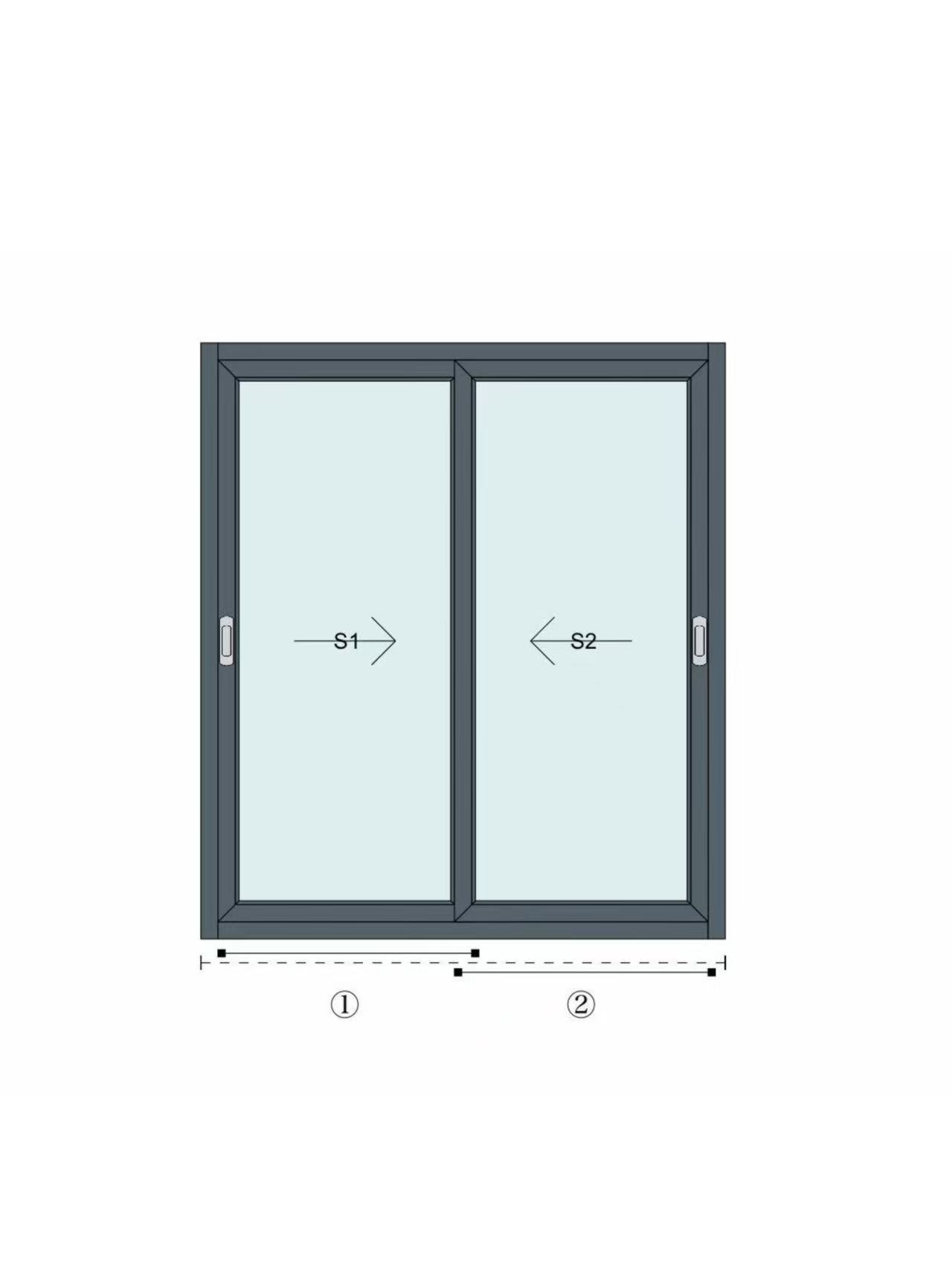
Shop drawings should confirm frame depth, sash direction, mullion position, glazing bead side, glass size, and drainage assumptions. If the project changes from double to triple glazing after quotation, the revised build-up should also be reflected in drawings, labels, hardware review, and packing plans.

Once the glazing target and opening schedule are clear, Yuxinyuntong can support project buyers in reviewing aluminium window configurations against opening type, glazing requirements, climate conditions, and project performance targets. The company supplies window and related building systems for residential and commercial applications, so glazing decisions can be considered together with the surrounding frame, hardware, and installation requirements.
The Yuxinyuntong windows range includes systems using thermally broken aluminium profiles with polyamide nylon strips, together with glazing options such as Low-E, insulated, laminated, and tempered glass. These options allow project teams to coordinate the frame and glass package according to thermal requirements, safety needs, opening style, and the conditions of the target building.
A more reliable procurement approach is to compare double and triple glazing as complete window systems rather than as pane counts.
Double glazing may suit repeated commercial openings where the required thermal performance can be achieved without adding unnecessary glass weight, profile depth, or handling complexity.
Triple glazing may suit colder climates or projects with stricter thermal and interior-comfort targets, provided the frame, glazing rebate, hardware, and installation plan can accommodate the additional build-up.
The main procurement risk is not simply choosing the wrong number of panes. It is comparing quotations built around different assumptions for U-factor scope, Low-E coating position, cavity and spacer design, frame system, sash weight, safety glass, labels, shop drawings, packing, and delivery.
Before final quotation comparison, prepare the window schedule, climate assumptions, opening codes, frame-depth limits, target glass build-up, safety-glass requirements, sample rules, label format, packing sequence, and required market documents.
Then send the complete glazing schedule for configuration review before pricing is closed.
For upstream planning, review the aluminum window schedule guide before closing the final glazing brief.
Q: Are triple-pane windows always better than double-glazed windows?
A: No. Triple-pane windows can be useful when a project needs lower heat loss or improved interior-surface comfort in cold conditions. Double glazing may still be more suitable where climate conditions are moderate, sash dimensions are large, frame depth is limited, or simpler handling and cost control are important.
Q: What should buyers check before requesting a price for triple-glazed windows?
A: Buyers should confirm the complete glass build-up, overall glazing thickness, sash weight, frame depth, glazing rebate, bead and gasket fit, hardware capacity, Low-E coating position, spacer type, safety-glass requirements, sample approval, shop drawings, packing, and target-market documents.
Q: How should double and triple glazing options be compared in one quotation?
A: Both options should be priced against the same opening schedule, frame system, glass specification format, safety requirements, label rules, packing scope, delivery grouping, and approval process. If those inputs differ, the lowest quotation may not represent the same window package.








Leave a comments