
Nullam dignissim, ante scelerisque the is euismod fermentum odio sem semper the is erat, a feugiat leo urna eget eros. Duis Aenean a imperdiet risus.
Nullam dignissim, ante scelerisque the is euismod fermentum odio sem semper the is erat, a feugiat leo urna eget eros. Duis Aenean a imperdiet risus.
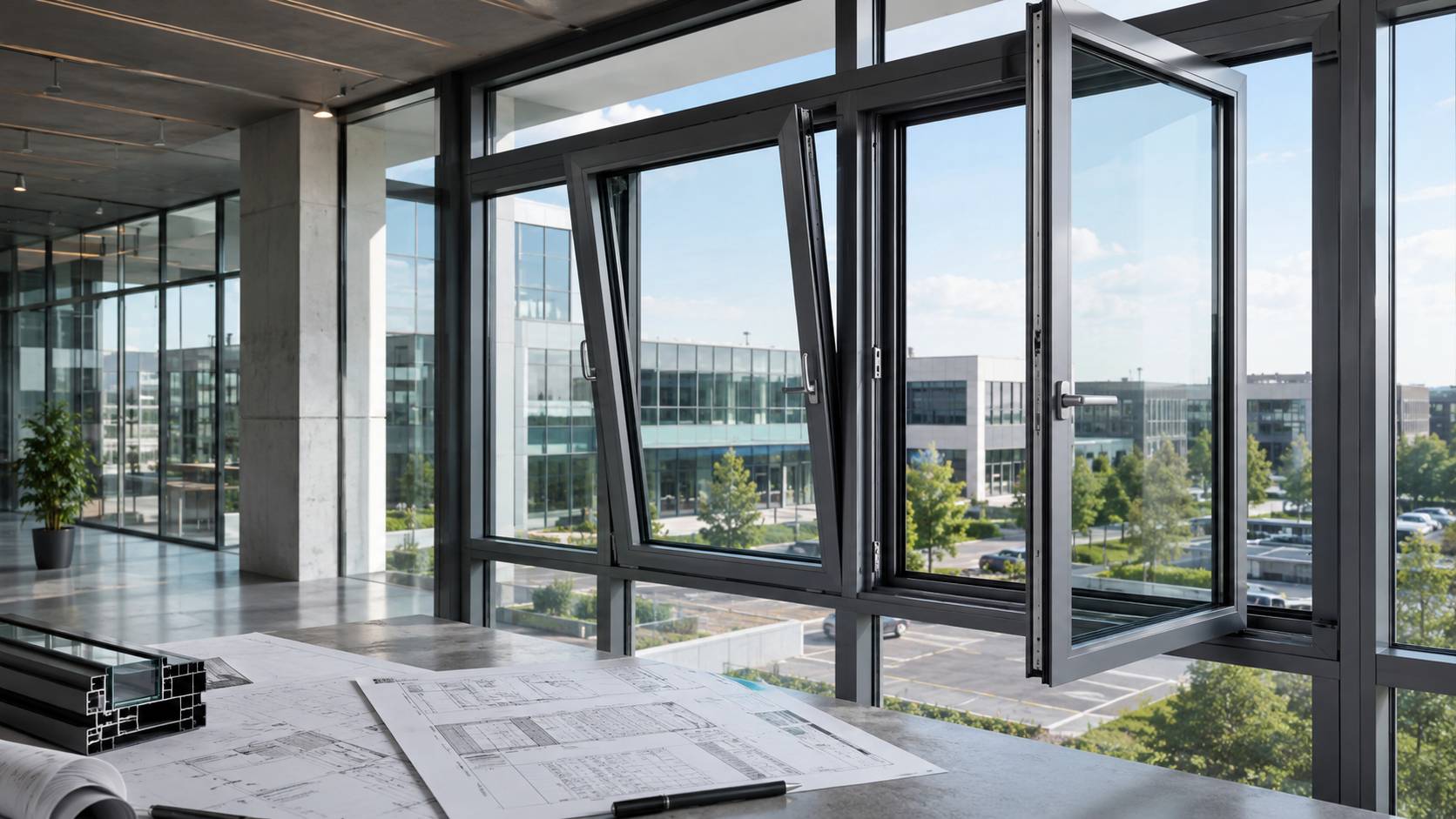
A commercial window order should not move into production only because the quotation is accepted. Before fabrication starts, buyers need a clear production schedule that connects drawings, room locations, sizes, opening functions, glass packages, hardware, colors, labels, and approval status.
This matters even more for commercial aluminum windows, where one project may include many similar openings across different floors. Two windows may look the same on elevation drawings, yet need different glass, handle positions, sash limits, or packing labels. This guide explains what to confirm before production, using tilt and turn window configuration as a practical example for projects that need controlled ventilation, inward cleaning access, and stronger sealing.
The schedule is the bridge between design intent and factory production. If it is incomplete, the production team may receive sizes without enough context, or opening styles without the correct room-side direction.
Architectural drawings show where windows go, but they do not always include every production item. A complete aluminum window schedule should list window code, floor, room, elevation position, quantity, finished size, rough opening condition, opening style, glass, color, hardware, screen option, and remarks.
At this step, the buyer checks whether the design can be manufactured and installed without later correction.
Commercial projects often repeat window codes across floors. A meeting room may need better acoustic insulation than a corridor, while a guest room may need a different handle side because of furniture or curtain placement. Similar appearance does not always mean the same specification.
Before production, buyers should avoid merging window codes too early.
This review should involve procurement, design, and site teams before the supplier starts fabrication. When those teams work from different files, small differences in room numbers, elevation notes, or glass marks can turn into production errors. A single approved schedule gives all parties one reference point.
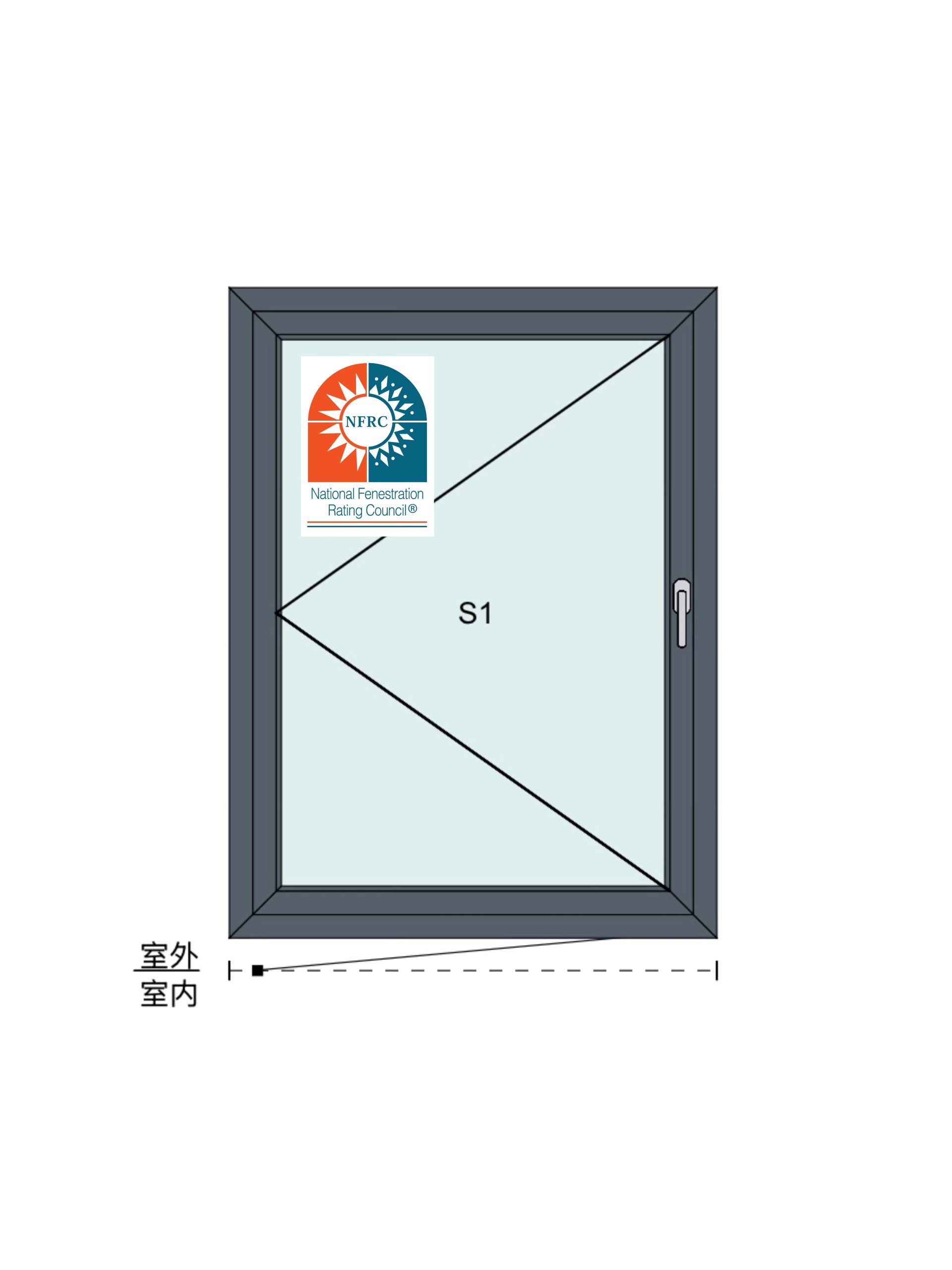
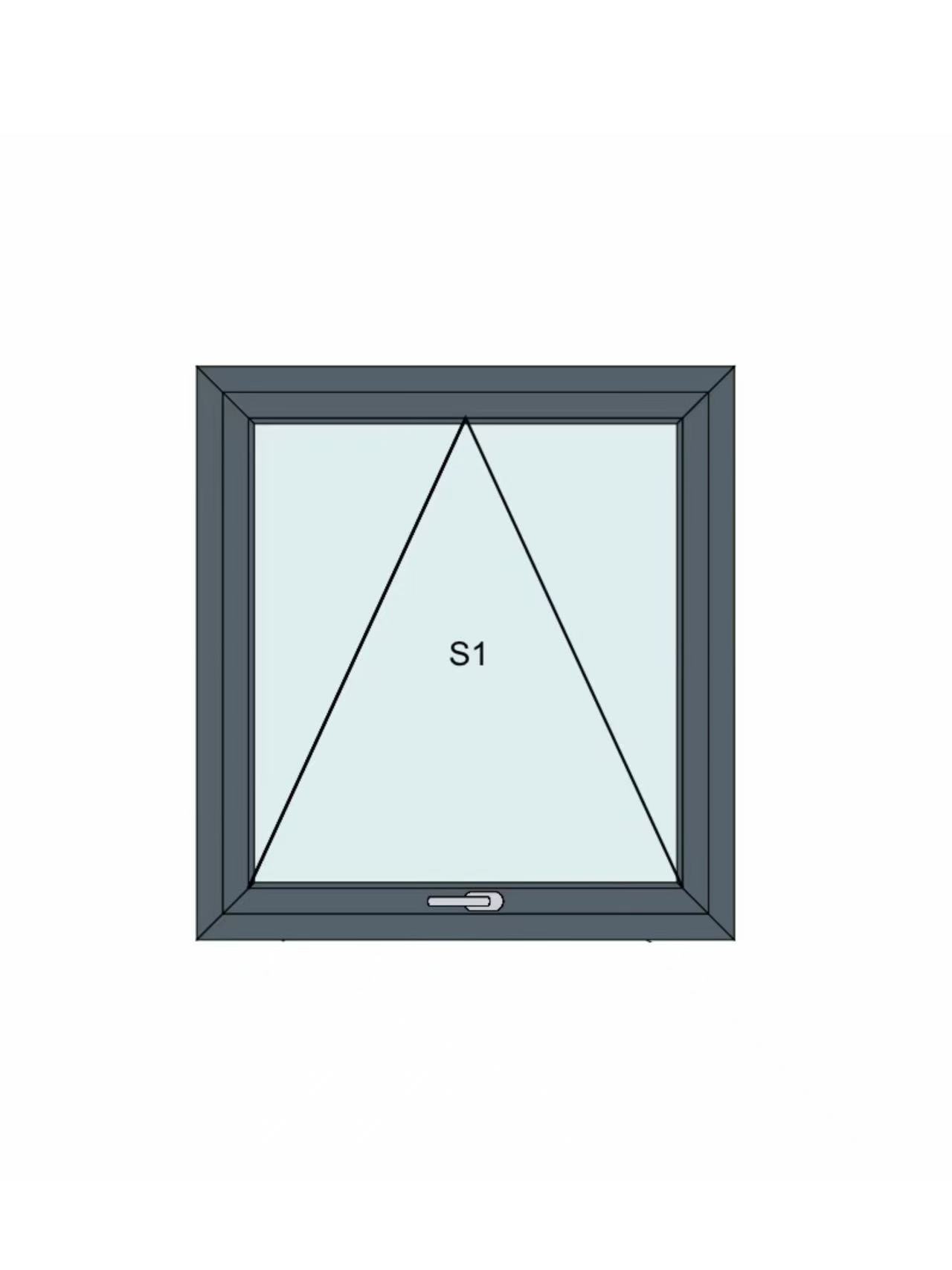
A tilt and turn window offers two opening modes. The tilt position allows the top of the sash to angle inward for secure ventilation. The turn position allows a full side opening, which can help cleaning, access, and emergency egress planning. For offices, hotels, schools, public buildings, and high-rise apartments, this dual function can be more useful than a simple single-opening window.
The schedule should state the inward opening direction, handle side, tilt direction, room side, and left or right hand. For a tilt and turn window, the handle position and swing clearance are especially important because the sash opens into the interior in turn mode.
Installers and interior designers should also check curtain space, furniture clearance, cleaning access, and safety limits.
Buyers should separate rough opening size, finished window size, and sash size in the schedule. For Yuxinyuntong tilt and turn window configurations, the maximum sash size is 1500mm × 1800mm, so larger openings should be reviewed before the order is confirmed. In some cases, a large opening may need a fixed section combined with an operable sash instead of one oversized sash.
Codes such as W01, W02, and W03 should not be combined only because the width and height look close. One may require Low-E glass, another may need laminated glass, and another may have a different handle side. A clean schedule should separate windows by actual production configuration, not only by size.
Low-E glass, insulated glazing, laminated glass, and tempered glass solve different problems. Low-E glass is used for thermal control. Insulated glazing supports thermal and acoustic insulation. Laminated glass can improve safety because it holds together better after breakage. For aluminium tilt and turn windows, glass choice should match room function.
Energy efficient aluminum windows depend on more than glass. Frame material, thermal break structure, gaskets, locking pressure, and installation sealing all affect final performance.
For projects that specify thermal break aluminum windows, buyers should check whether the schedule clearly states the frame system, glass build-up, and any thermal or acoustic requirements. A general note such as “energy-saving glass” is not precise enough for production.
For aluminum-based schedules, buyers should confirm profile material, frame color, and finish. Yuxinyuntong tilt and turn window configurations can include aluminium or PVC/UPVC profile options, while the aluminum profile option uses 6063-T6 aluminum alloy. Available frame colors can include white, black, brown, and other project-specific choices.
The windows category can be used when buyers need to compare different window types before finalizing a package. Color samples or codes should be confirmed for every elevation.
A tilt and turn system depends on the handle, hinge system, gasket pressure, and multi-point locking system. Hardware is not only a user comfort item. It also affects airtightness, water resistance, security, and long-term operation.
The schedule should confirm handle side, hardware color, locking type, screen requirement, and opening control. For energy efficient aluminum windows, hardware and sealing should be checked together.
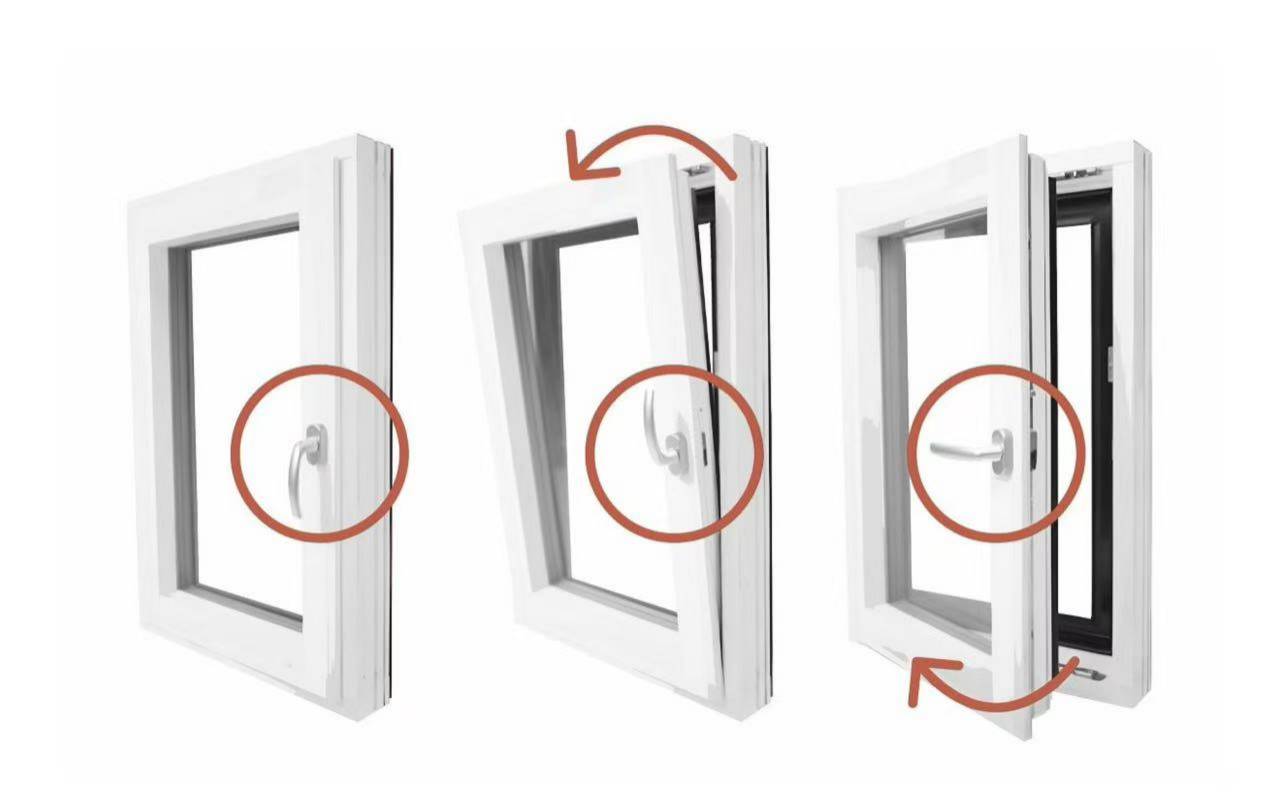
High-rise and mixed-use buildings often need controlled ventilation, safe inward cleaning, and reliable closing pressure. Aluminium tilt and turn windows can be considered when these points matter, but buyers should still check wind exposure, sash size, glass weight, and interior clearance.
Offices need ventilation and maintenance access. Hotels often care about noise control and stable indoor comfort. Schools and public buildings may focus more on safety, controlled opening, and durable hardware. For commercial aluminum windows, performance should be assigned by room function.
A final production schedule should be detailed enough for quotation review, sample checking, fabrication, packing, and site delivery.
| Schedule Item | What Buyers Should Confirm |
| Window code | Match each opening with drawings and floor plans |
| Location | Building side, floor, room, and elevation position |
| Quantity | Separate similar windows by actual configuration |
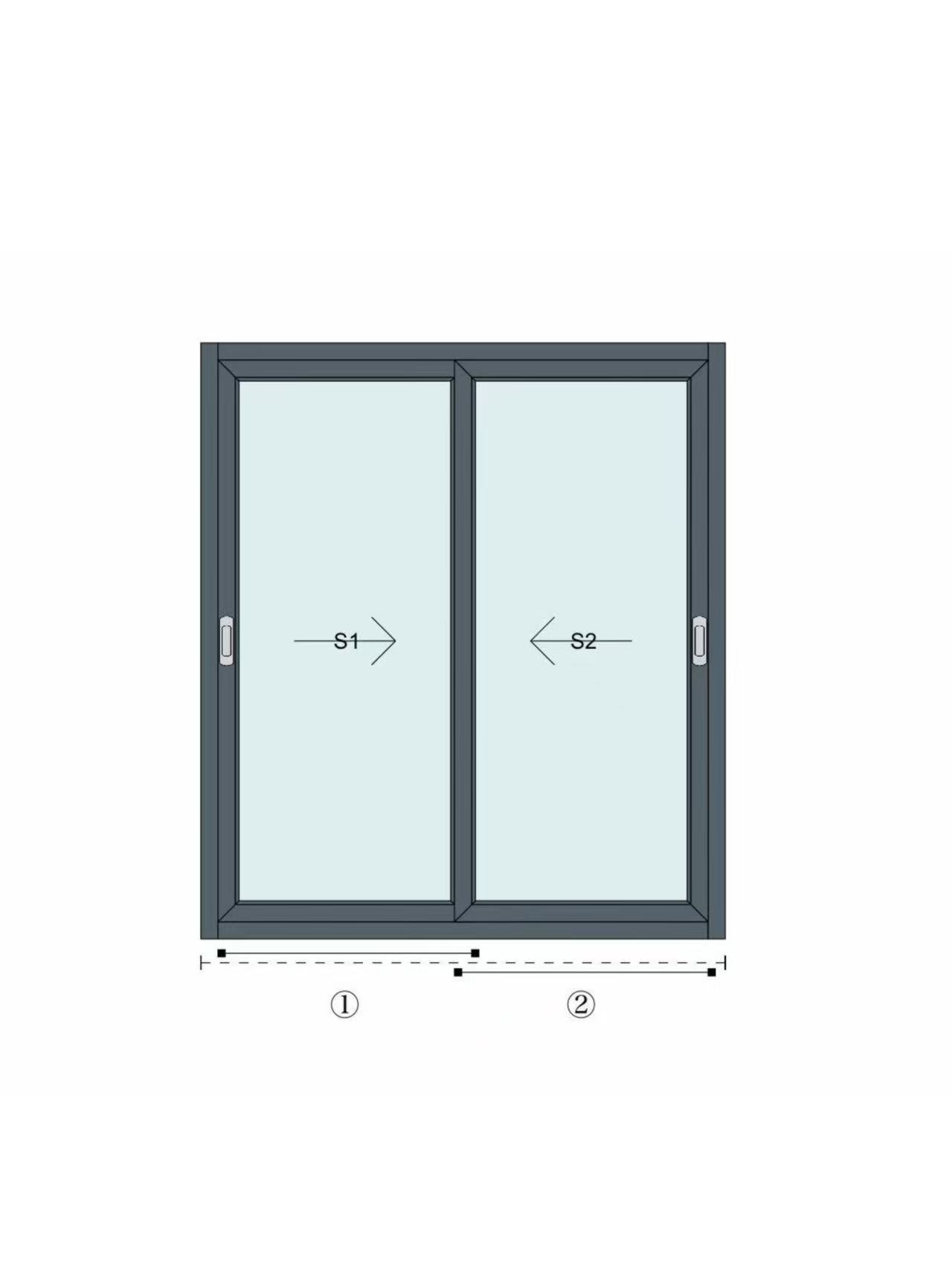
| Window type | Tilt and turn, fixed, casement, sliding, or awning |
| Opening direction | Tilt mode, turn mode, handle side, inward opening |
| Size | Rough opening, finished size, and sash limit |
| Frame material | Aluminum, PVC/UPVC, or confirmed project material |
| Glass package | Low-E, insulated, laminated, or tempered glass |
| Color and finish | White, black, brown, custom color, sample approval |
| Hardware | Multi-point lock, hinges, handle side, screen option |
| Performance notes | Airtightness, water resistance, thermal and acoustic insulation |
| Packaging | Room label, floor code, and delivery sequence |
| Final approval | Drawings, samples, quotation, and production confirmation |
For custom aluminum windows, this table should be checked before payment and production. A clear schedule also helps suppliers label packages by floor or room, which reduces sorting time on site.
The same logic applies to packing. Windows are usually easier to install when labels match floor numbers, room codes, and elevation marks. Clear packing instructions can save time during unloading and reduce the risk of moving the wrong unit to the wrong area.
After the main schedule items are clear, Yuxinyuntong can support buyers in matching product configuration to project needs. We usually review the window type, room function, sash size, glass package, color, and hardware before production details are closed.
Yuxinyuntong’s Tilt and Turn Window can be used as a reference option when buyers need dual-function ventilation, inward cleaning access, multi-point locking, Low-E, insulated, laminated, or tempered glass choices, and better air and water sealing for commercial or residential-commercial projects.
A reliable window schedule turns drawings into clear production information. Buyers should confirm window type, size, opening direction, glass package, frame material, color, hardware, performance notes, packaging labels, and approval status before production.
For commercial projects that need aluminum window schedule review before production, buyers can send drawings, window codes, opening sizes, glass requirements, and quantity details for configuration checking.
Q: What should be included in an aluminum window schedule?
A: It should include window code, location, quantity, size, opening type, opening direction, frame material, glass package, color, hardware, performance notes, packaging labels, and final approval status.
Q: Are tilt and turn windows suitable for commercial projects?
A: Yes. They can be considered for commercial buildings, high-rise apartments, offices, hotels, schools, and public facilities when the project needs secure ventilation, inward cleaning access, sealing performance, and flexible operation.
Q: What should buyers confirm before producing custom aluminum windows?
A: Buyers should confirm window size, opening direction, glass type, frame material, color, hardware, performance needs, packaging labels, and whether each window code matches project drawings.









Leave a comments