
Nullam dignissim, ante scelerisque the is euismod fermentum odio sem semper the is erat, a feugiat leo urna eget eros. Duis Aenean a imperdiet risus.
Nullam dignissim, ante scelerisque the is euismod fermentum odio sem semper the is erat, a feugiat leo urna eget eros. Duis Aenean a imperdiet risus.
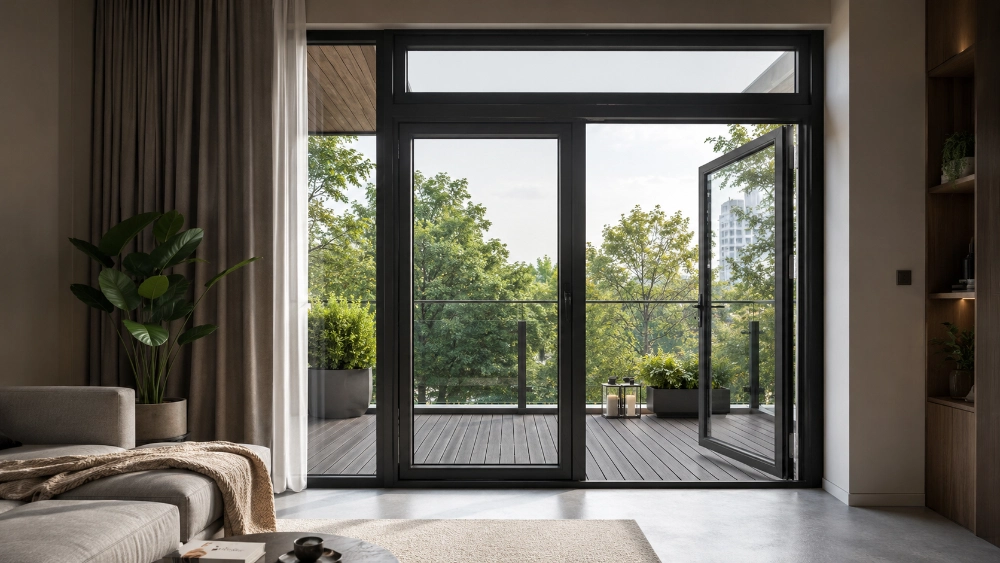
Balcony doors serve beyond just linking a room to an outdoor space. In modern apartments, they influence daylight, ventilation, privacy, noise control, energy use, and daily movement. A suitable system can improve comfort without altering the floor plan.
For numerous apartment projects, this door type delivers a useful balance between structure, sealing, and design flexibility. They may not fit every layout perfectly, particularly where swing clearance remains limited. Yet, they merit attention when a project calls for firmer closure, enhanced ventilation, and a tidier exterior connection.
A balcony entrance encounters greater pressure than many interior doors. It faces wind, rain, sunlight, humidity, temperature shifts, and regular use. At the same time, it stays within a living room, bedroom, or study, where comfort and appearance hold value.
This explains why buyers must avoid picking a balcony door based solely on appearance. The frame, glass, sealing system, hardware, opening direction, and installation precision all shape long-term performance.
Compact apartments frequently position sofas, curtains, desks, cabinets, or balcony plants near the door opening. Before opting for a hinged door, one must examine the swing path. The door needs to open without hindering furniture or constricting the main route.
For balcony access, a casement design functions optimally when the room provides adequate indoor or outdoor clearance. This arrangement forms a broad passage and a straightforward link between the room and balcony.
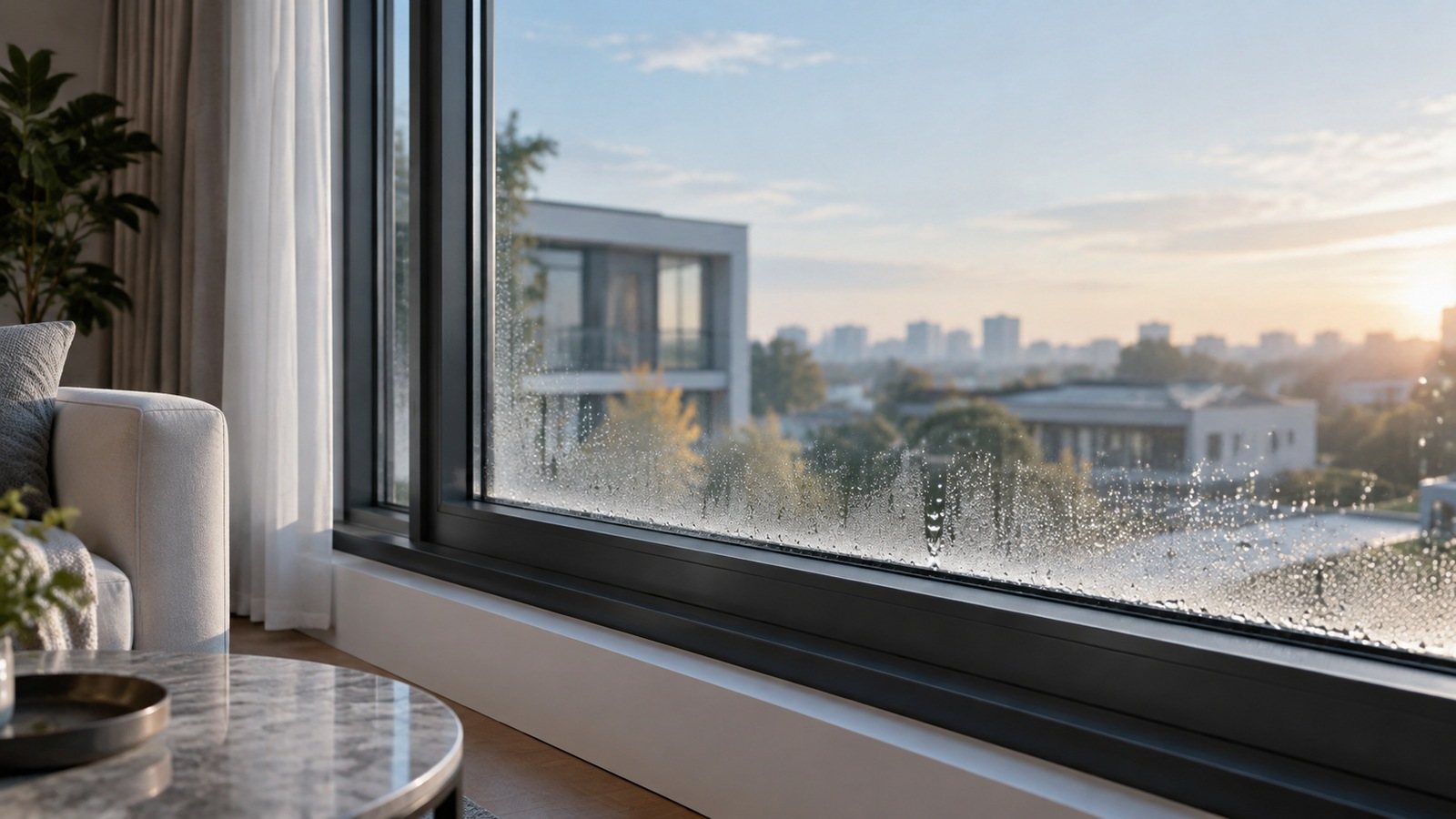
A balcony door commonly operates like a large window. It draws natural light into the room and permits fresh air to circulate. The task involves preserving this advantage while managing heat, cold, dust, rain, and noise during closure.
Quality aluminum balcony doors can accommodate larger glass areas while ensuring frame stability. For high-rise, coastal, or open balcony layouts, dependable air tightness, water resistance, and wind resistance gain key importance.
A casement door hinges on one side and swings inward or outward. Some apartments need better sealing and wider openings. In those cases, this style may perform better than a basic sliding system in sealing-focused layouts. Instead of gliding along a track, the door leaf presses into the frame when it closes. And this action helps create a firmer seal around the edges.
This aluminum casement design suits balcony spots quite well. There, people often want better airflow, reliable shutting, and a neat, current appearance. But their real value depends on the whole setup. It goes beyond just how they open.
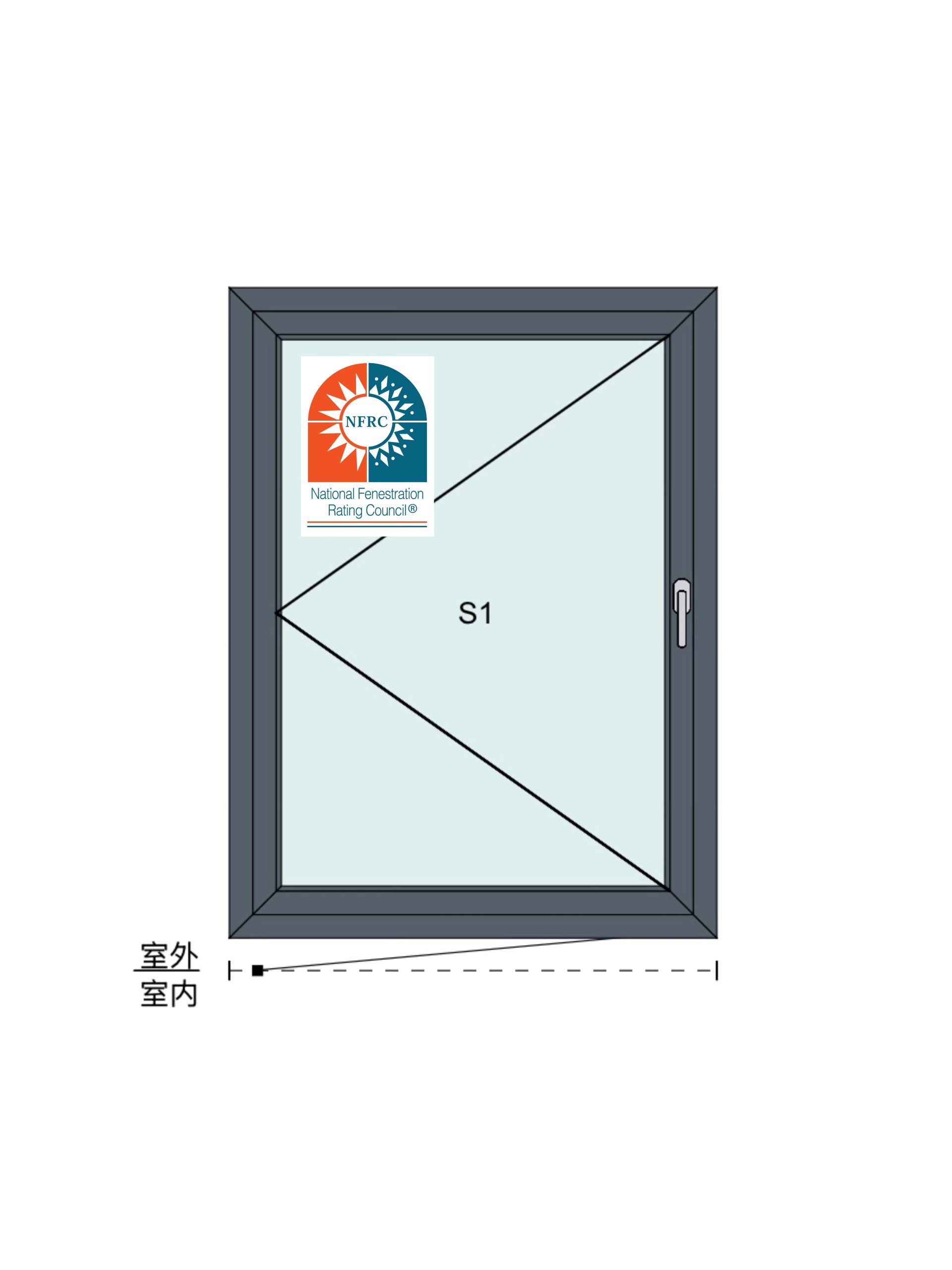
The side-hinged structure permits the door leaf to swing open as a single panel. This setup generates a clear opening for fresh air, walking access, and daily movement between the room and the balcony. It also eases inspection of hinges, handles, locks, and seals.
The opening direction requires early determination. Inward opening could offer easier operation from inside the apartment. Meanwhile, outward opening can safeguard indoor floor space if the balcony layout supports it.
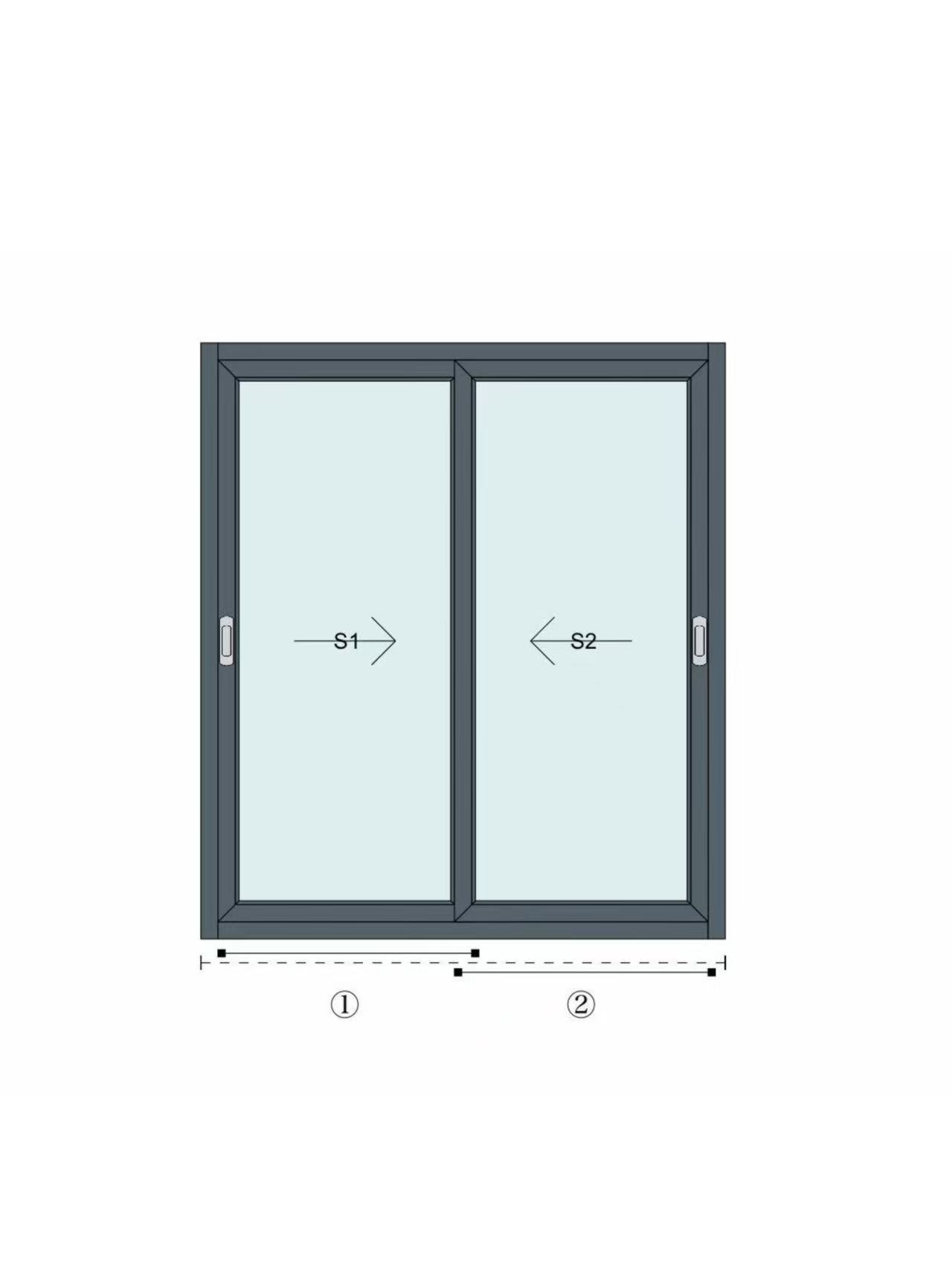
If the balcony proves very narrow or the interior layout provides no swing clearance, a sliding door could offer more practicality. It travels along a track and avoids any swing arc.
However, sliding systems often require extra care around tracks and lower seals. Dust, water, and worn rollers might impact long-term operation. The suitable choice rests on space, climate, user habits, and project priorities.
A balcony door demands assessment as a full system. The frame, glass, insulation, seals, locks, and hardware must operate in unison. This aspect holds particular weight for energy efficient balcony doors, where one weak element can lessen the value of the entire assembly.
Aluminum finds broad application because it stays strong, corrosion-resistant, and appropriate for slim modern profiles. For exterior-facing apartment doors, standard aluminum might prove insufficient in climates with notable heat or cold transfer. A thermal break structure assists in curbing heat movement through the frame.
Thermal break aluminum doors incorporate an insulating barrier between the inner and outer aluminum sections. This method aids in enhancing indoor comfort and bolstering energy performance. In apartment projects where heating or cooling costs pose concerns, this feature deserves inclusion in the specification.
Glass selection shapes comfort, safety, and appearance. Low-E glass helps curb heat transfer. Insulated glass can elevate thermal and acoustic performance. Laminated glass contributes safety because the interlayer aids in retaining glass fragments after breakage. Tempered glass heightens impact resistance and sees common use in door systems.
Clear glass matches living room balconies with open views. Frosted or tinted glass could match bedrooms, dense residential areas, or balconies facing nearby buildings.
The sealing system directly shapes drafts, water seepage, sound control, and indoor comfort. EPDM weather strips, precise frame joints, and well-compressed seals assist the door in achieving tighter closure.
Hardware governs daily operation. Hinges must bear the door weight smoothly, handles should stay stable, and locks should engage firmly. A multi-point locking system can bolster security and aid in pressing the door leaf against the frame at multiple points. This supports both anti-prying performance and sealing.
Both casement and sliding doors can suit apartment balconies. The preferable option depends on layout and performance goals. A sliding door preserves swing space, while a casement door can offer stronger closure and a wider single opening.
For buyers evaluating energy efficient balcony doors, the casement format typically excels when matched with thermal break profiles, insulated glass, and high-quality seals. Nevertheless, the final choice must factor in furniture layout, balcony width, façade rules, and user habits.
Casement doors generally possess an edge in sealing because the door leaf closes against the frame. When linked with proper gaskets and multi-point locks, the system can minimize unwanted air movement around the perimeter.
Sliding doors depend on track movement, brushes, and overlapping panels. They preserve space, but tracks demand regular cleaning and inspection to uphold smooth operation and sealing. The practical step stays straightforward: measure the clear opening, furniture distance, curtain position, and balcony usable area before choosing the door type.
A well-constructed balcony door should foster comfort, safety, and enduring use. This area emphasizes product configuration over the door type itself.
For projects seeking a practical exterior and interior door solution, Yuxinyuntong supplies aluminum door and window systems for residential and commercial building needs. The emphasis should persist on selecting the right configuration rather than applying one door type universally.
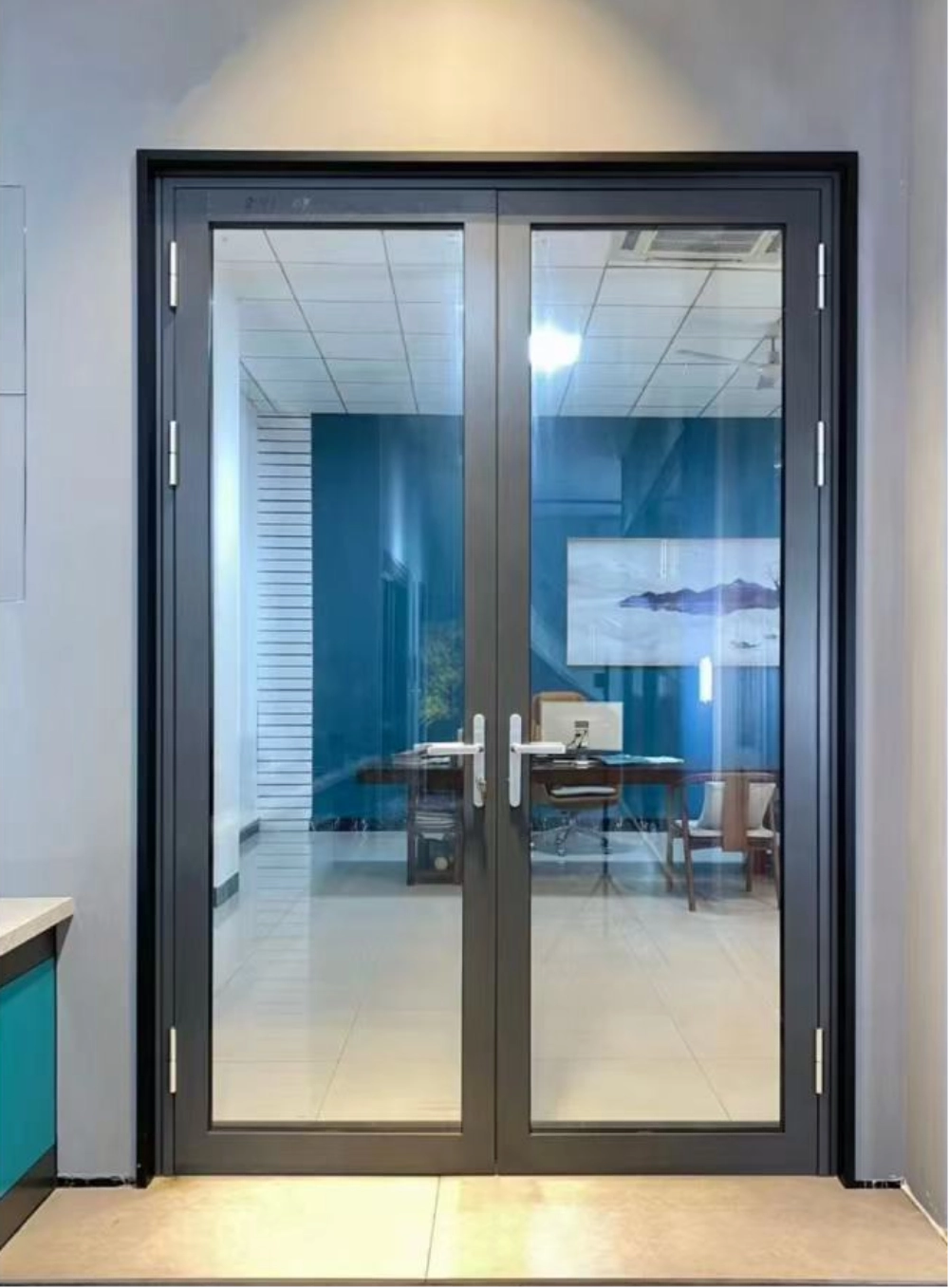
The Multi-Functional Broken Bridge Aluminum Casement Door is suitable for both interior and exterior applications. It uses insulated aluminum profiles along with PA66 nylon insulation strips. These features improve thermal performance and wind resistance. The hinge setup allows the door to swing in or out. This gives designers more choices for balcony and entrance designs.
The door works with Low-E, insulated, laminated, and tempered glass options. You can choose different insulated glass configurations with Low-E glass, laminated glass, tempered glass, or multi-layer glazing depending on thermal insulation, safety, privacy, and sound control needs. Frame colors cover white, black, brown, and more choices. The largest sash size reaches 1500mm × 1800mm. All these aspects make the system suitable for balcony connections, sunrooms, storefronts, villa entrances, and upscale window and door projects.
The product includes heavy-duty load-bearing hinges and a multi-point locking system. These components support smoother operation. They also provide safer closing and better anti-theft performance. Coex wire seal and EPDM foam weather strips help increase moisture resistance. They reduce the chance of seepage too.
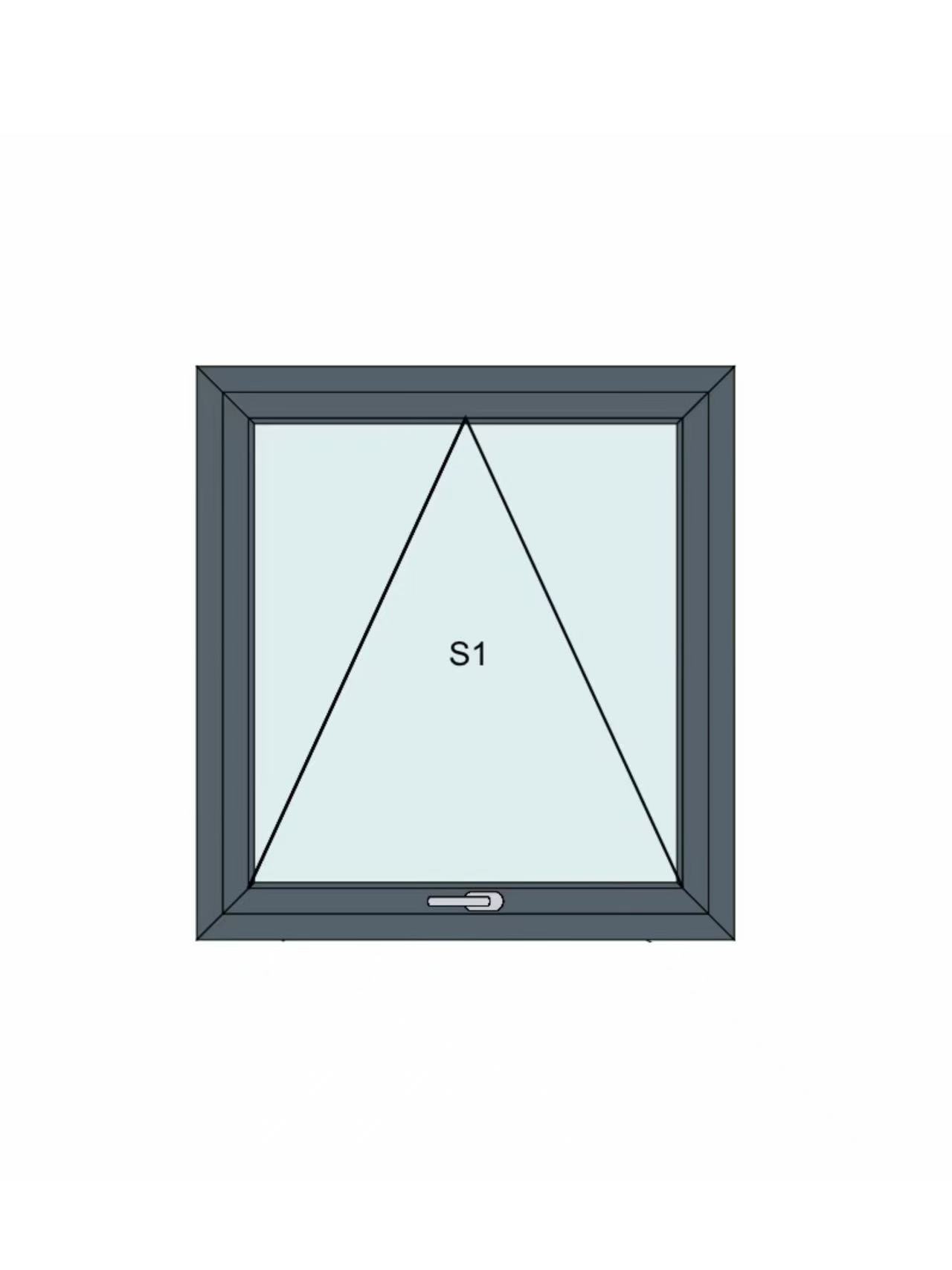
For related frame and opening options, buyers can examine broader window and door systems before determining if a casement, sliding, tilt-turn, or fixed unit suits the project better.
Many door issues arise from initial decisions, not the product category itself. A sound selection process should eliminate preventable risks prior to production or installation.
A slim frame and clear glass may appear appealing, but appearance alone fails to verify performance. Buyers should inspect profile strength, thermal break structure, glass type, hinge quality, locking method, sealing system, and project requirements.
A door in a dry inland apartment does not confront the same conditions as one near the sea or on a high-rise façade. Coastal moisture, intense sunlight, heavy rain, and wind exposure all influence material and glass selections.
Thermal break aluminum doors provide a superior match when the project demands stronger insulation and steadier indoor comfort. In hot, cold, rainy, or windy regions, the door specification requires adjustment before ordering.
Even a sturdy product may falter if the opening undergoes poor measurement or the frame experiences off-level installation. Installation impacts air tightness, drainage, locking alignment, and enduring smoothness.
Before production, verify wall opening size, sill condition, swing direction, floor height, and sealing method. Renovation projects might necessitate additional wall checks.
Selecting a balcony door should commence with practical questions. Is the balcony narrow or spacious? Does the room require stronger ventilation? Is privacy essential? Does the project demand improved thermal performance?
Aluminum casement doors can represent a robust choice for modern apartments needing reliable sealing, clean design, flexible glass choices, and smooth daily use. They prove particularly practical when the project features sufficient swing clearance and elevated expectations for comfort, security, and energy performance.
For apartment developers, contractors, and renovation buyers seeking assistance in matching door size, glass configuration, opening direction, and performance requirements, send project details to our team.
Q:Are hinged aluminum doors suitable for small apartment balconies?
A:They suit when the room or balcony offers enough swing clearance. If the space proves too narrow, a sliding door might offer more practicality. For improved sealing, ventilation, and security, a casement design merits consideration.
Q:What glass works best for apartment balcony doors?
A:Low-E insulated glass serves well for thermal comfort. Laminated glass improves safety. Frosted or tinted glass supports privacy. The best selection depends on sun exposure, noise level, privacy needs, and local climate.
Q:Why choose thermal break aluminum doors for balcony areas?
A:They limit heat transfer through the frame. They also help in boosting indoor comfort. When paired with quality glass, weather strips, and multi-point locks, they promote improved energy efficiency, sealing, and enduring performance.









Leave a comments