
Nullam dignissim, ante scelerisque the is euismod fermentum odio sem semper the is erat, a feugiat leo urna eget eros. Duis Aenean a imperdiet risus.
Nullam dignissim, ante scelerisque the is euismod fermentum odio sem semper the is erat, a feugiat leo urna eget eros. Duis Aenean a imperdiet risus.
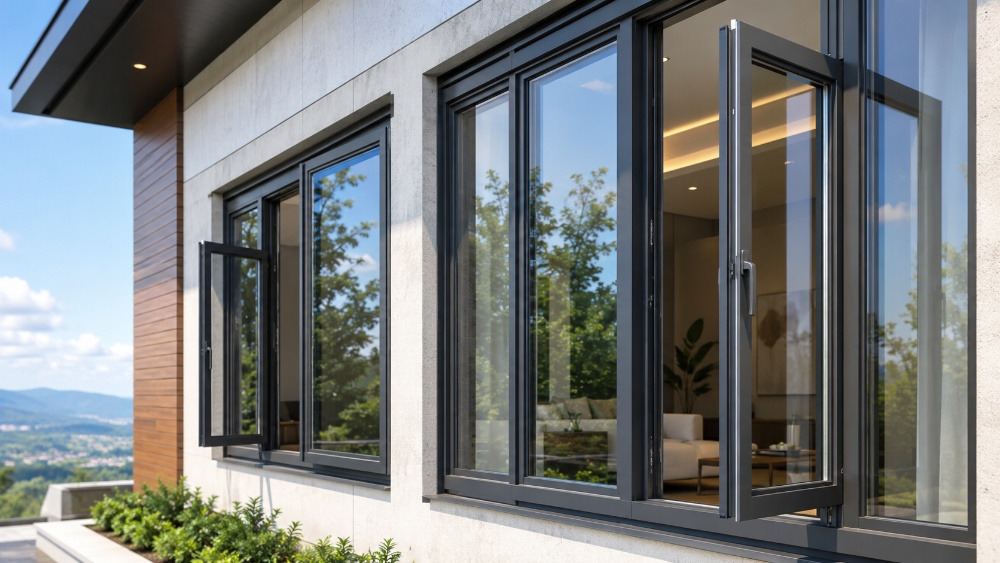
A good window order starts with project conditions, not with a product name. Buyers need to know whether the window fits the building climate, opening space, energy target, installation plan, and daily use pattern. Thermal break aluminum casement windows are a strong option when a project needs tight sealing, controlled ventilation, and durable aluminum-frame performance, but they should still be compared with sliding, awning, and fixed windows before quotation.
Window selection becomes weak when buyers only compare frame color, price, or a single product photo. These details matter, but they should come after climate exposure, building height, room use, opening clearance, and performance needs. A low-rise home, a windy apartment tower, a coastal hotel, and an office renovation may all need different window combinations.
Rain, wind, coastal air, strong sunlight, and outdoor noise all shape the final selection. Buyers working on demanding projects need to review air tightness, water tightness, corrosion resistance, glass type, sealing quality, and hardware strength. A window does not become energy efficient simply because it uses aluminum. The profile structure, thermal break material, glazing, and installation fit must work together as a complete system.
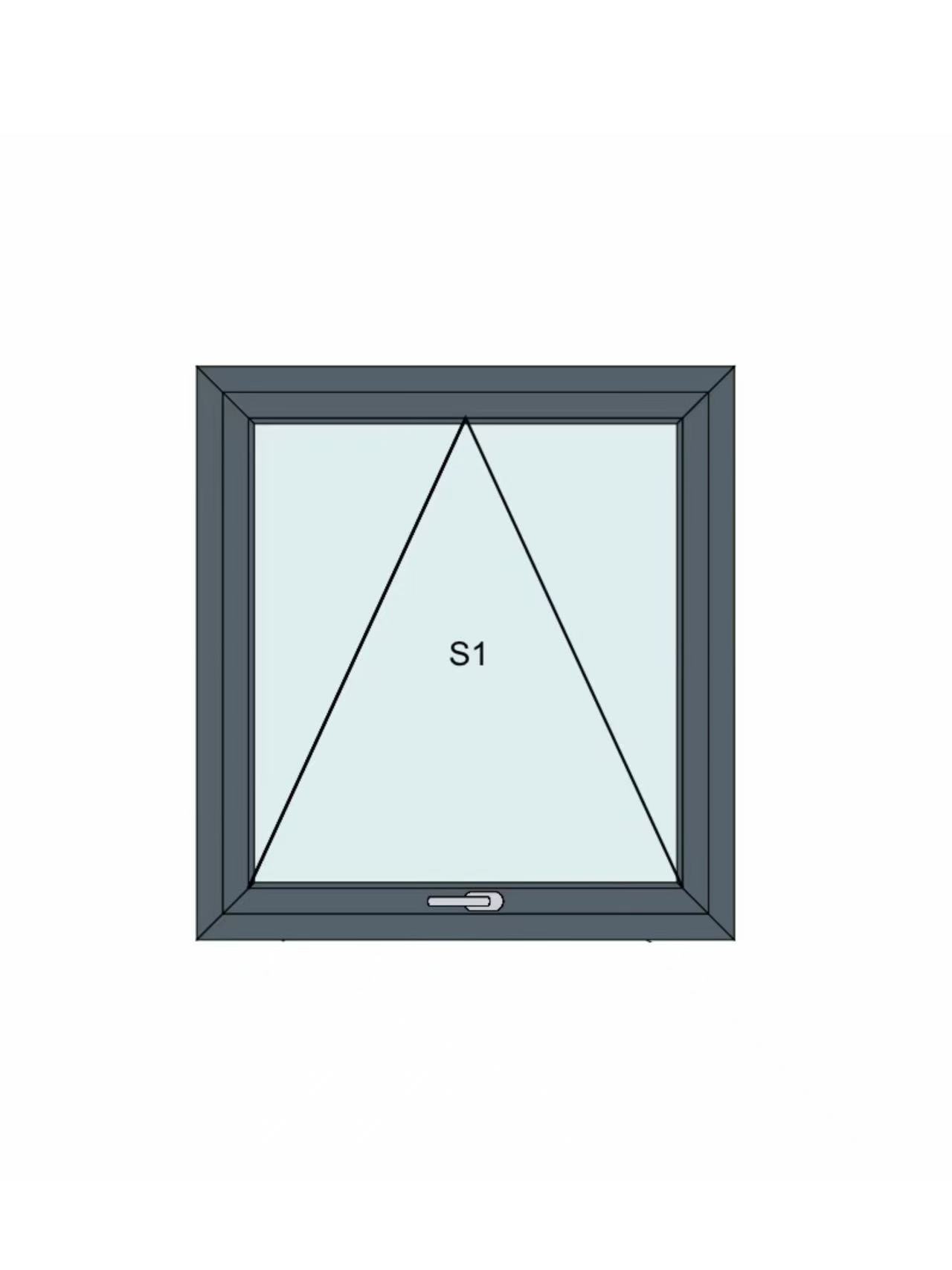
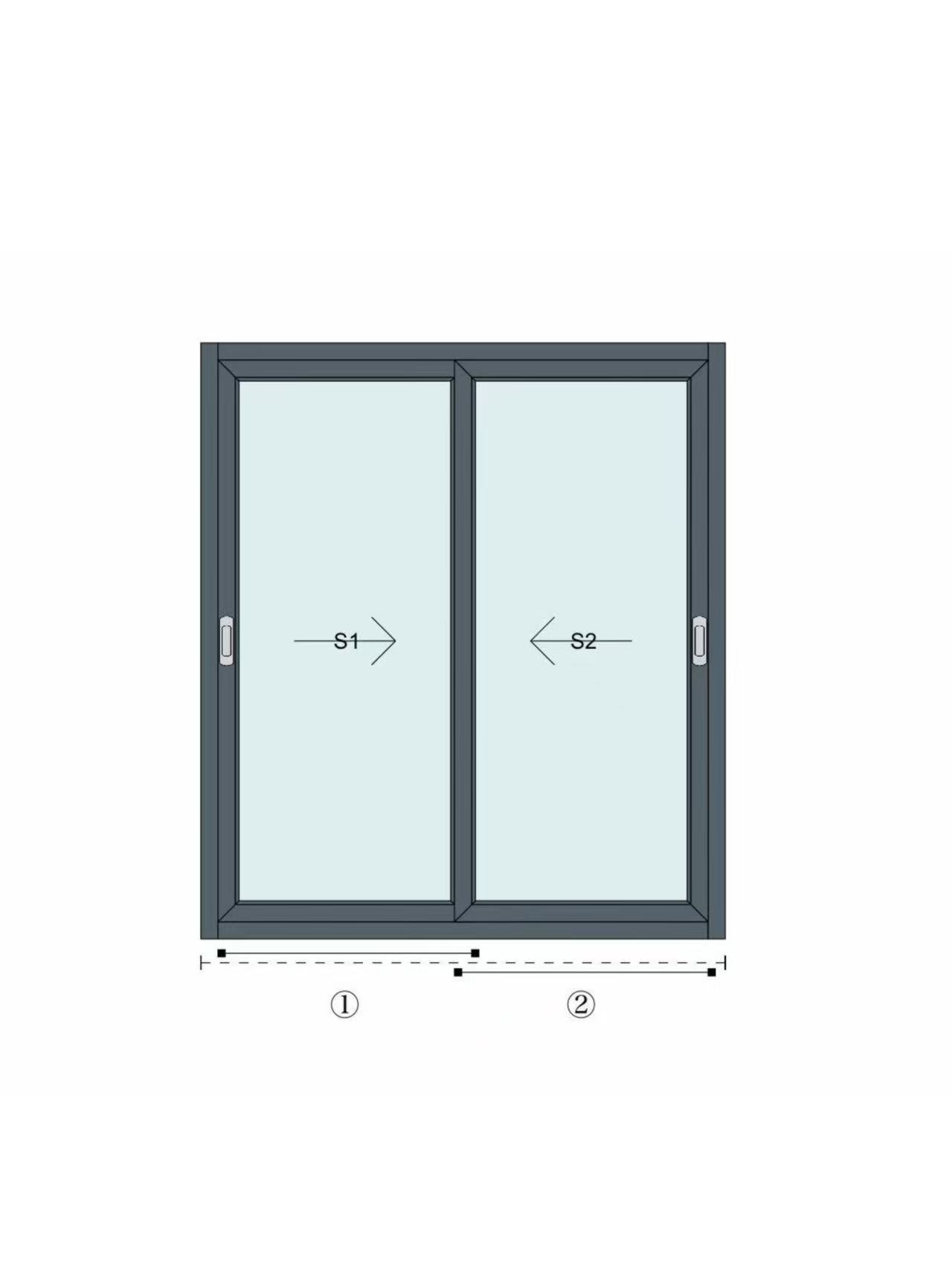
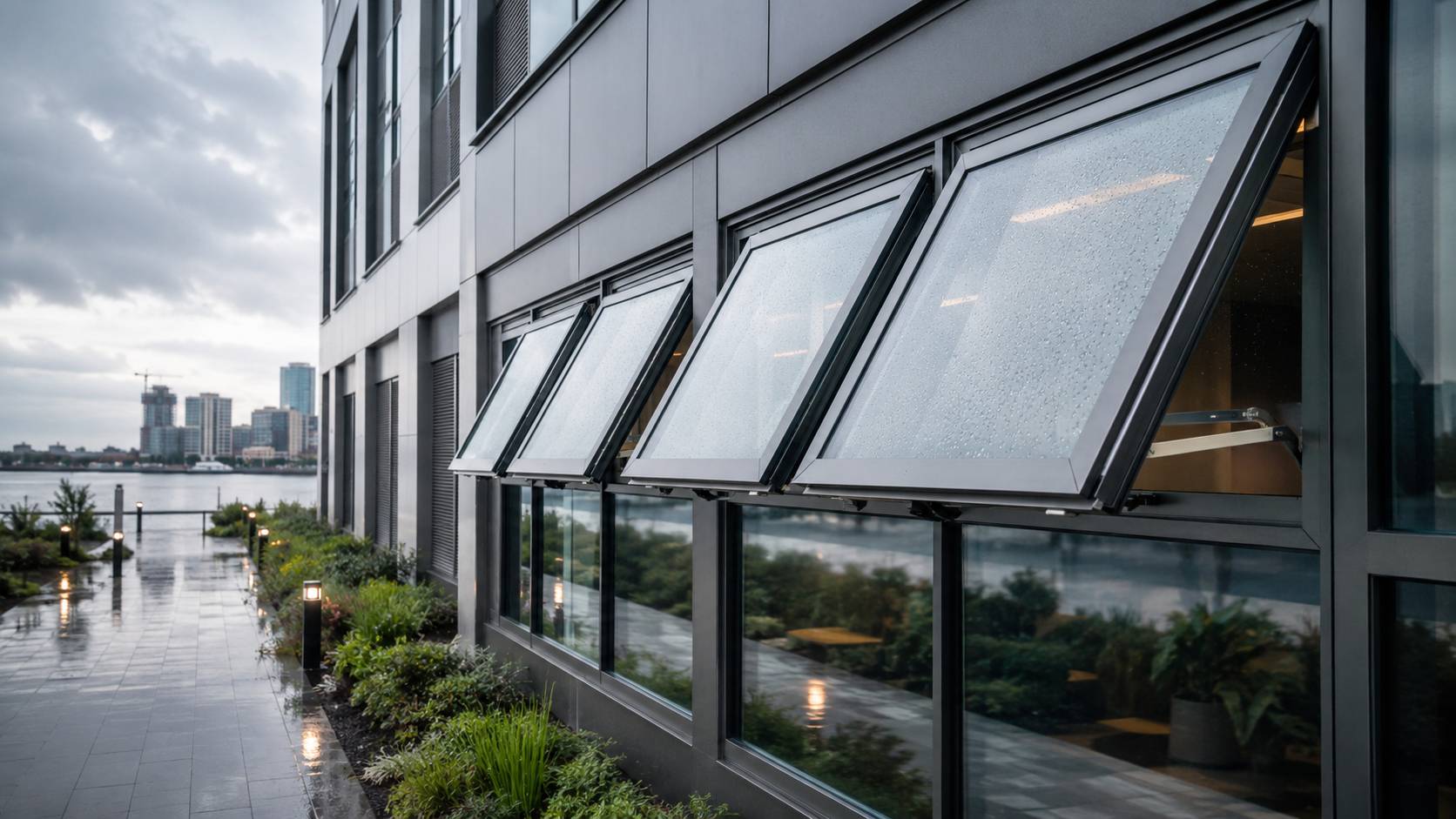
Casement windows require space to open inward or outward. This suits bedrooms, offices, living rooms, and similar spaces. In these areas, both good airflow and tight sealing matter. Sliding windows work well for small balconies or rooms where furniture blocks the way. The sash slides sideways in these cases. Awning windows fit kitchens or bathrooms. They allow ventilation even during light rain.
A buyer should first ask what problem the window must solve. If the project mainly needs daylight, a fixed window may be enough. If the project needs a wide opening without swing clearance, sliding may be better. If the goal is a balance of ventilation, insulation, sealing, and security, this window type deserves closer review.
Energy efficient casement windows usually perform well because the sash presses firmly against the frame when closed. This helps reduce air leakage compared with window types that rely more heavily on sliding tracks. For projects that care about u-value, the frame and glass should be reviewed together. A thermal break aluminum frame reduces heat transfer through the profile, while Low-E insulated glass can improve the whole window’s thermal behavior.
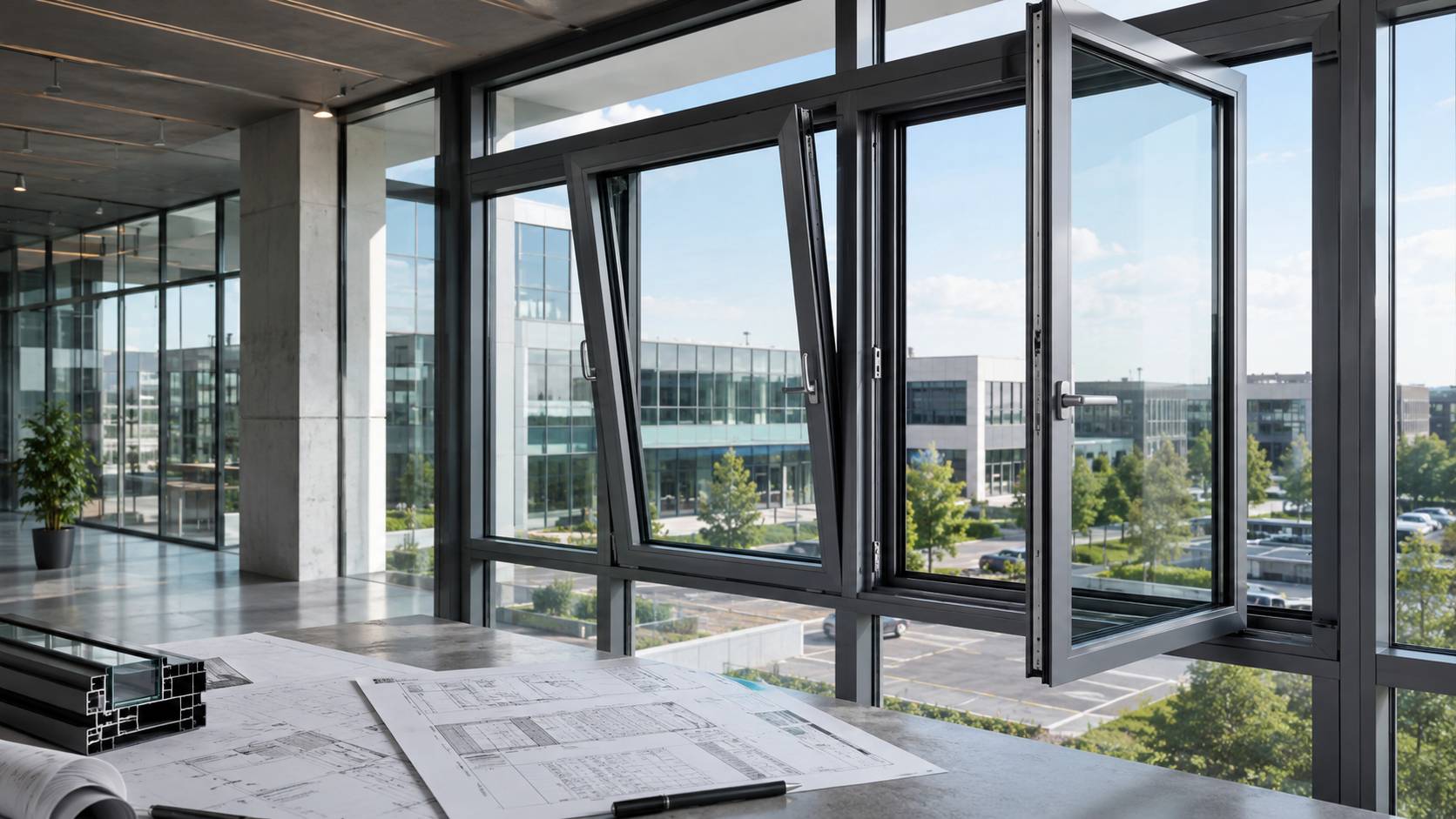
A side-hinged sash can catch side breezes and guide fresh air into the room. The opening angle can also be adjusted for daily comfort. When closed, a well-built casement window compresses the seals around the sash, which supports air and water tightness. In urban apartments, offices, and street-facing buildings, this sealing design can also help improve acoustic comfort, depending on the glass and installation quality.
No window type is the right answer for every project. A simple comparison helps buyers avoid paying for features they do not need or choosing a low-cost option that creates comfort and maintenance problems later.
| casement window | homes, apartments, offices, renovations | strong sealing, ventilation, flexible glass options | needs opening clearance |
| sliding window | compact apartments, balconies, tight rooms | space-saving and easy operation | track sealing and sash fit should be checked carefully |
| awning window | bathrooms, kitchens, rainy climates | ventilation during light rain | smaller opening area |
| fixed window | view areas, high walls, window combinations | daylight and fewer moving parts | no natural ventilation |
In many projects, the best solution is a mixed window plan. Buyers may use casement windows for occupied rooms, sliding windows for space-restricted openings, awning windows for wet areas, and fixed windows for large daylight zones.
A professional inquiry should include more than size and quantity. The more complete the project information, the easier it is to recommend the right configuration and reduce later changes.
Low u-value aluminum windows rely on the connection between the aluminum profile and the insulation barrier. Standard aluminum transfers heat rapidly. Thermal break profiles insert an insulating strip between the inner and outer aluminum sections. This setup cuts down on heat transfer. Buyers need to check several aspects. These include the profile material, its thickness, the material used for the thermal break, how corners connect, and the surface finish. All these factors influence the overall strength, insulation performance, and how long the windows last.
Glass plays a key role in how well a window performs overall. This effect equals that of the frame. Several glass types stand out as common options. Tempered glass improves safety levels. Laminated glass adds strong impact resistance and better sound control. Insulated glass raises thermal efficiency. Low-E glass supports energy-saving goals in many projects. Double glazing meets the needs of most residential and commercial buildings. Triple glazing works well when stronger insulation or acoustic control becomes necessary.
Casement windows rely on hinges, handles, locking points, sealing strips, and precise installation. A strong frame will not perform well if the sash does not close evenly or if the wall opening is poorly prepared. Buyers should confirm opening direction, sash size, wind exposure, drainage design, and maintenance access before finalizing the order.
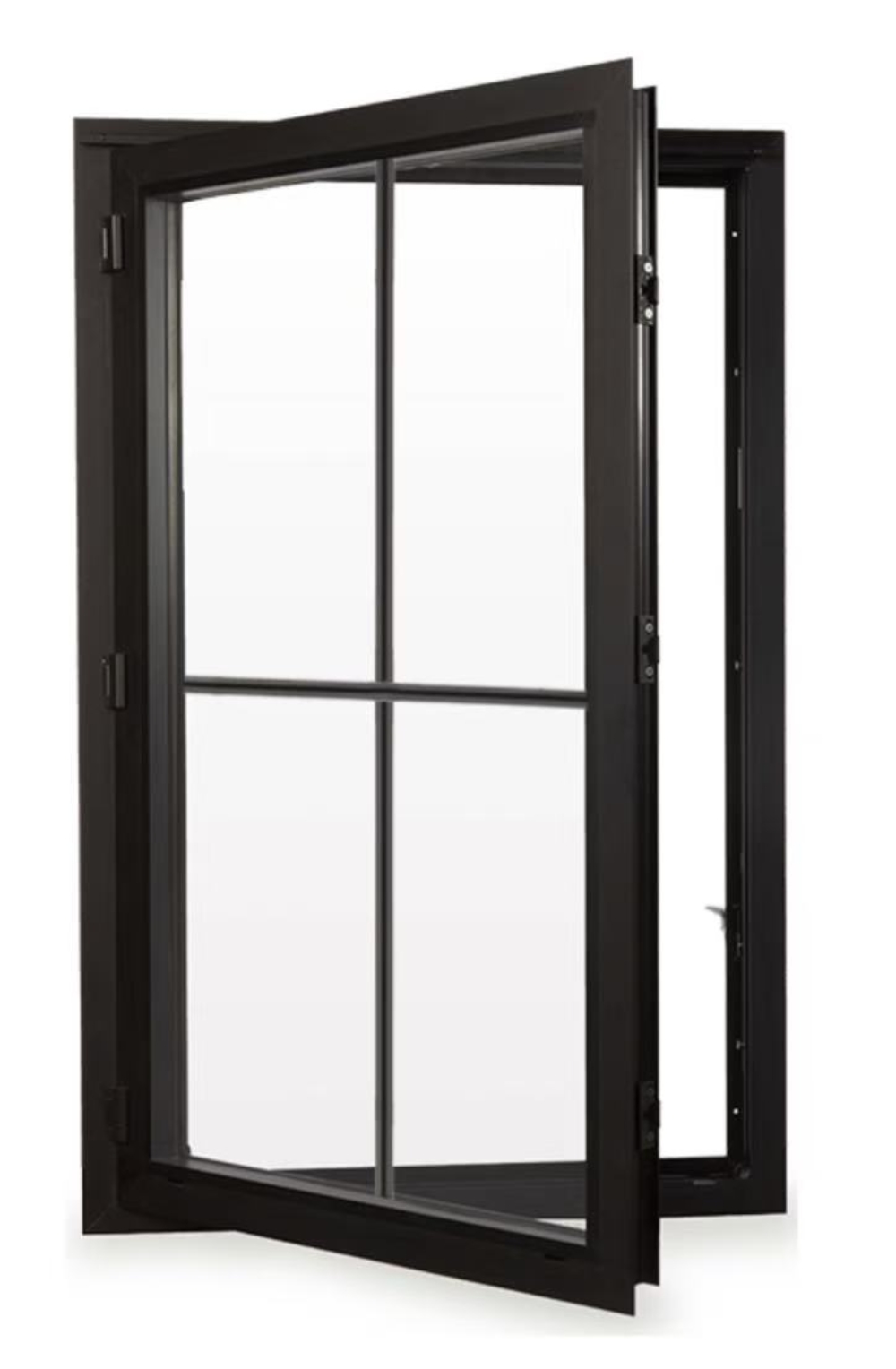
For buyers comparing different window systems, Yuxinyuntong can support projects that need multiple opening options rather than one isolated product. The available window range includes picture, casement, awning, tilt and turn, single or double hung, sliding, and special shape options, which allows a project to combine several window types under one planning logic.
The Casement Window is the most relevant option when the project requires side-hinged ventilation, thermal break aluminum profiles, and stronger sealing than a basic sliding layout. It uses thermally broken aluminum profiles with polyamide nylon strips, supports inward or outward side-hinged opening, and is designed for stability, wind-load resistance, air tightness, water tightness, thermal insulation, and acoustic insulation. Available glass options include Low-E, insulated, laminated, and tempered glass.
This product is suitable for residential homes, apartments, commercial buildings, and renovation projects that need reliable ventilation without giving up energy performance. It is not always the right answer for very narrow openings or areas where the sash cannot swing safely. In those cases, buyers should compare it with the broader window product range before deciding.
Before requesting a quote, buyers should prepare a clear brief. This improves quotation accuracy and helps the supplier recommend a practical window system instead of a generic product.
A clear brief helps avoid gaps between design ideas and actual production setup. For example, a buyer may ask for energy-efficient casement windows. The final result depends on the frame, glass, sealing, hardware, and installation together. When these points are reviewed early, the quotation becomes easier to compare. The project risk becomes lower.
Thermal break aluminum casement windows work well in projects that require controlled ventilation. They also deliver improved sealing along with strong thermal insulation. At the same time, the aluminum frame ensures lasting performance. These windows suit buyers who seek comfort and energy savings while keeping daily operation straightforward. Project teams should still review key factors such as available space, climate exposure, glass setup, hardware quality, and installation conditions before making a final choice.
For a project-specific configuration, buyers can send project details to our team with drawings, sizes, opening needs, glass preferences, and performance targets. We can review the basic requirements and suggest a suitable window configuration before quotation, helping buyers compare options more clearly and reduce unnecessary revisions during procurement.
Q: Are thermal break casement windows better than sliding windows for energy-saving projects?
A: Thermal break casement windows often perform better when strong sealing and high air tightness matter most. The sash presses firmly against the frame in the closed position. Sliding windows can still suit projects that face tight space limits for opening or call for simple side-to-side operation.
Q: What should buyers check before ordering an aluminum casement window system?
A: Buyers need to review several points before they order an aluminum casement window system. These cover the thermal break structure, glass configuration, and u-value target. They must also confirm air tightness, water tightness, wind-load resistance, hardware quality, opening direction, and installation conditions on site.
Q: Which projects are suitable for energy efficient casement windows?
A: Energy efficient casement windows suit residential homes, apartments, offices, commercial buildings, and renovation projects. These settings value effective ventilation, solid insulation, sound control, and long-term durability.








Leave a comments