
Nullam dignissim, ante scelerisque هو euismod fermentum odio Sem semper the is erat, a feugiat leo urna eget eros. سيم سيمبر إيس إيرات دويس إينيانimperdiet risos.
Nullam dignissim, ante scelerisque هو euismod fermentum odio Sem semper the is erat, a feugiat leo urna eget eros. سيم سيمبر إيس إيرات دويس إينيانimperdiet risos.
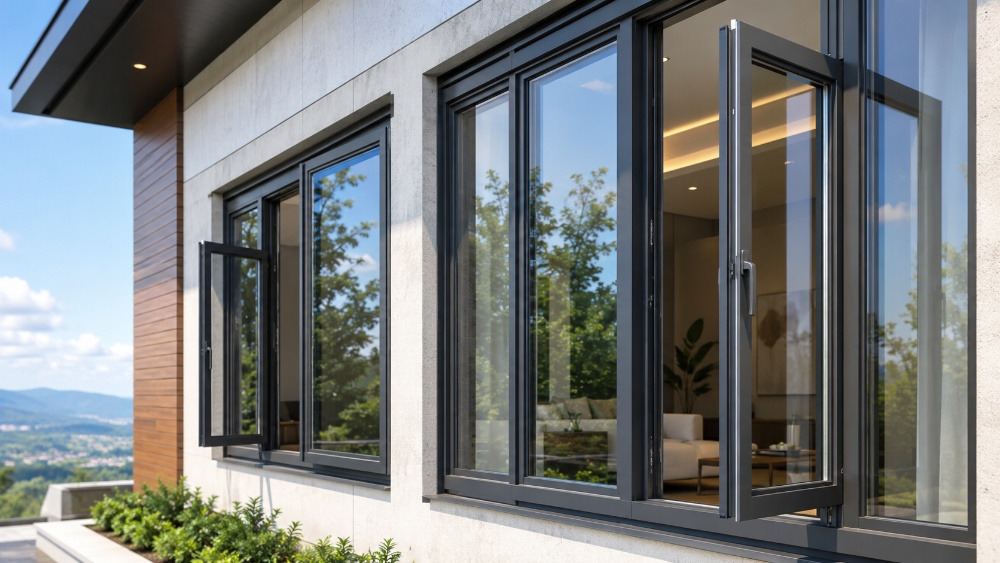
يبدأ اختيار النوافذ المناسبة بدراسة ظروف المشروع، وليس باسم المنتج. يحتاج المشترون إلى معرفة ما إذا كانت النافذة ملائمة لمناخ المبنى، ومساحة الفتح، وهدف كفاءة الطاقة، وخطة التركيب، ونمط الاستخدام اليومي. تُعدّ نوافذ الألمنيوم المفصلية ذات العزل الحراري خيارًا ممتازًا عندما يتطلب المشروع إحكامًا تامًا، وتهوية مضبوطة، وأداءً متينًا لإطار الألمنيوم، ولكن ينبغي مقارنتها بالنوافذ المنزلقة، والنوافذ المائلة، والنوافذ الثابتة قبل طلب عرض السعر.
يصبح اختيار النوافذ غير مُجدٍ عندما يكتفي المشترون بمقارنة لون الإطار أو السعر أو صورة واحدة للمنتج. صحيح أن هذه التفاصيل مهمة، لكن ينبغي أخذها في الاعتبار بعد عوامل أخرى كالتعرض للظروف المناخية، وارتفاع المبنى، واستخدام الغرفة، ومساحة الفتح، ومتطلبات الأداء. فمنزل منخفض الارتفاع، وبرج سكني معرض للرياح، وفندق ساحلي، وتجديد مكتب، قد تتطلب جميعها تركيبات نوافذ مختلفة.
تؤثر عوامل عديدة، كالمطر والرياح وهواء الساحل وأشعة الشمس القوية والضوضاء الخارجية، على الاختيار النهائي. يحتاج المشترون الذين يعملون على مشاريع تتطلب دقة عالية إلى مراجعة خصائص إحكام الهواء والماء، ومقاومة التآكل، ونوع الزجاج، وجودة العزل، ومتانة الأجزاء المعدنية. لا تصبح النافذة موفرة للطاقة لمجرد استخدامها الألومنيوم، بل يجب أن تتكامل بنية الإطار، ومادة العزل الحراري، والزجاج، وتركيبها كنظام متكامل.
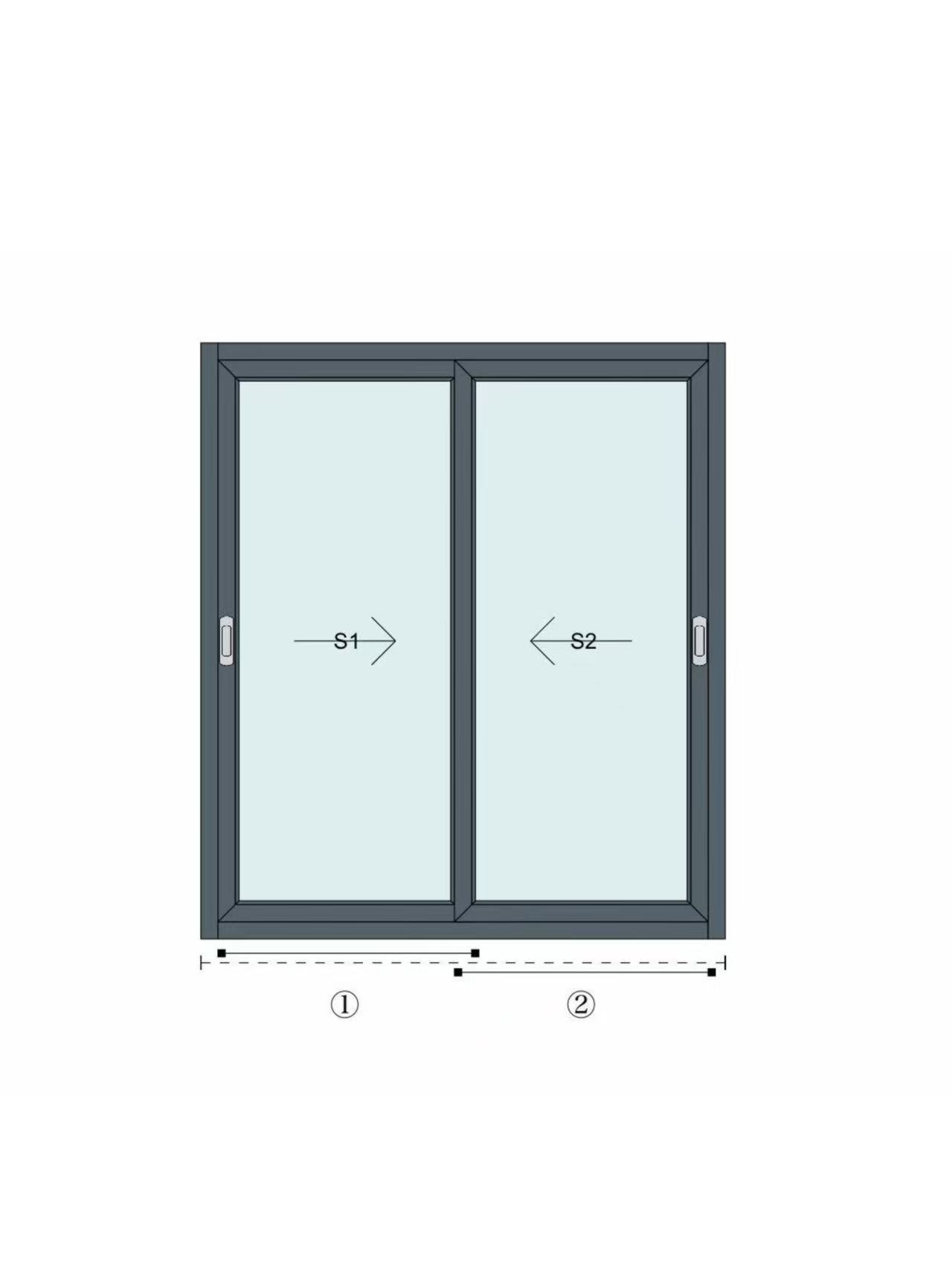
تتطلب النوافذ المفصلية مساحة كافية لفتحها للداخل أو للخارج، وهي مناسبة لغرف النوم والمكاتب وغرف المعيشة وما شابهها. في هذه الأماكن، يُعدّ كلٌّ من تدفق الهواء الجيد وإحكام الإغلاق أمرًا بالغ الأهمية. أما النوافذ المنزلقة، فهي مثالية للشرفات الصغيرة أو الغرف التي تعيقها قطع الأثاث، حيث ينزلق إطارها جانبيًا. بينما تُناسب النوافذ العلوية المطابخ والحمامات، إذ تسمح بالتهوية حتى في حالة هطول أمطار خفيفة.
ينبغي على المشتري أولاً أن يسأل عن المشكلة التي يجب أن يحلها النافذة. إذا كان المشروع يتطلب ضوء النهار بشكل أساسي، فقد تكون النافذة الثابتة كافية. أما إذا كان المشروع يتطلب فتحة واسعة دون مساحة كافية للفتح، فقد تكون النافذة المنزلقة أفضل. وإذا كان الهدف هو تحقيق توازن بين التهوية والعزل والإغلاق والأمان، فإن هذا النوع من النوافذ يستحق دراسة متأنية.
تتميز النوافذ المفصلية الموفرة للطاقة بأداء جيد عادةً، لأن إطارها يضغط بإحكام على الإطار الخارجي عند إغلاقه. وهذا يقلل من تسرب الهواء مقارنةً بأنواع النوافذ التي تعتمد بشكل أكبر على المسارات المنزلقة. في المشاريع التي تُعنى بقيمة معامل انتقال الحرارة (U-value)، ينبغي مراجعة الإطار والزجاج معًا. يقلل إطار الألمنيوم العازل للحرارة من انتقال الحرارة عبر الإطار، بينما يُحسّن الزجاج العازل منخفض الانبعاثية (Low-E) من الأداء الحراري للنافذة ككل.
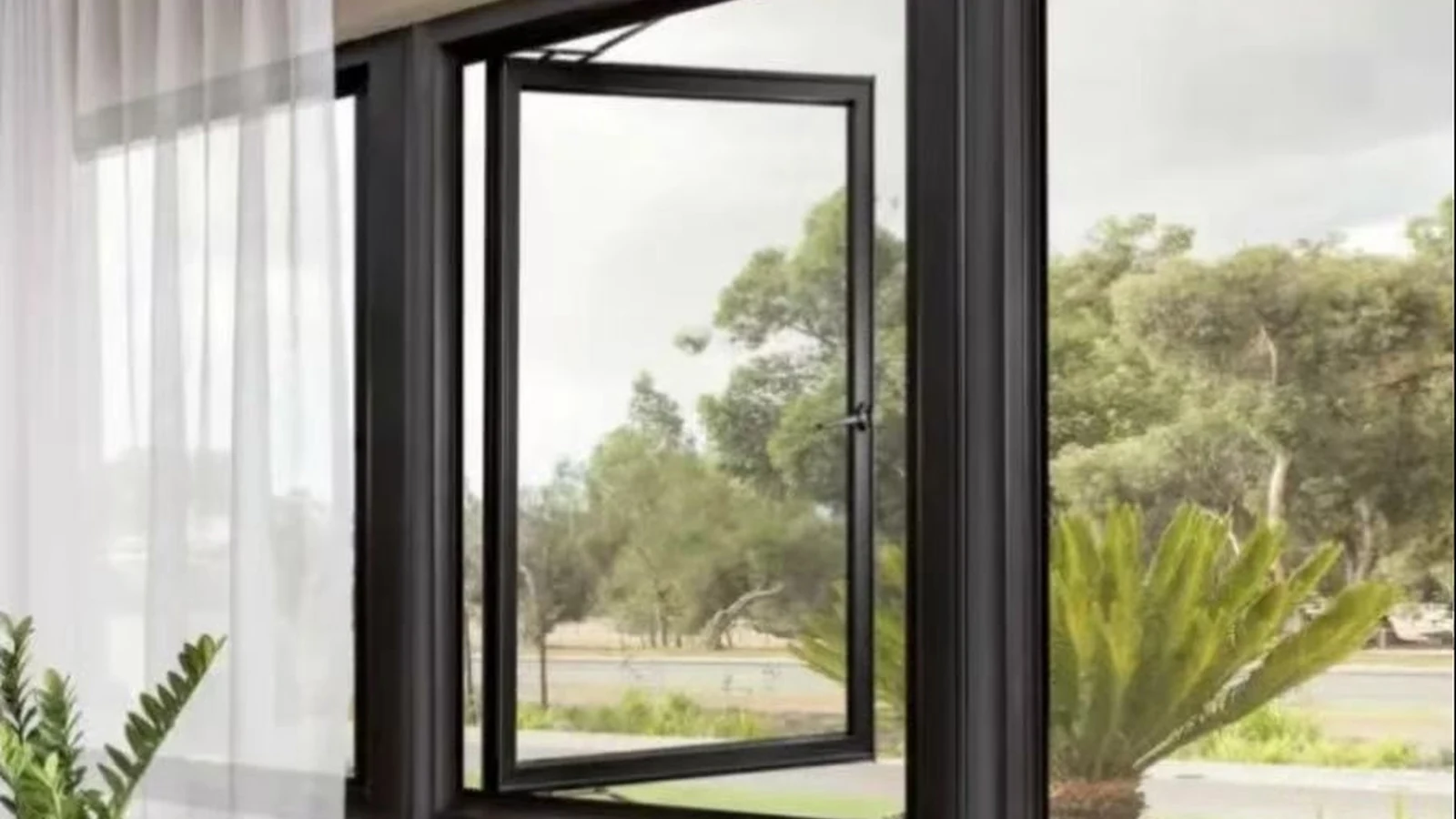
تسمح النافذة المفصلية الجانبية بدخول نسمات الهواء الجانبية وتوجيه الهواء النقي إلى الغرفة. كما يمكن تعديل زاوية الفتح لتوفير الراحة اليومية. عند إغلاقها، تعمل النافذة المفصلية المصممة جيدًا على ضغط الحشوات حول الإطار، مما يضمن منع تسرب الهواء والماء. في الشقق السكنية والمكاتب والمباني المطلة على الشارع في المدن، يُسهم هذا التصميم في تحسين العزل الصوتي، وذلك بحسب نوع الزجاج وجودة التركيب.
لا يوجد نوع نافذة مثالي لكل مشروع. تساعد المقارنة البسيطة المشترين على تجنب دفع ثمن ميزات لا يحتاجونها أو اختيار خيار منخفض التكلفة يسبب مشاكل في الراحة والصيانة لاحقًا.
| نافذة casement | منازل، شقق، مكاتب، تجديدات | إحكام قوي، تهوية، خيارات زجاج مرنة | يتطلب تصريح فتح |
| نافذة منزلقة | شقق صغيرة، شرفات، غرف ضيقة | موفر للمساحة وسهل التشغيل | يجب فحص إحكام إغلاق المسار وملاءمة الإطار بعناية |
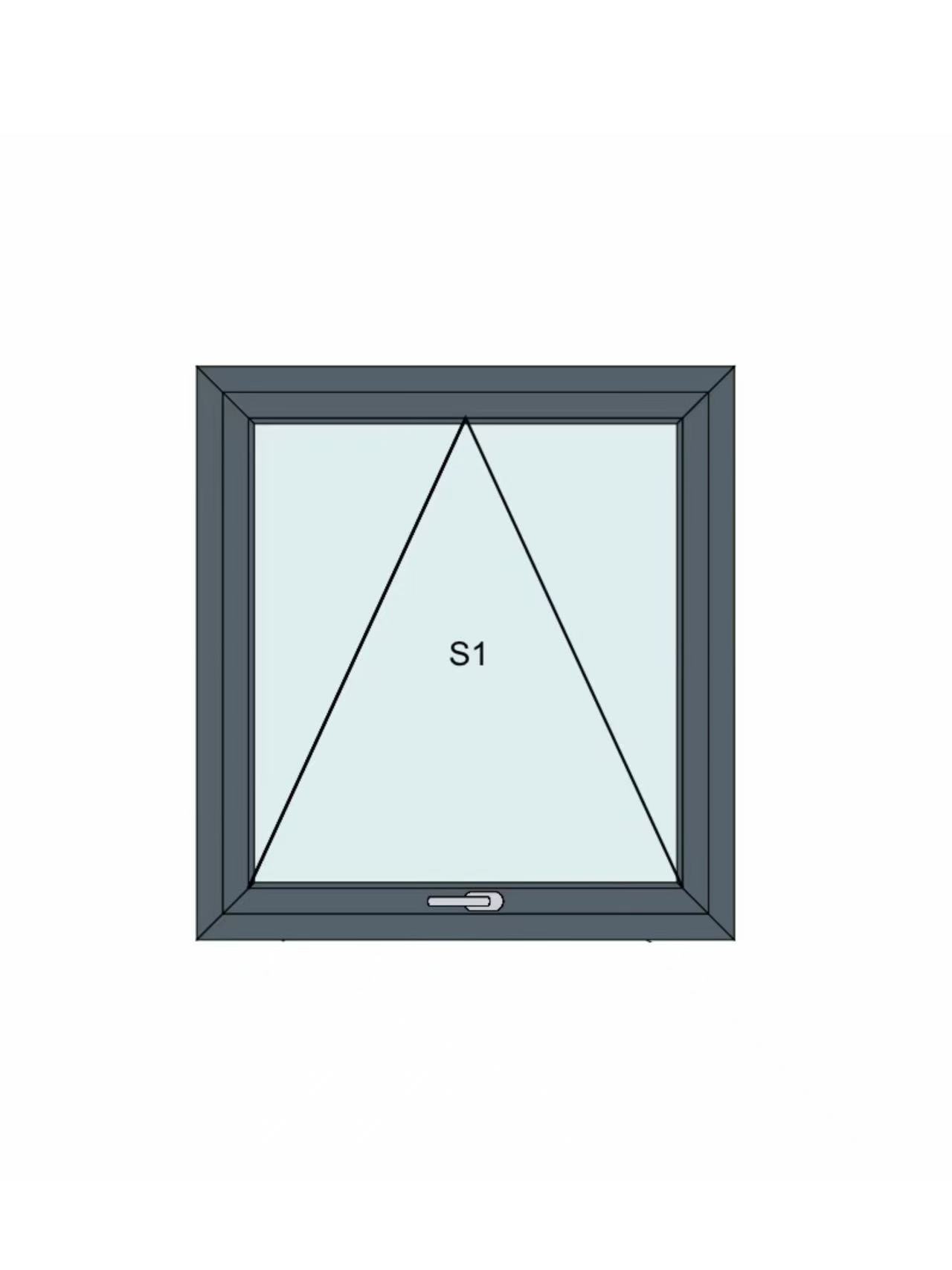
| نافذة مظلة | الحمامات، المطابخ، المناخات الممطرة | التهوية أثناء المطر الخفيف | مساحة فتحة أصغر |
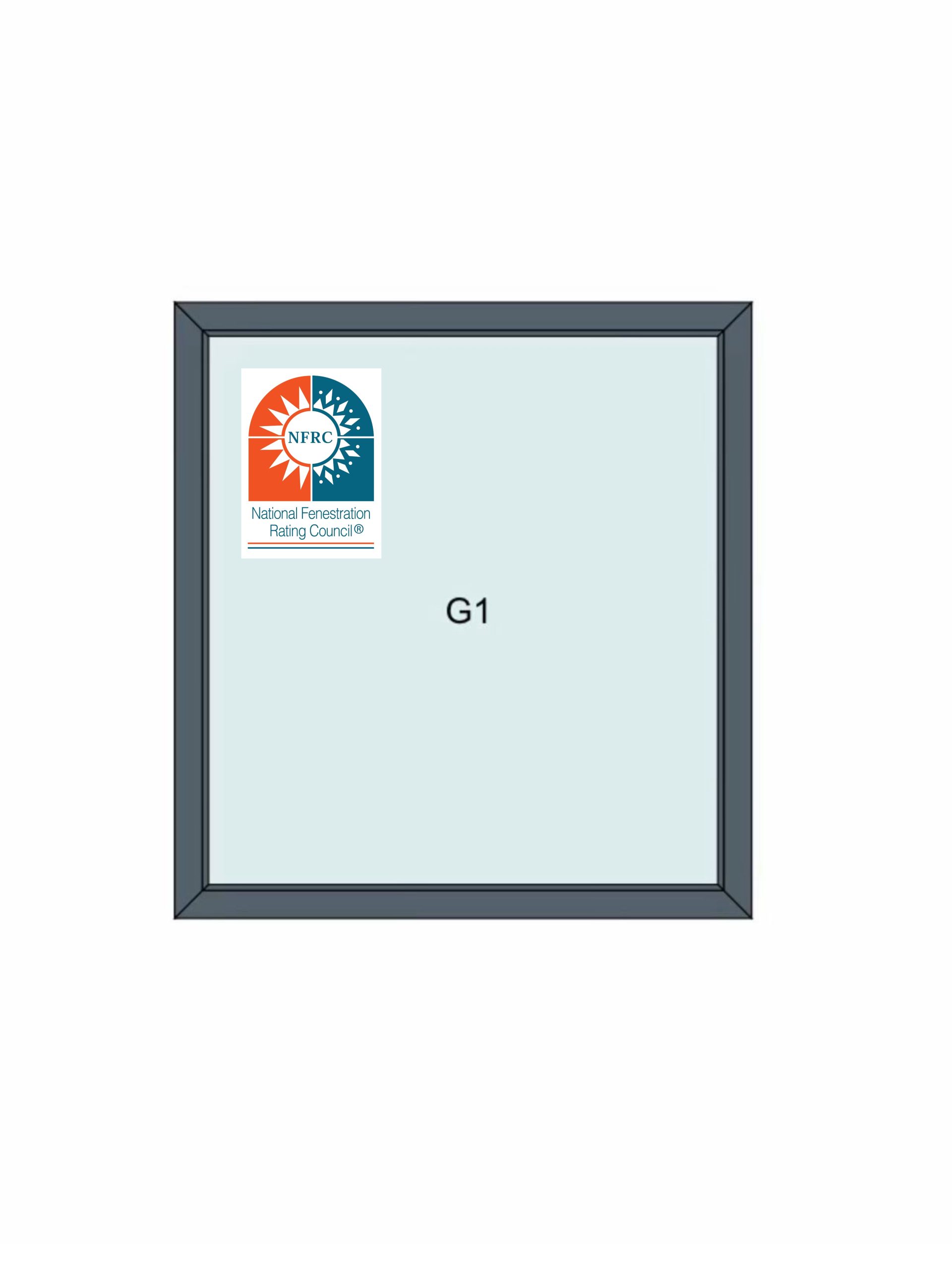
| نافذة ثابتة | مناطق الرؤية، والجدران العالية، وتشكيلات النوافذ | ضوء النهار وأجزاء متحركة أقل | لا يوجد تهوية طبيعية |
في العديد من المشاريع، يُعدّ التصميم المختلط للنوافذ الحل الأمثل. يمكن للمشترين استخدام النوافذ المفصلية للغرف المأهولة، والنوافذ المنزلقة للفتحات ذات المساحة المحدودة، والنوافذ المائلة للمناطق الرطبة، والنوافذ الثابتة للمناطق الكبيرة التي تسمح بدخول ضوء النهار.
ينبغي أن يشمل الاستفسار المهني أكثر من مجرد الحجم والكمية. فكلما كانت معلومات المشروع أكثر اكتمالاً، كان من الأسهل التوصية بالتكوين المناسب وتقليل التغييرات اللاحقة.
تعتمد نوافذ الألمنيوم ذات معامل انتقال الحرارة المنخفض (U-value) على الربط بين قطاع الألمنيوم وحاجز العزل. ينقل الألمنيوم العادي الحرارة بسرعة. أما قطاعات العزل الحراري فتُدخل شريطًا عازلًا بين الجزأين الداخلي والخارجي من الألمنيوم، مما يقلل من انتقال الحرارة. يحتاج المشترون إلى التحقق من عدة جوانب، تشمل مادة القطاع، وسماكته، ومادة العزل الحراري، وكيفية اتصال الزوايا، وتشطيب السطح. تؤثر جميع هذه العوامل على المتانة الإجمالية، وكفاءة العزل، وعمر النوافذ.
يلعب الزجاج دورًا محوريًا في أداء النافذة بشكل عام، وهو نفس تأثير الإطار. تبرز أنواع عديدة من الزجاج كخيارات شائعة. يُحسّن الزجاج المقسّى مستويات الأمان، بينما يُضيف الزجاج الرقائقي مقاومة عالية للصدمات وعزلًا صوتيًا أفضل. أما الزجاج العازل فيرفع الكفاءة الحرارية، ويدعم الزجاج منخفض الانبعاثية أهداف توفير الطاقة في العديد من المشاريع. يلبي الزجاج المزدوج احتياجات معظم المباني السكنية والتجارية، بينما يُعدّ الزجاج الثلاثي خيارًا مثاليًا عند الحاجة إلى عزل أقوى أو تحكم صوتي أفضل.
تعتمد النوافذ المفصلية على المفصلات والمقابض ونقاط الإغلاق وشرائط منع التسرب والتركيب الدقيق. لن يؤدي الإطار المتين وظيفته بكفاءة إذا لم يُغلق الإطار بشكل متساوٍ أو إذا لم يتم تجهيز فتحة الجدار بشكل جيد. لذا، ينبغي على المشترين التأكد من اتجاه الفتح وحجم الإطار ومدى تعرضه للرياح وتصميم نظام الصرف وسهولة الوصول للصيانة قبل إتمام الطلب.
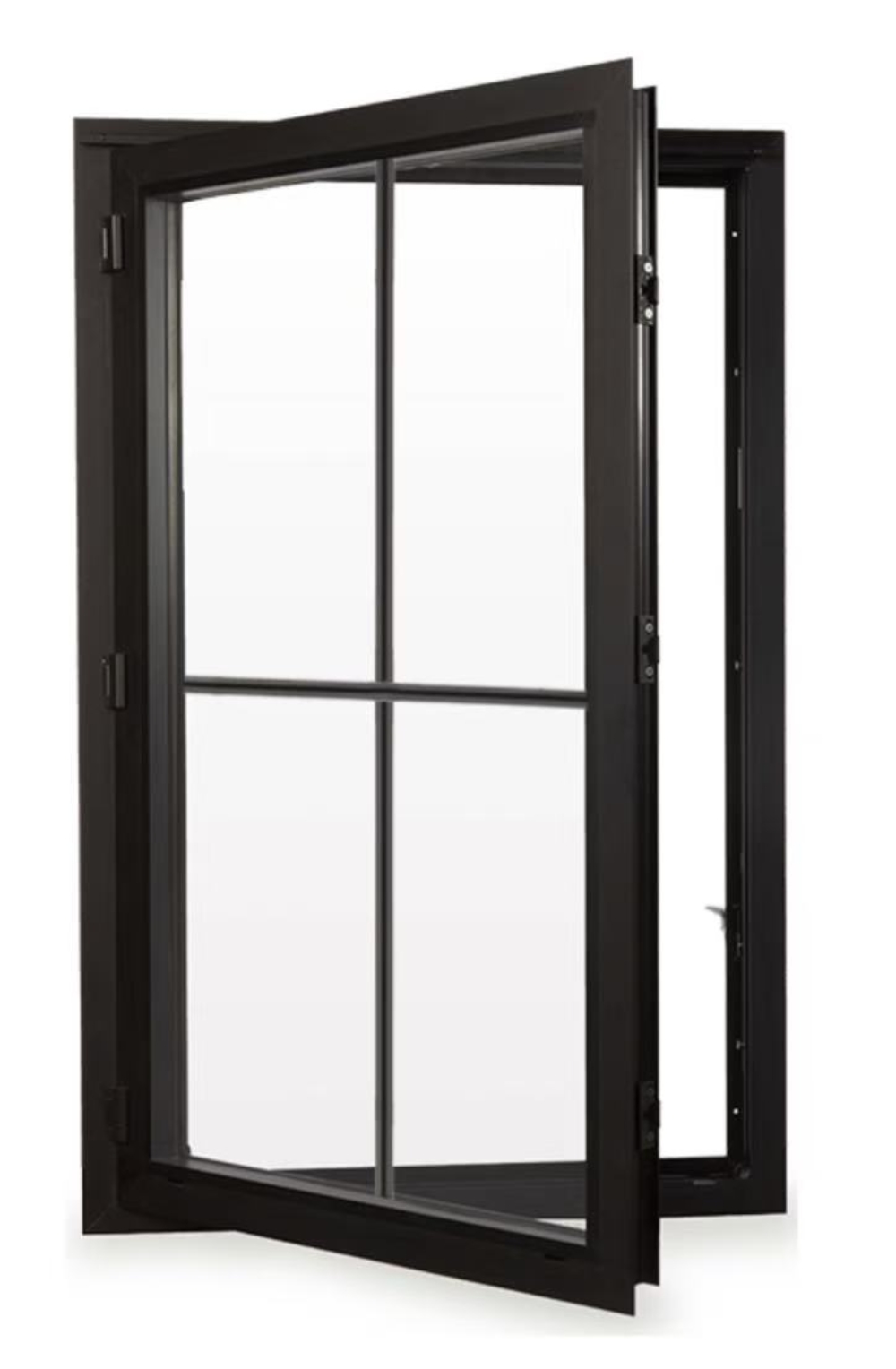
للمشترين الذين يقارنون بين أنظمة النوافذ المختلفة، يوكسينيونتونغ يمكن أن يدعم هذا المشروع المشاريع التي تتطلب خيارات فتح متعددة بدلاً من منتج واحد معزول. تشمل مجموعة النوافذ المتاحة النوافذ الثابتة، والنوافذ المفصلية، والنوافذ العلوية، والنوافذ القابلة للإمالة والتدوير، والنوافذ ذات الضلفة المفردة أو المزدوجة، والنوافذ المنزلقة، وخيارات الأشكال الخاصة، مما يسمح للمشروع بدمج عدة أنواع من النوافذ ضمن منطق تخطيط واحد.
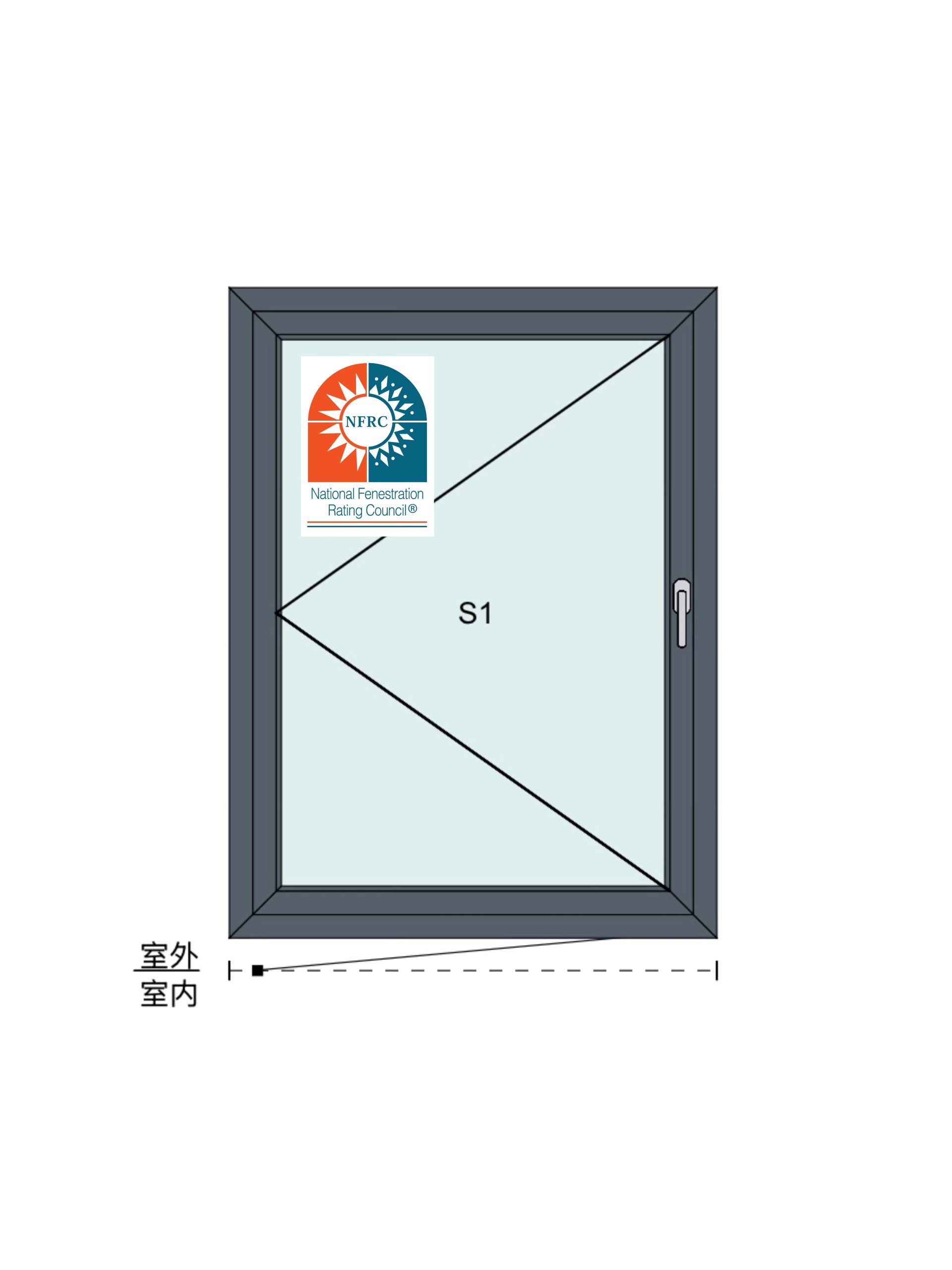
إن نافذة Casement يُعد هذا الخيار الأمثل عندما يتطلب المشروع تهوية جانبية مفصلية، وقطاعات ألومنيوم عازلة حراريًا، وإحكامًا أقوى من التصميم المنزلق الأساسي. يستخدم هذا النظام قطاعات ألومنيوم عازلة حراريًا مع شرائط من النايلون البولي أميد، ويدعم الفتح الجانبي المفصلي للداخل أو للخارج، وهو مصمم لتحقيق الثبات، ومقاومة أحمال الرياح، وإحكام الهواء والماء، والعزل الحراري والصوتي. تشمل خيارات الزجاج المتاحة الزجاج منخفض الانبعاثية، والزجاج المعزول، والزجاج الرقائقي، والزجاج المقسى.
هذا المنتج مناسب للمنازل السكنية والشقق والمباني التجارية ومشاريع التجديد التي تتطلب تهوية موثوقة دون التضحية بكفاءة الطاقة. لكنه ليس الخيار الأمثل دائمًا للفتحات الضيقة جدًا أو المناطق التي لا يمكن فيها تحريك النافذة بأمان. في هذه الحالات، يُنصح المشترون بمقارنته مع منتجات أخرى أوسع. مجموعة منتجات النوافذ قبل اتخاذ القرار.
قبل طلب عرض سعر، ينبغي على المشترين إعداد ملخص واضح. هذا يُحسّن دقة عرض السعر ويساعد المورّد على التوصية بنظام نوافذ عملي بدلاً من منتج عام.
تساعد التعليمات الواضحة على تجنب الفجوات بين أفكار التصميم وإعدادات الإنتاج الفعلية. على سبيل المثال، قد يطلب المشتري نوافذ مفصلية موفرة للطاقة. وتعتمد النتيجة النهائية على الإطار والزجاج والعزل والملحقات والتركيب مجتمعة. وعند مراجعة هذه النقاط مبكرًا، يصبح من الأسهل مقارنة عرض الأسعار، ويقلّ خطر المشروع.
تُعدّ نوافذ الألمنيوم المفصلية ذات العزل الحراري خيارًا مثاليًا للمشاريع التي تتطلب تهوية مُتحكّم بها. فهي توفر إحكامًا مُحسّنًا وعزلًا حراريًا قويًا. كما يضمن إطار الألمنيوم أداءً يدوم طويلًا. تُناسب هذه النوافذ المشترين الذين يبحثون عن الراحة وتوفير الطاقة مع سهولة الاستخدام اليومي. مع ذلك، ينبغي على فرق المشاريع مراجعة عوامل رئيسية مثل المساحة المتاحة، والظروف المناخية، ونوع الزجاج، وجودة الأجزاء المعدنية، وظروف التركيب قبل اتخاذ القرار النهائي.
بالنسبة لتكوين خاص بالمشروع، يمكن للمشترين أرسل تفاصيل المشروع إلى فريقنا مع توفير الرسومات والمقاسات ومتطلبات الفتح وتفضيلات الزجاج وأهداف الأداء، يمكننا مراجعة المتطلبات الأساسية واقتراح تصميم مناسب للنوافذ قبل تقديم عرض السعر، مما يساعد المشترين على مقارنة الخيارات بشكل أوضح وتقليل التعديلات غير الضرورية أثناء عملية الشراء.
س: هل النوافذ المفصلية ذات العزل الحراري أفضل من النوافذ المنزلقة في مشاريع توفير الطاقة؟
أ: غالبًا ما تُؤدي النوافذ المفصلية ذات العزل الحراري أداءً أفضل عندما يكون الإحكام القوي ومنع تسرب الهواء العالي في غاية الأهمية. يضغط إطار النافذة بإحكام على الإطار الخارجي عند إغلاقها. لا تزال النوافذ المنزلقة مناسبة للمشاريع التي تواجه قيودًا على المساحة المتاحة للفتح أو تتطلب تشغيلًا جانبيًا بسيطًا.
س: ما الذي يجب على المشترين التحقق منه قبل طلب نظام نوافذ مفصلية من الألومنيوم؟
ج: يحتاج المشترون إلى مراجعة عدة نقاط قبل طلب نظام نوافذ الألمنيوم المفصلية. تشمل هذه النقاط هيكل العزل الحراري، وتكوين الزجاج، وقيمة معامل انتقال الحرارة المستهدفة. كما يجب عليهم التأكد من إحكام إغلاق النوافذ ضد الهواء والماء، ومقاومة أحمال الرياح، وجودة الأجزاء المعدنية، واتجاه الفتح، وظروف التركيب في الموقع.
س: ما هي المشاريع المناسبة لنوافذ المفصلات الموفرة للطاقة؟
أ: تُناسب النوافذ المفصلية الموفرة للطاقة المنازل السكنية والشقق والمكاتب والمباني التجارية ومشاريع التجديد. وتُولي هذه الأماكن أهمية كبيرة للتهوية الفعالة والعزل الجيد والتحكم في الصوت والمتانة على المدى الطويل.








اترك تعليقات