Light steel keels, made from high-quality steel through precision rolling, offer versatile specifications, superior fire and moisture resistance, and compatibility with various decorative panels, enabling efficient modular installation in diverse architectural applications.
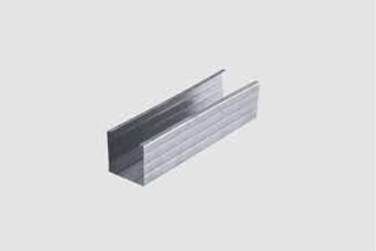
Metal studs, also known as stud keels, are vertical structural members that are inserted into tracks, functioning as the load-bearing components of partition systems. They serve to securely fasten partition coverings, including calcium silicate boards and fiber cement boards. In conjunction with horizontal metal tracks, these studs enable the installation of partitions between the floor and ceiling, making them suitable for drywall systems across a diverse range of applications, such as industrial factories, commercial office buildings, storage warehouses, agricultural greenhouses, and residential interior spaces.
These products offer several notable advantages, including low weight, ease of installation and disassembly, and recyclability. Constructed from high-quality hot-dip galvanized steel, metal studs exhibit excellent fire resistance, thermal insulation, waterproofing, rust prevention, and corrosion resistance. With a comprehensive product range and customizable options, they ensure a long service life. The resulting drywall systems are characterized by their lightweight yet high-strength properties
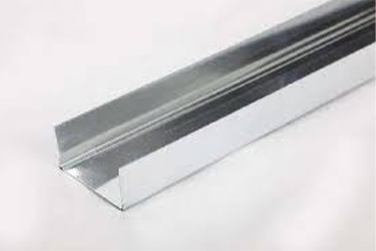
Track keel is a horizontal component used in walls and partitions within light steel framing, often referred to as metal track or U-track. Made of galvanized steel and shaped like a "U", it serves as the top and bottom framework of partitions. It can stably hold and connect vertical metal studs, providing a stable base and precise alignment guarantee for the studs. Suitable for drywall systems in scenarios such as factories, office buildings, warehouses, greenhouses, and home decorations, it helps build a neat and stable partition structure.
The main channel plays a core load-bearing role in the ceiling structure and is usually located at the top of the ceiling system. Its main responsibility is to bear the weight of the entire ceiling system, including the weight of ceiling panels (such as gypsum boards, mineral wool boards, etc.) and possibly attached equipment like lamps and air vents, and evenly distribute this weight to the building's structural system (such as beams, columns, etc.). At the same time, it provides a stable force-bearing support surface for the installation of secondary keels (auxiliary keels). By connecting with secondary keels, it jointly constructs a complete ceiling frame structure, ensuring the stability and safety of the ceiling system. When installing various types of ceiling, the main channel is an indispensable key component, widely used in the ceiling construction of residential buildings, commercial places (such as shopping malls, office buildings, hotels), industrial factories, and public buildings (such as schools, hospitals, libraries).
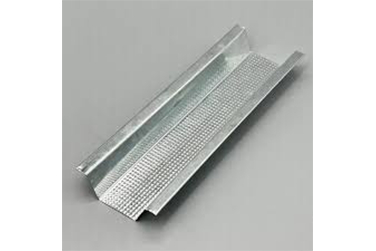
Omega keel plays an important role in the ceiling system, often working as a secondary keel in collaboration with the main keel. Its unique Omega-shaped design endows it with good structural stability and connection convenience. It mainly bears part of the weight of ceiling panels (such as gypsum boards, mineral wool boards, etc.) and transfers this part of the load to the main keel, which then evenly distributes it to the main building structure. Omega keels are usually installed under the main keels and are closely connected to them through supporting connectors, jointly building a stable ceiling frame structure. Because it can achieve an installation effect with no visible joints on the surface, it can create a flat appearance similar to traditional plaster ceilings, providing a good foundation for the decorative treatment of the ceiling surface, and is suitable for various decorative styles, such as modern simplicity, European classical, etc. This keel is widely used in indoor ceiling projects of buildings such as hotels, terminal buildings, bus stations, railway stations, theaters, shopping malls, office buildings, old building renovations, and various residential buildings.
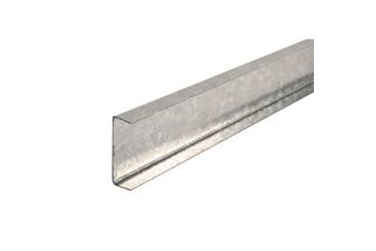
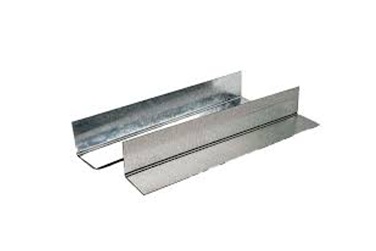
Wall angle, also known as corner protection keel or L-shaped metal groove, gets its name from its unique L-shaped structure. It is a key supporting material used in corner parts in the field of architectural decoration. In various construction projects, whether it is the exquisite decoration of indoor spaces or the stable construction of exterior wall structures, wall angle plays an indispensable role. It is mainly installed at the corners and is responsible for fixing the corner structure, enhancing the corner strength, and providing reliable support for wall decoration materials.
We are committed to providing our customers with high-quality service, competitive prices and a wide selection of doors, windows and building materials.