
Nullam dignissim, ante scelerisque est euismod fermentum odio Sem semper l'est erat, un feugiat leo urna eget eros. Duis Énéenun imperdiet risos.
Nullam dignissim, ante scelerisque est euismod fermentum odio Sem semper l'est erat, un feugiat leo urna eget eros. Duis Énéenun imperdiet risos.
Two window quotations can describe the same opening and still price different products. One will have a frame/thermally broken aluminium framing system with an appropriate glazing set-up, the other using different facade depth or operating strategy and hardware package. An analysis of the comparison which only looks at “aluminium versus UPVC” obscures many important decisions around fit and performance.
Yuxinyuntong supplies building materials including aluminium windows and doors. For buyers who are comparing projects it is important to evaluate aluminium windows and UPVC windows against the opening schedule and the same required evidence.
When it comes to windows, there are two frame systems compared most often for a building opening the aluminium and UPVC window system, which consists of selected materials that fit the type or style profile construction glazing & hardware. For any given building opening, aluminium and UPVC windows will tend to be the two window frame systems most commonly compared; with profile construction profiling options typically defined along with glazing specifications and hardware selection.
Prior to any product selection, an opening schedule must be prepared, setting out the sizes and functional requirement of each window.
However, price comparisons between the two are only valid when the required performance is the same for each frame type.
UPVC is a plastic material, and while it can be made in ‘foamed’ cellular form, standard UPVC uses steel or aluminium reinforcing for large spans and for doors.
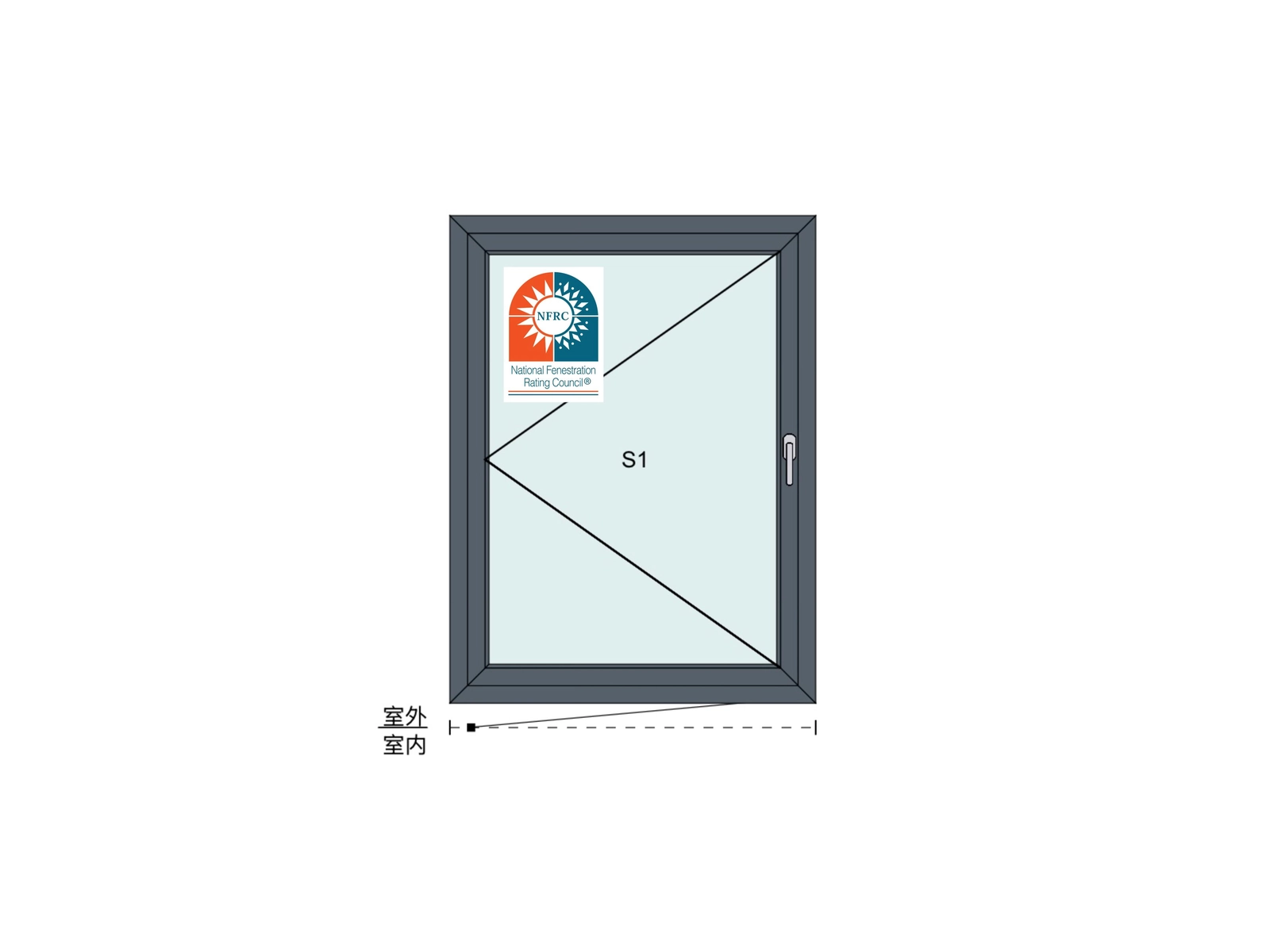
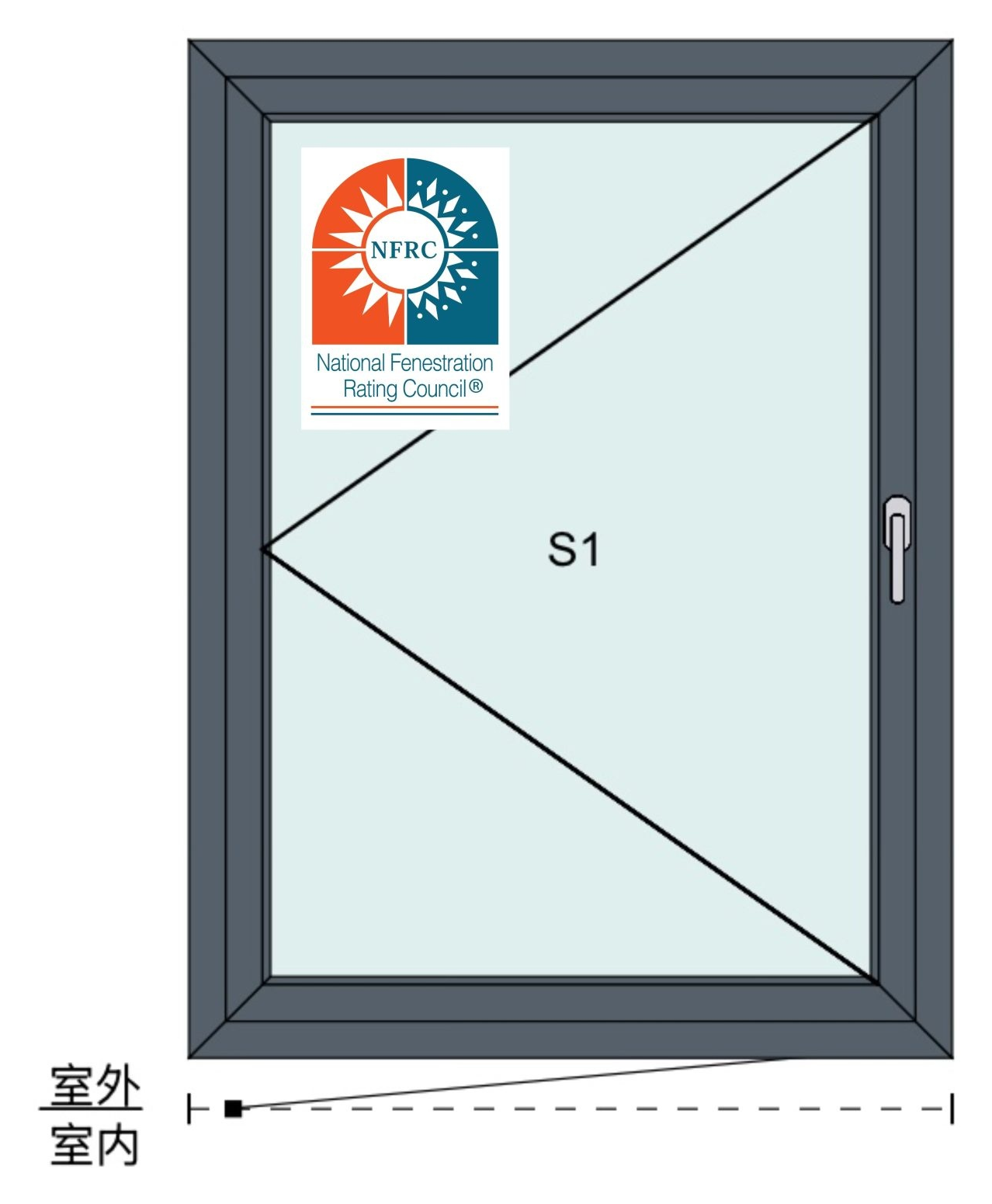
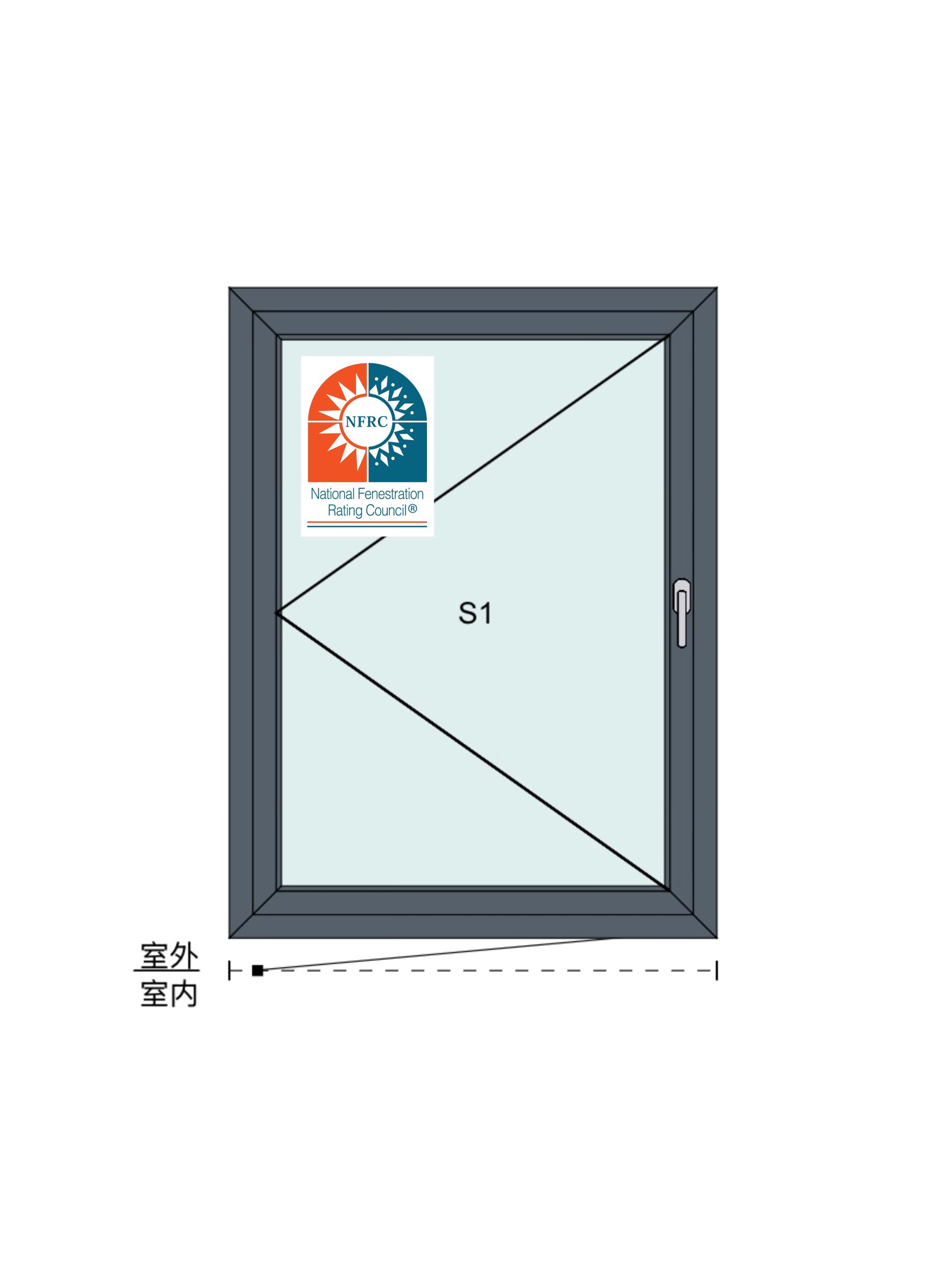
The maker quoted describes its fenêtre casements as engineered from thermally broken aluminium profiles with polyamide nylon strips, giving a side-hinged opening, and fitted with multi-point locking hardware and EPDM sealing strips.
While aluminium frame fabrication can occur in a small workshop, the manufacturing of the profile is done in a large and expensive plant.
UPVC window profiles are produced by extrusion. UPVC window frames with sealed glass units are assembled from hollow extrusions which contain internal chambers, generally reinforced with steel or metallic inserts. The steel inserts are required to give strength and rigidity to the frame.
The maker quoted publishes an 85-series profile with a frame width of 85 mm and wall thickness options of 1.8 to 2.0 mm, and a 100-series profile with a frame depth of 100 mm.
The effect on the opening is that a larger depth of frame occupies more of the opening, but the glazed area depends on the frame width, and the sight line depends on frame width and any mullion and transom widths.
Standard UPVC does not have the rigidity of aluminium, and the design of UPVC windows depends on internal metal reinforcement, and in some cases internal webs. For large windows and doors, the metal reinforcement may be so great that the whole concept of a lightweight plastic frame is lost.
For the 85-series profile the maker quoted publishes a U value of 0.29 to 0.33, a solar heat gain coefficient of 0.25 and a visible light transmission of 0.39, and for the 100-series profile a U value of 0.16 to 0.2, a solar heat gain coefficient of 0.22 and a visible light transmission of 0.39.
The thermal expansion of aluminium is greater than that of glass or UPVC, and this must be accommodated.
The material selection depends on the required U value, the glazing type, the building’s structure and the expansion joints.
Where glass is directly glazed into the frame, the thermal expansion of the frame matters.
The casement windows are described as side-hinged, opening outwards, and fitted with multipoint locking hardware and EPDM sealing strips.
The hardware of UPVC and aluminium windows is generally similar, using multipoint locks and espagnolette handles, but the fixing of hardware to UPVC requires reinforcement.
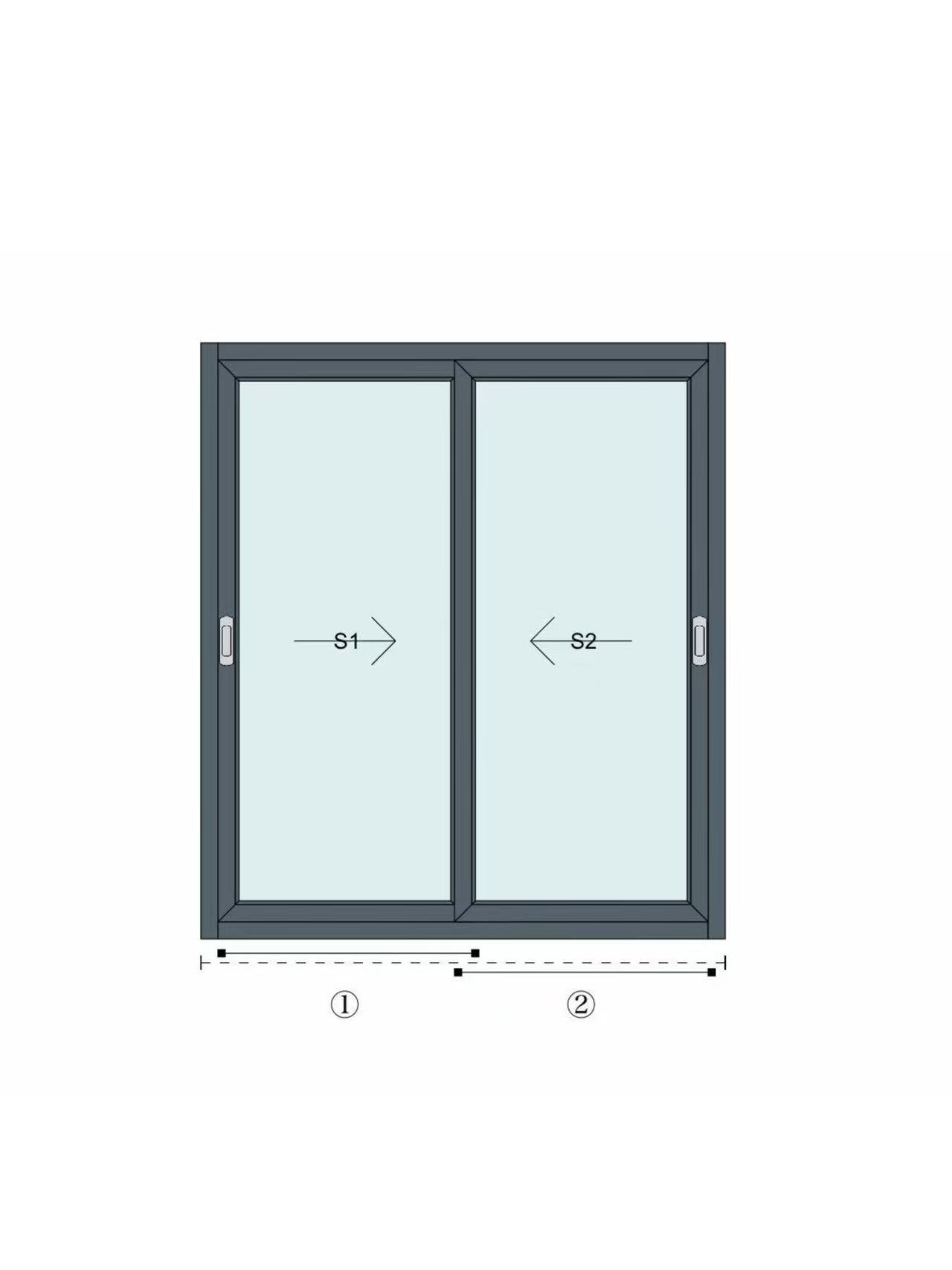
UPVC windows can be supplied as tilt and turn, as side-hinged, as sliding windows and as fixed, but the larger the sash, the more the internal steel reinforcement is required.
Aluminium is dimensionally stable, does not rot or rust in the conventional sense, and is resistant to UV light. UPVC window frames have been known to discolour, and the steel reinforcement, if exposed to moisture, can rust and split the frame.
UPVC is also used in coastal areas but the reinforcement must be protected against corrosion.
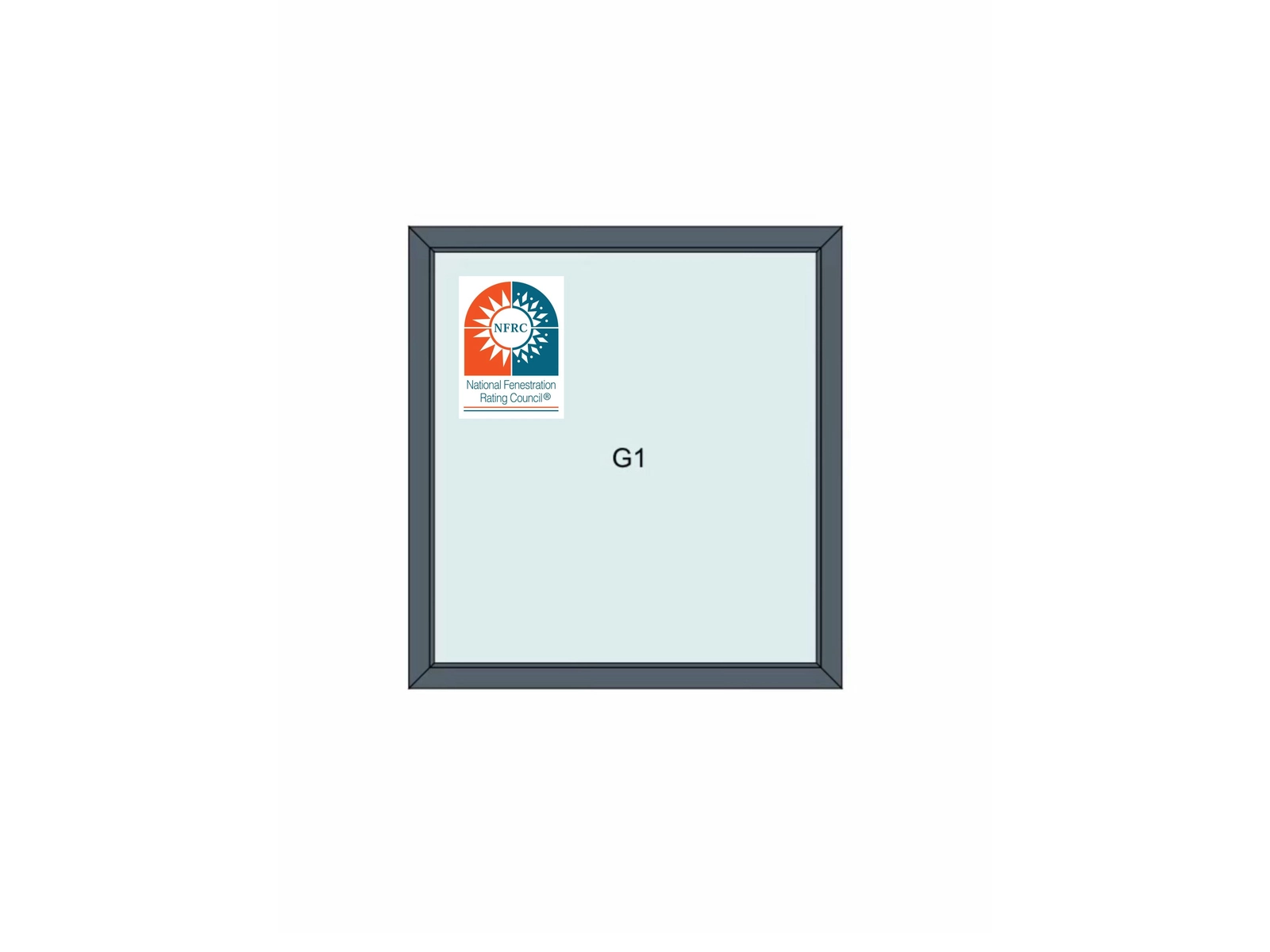
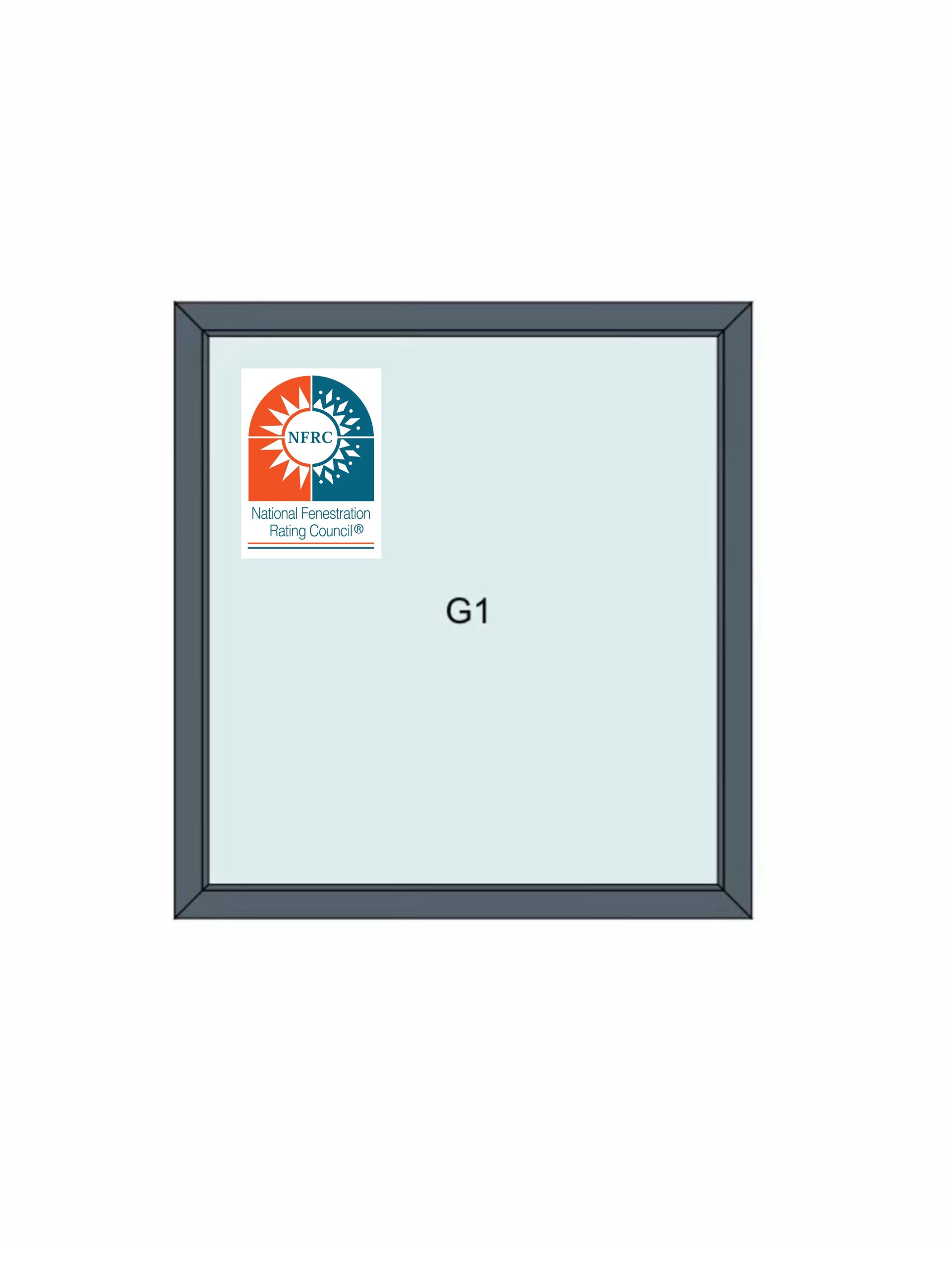
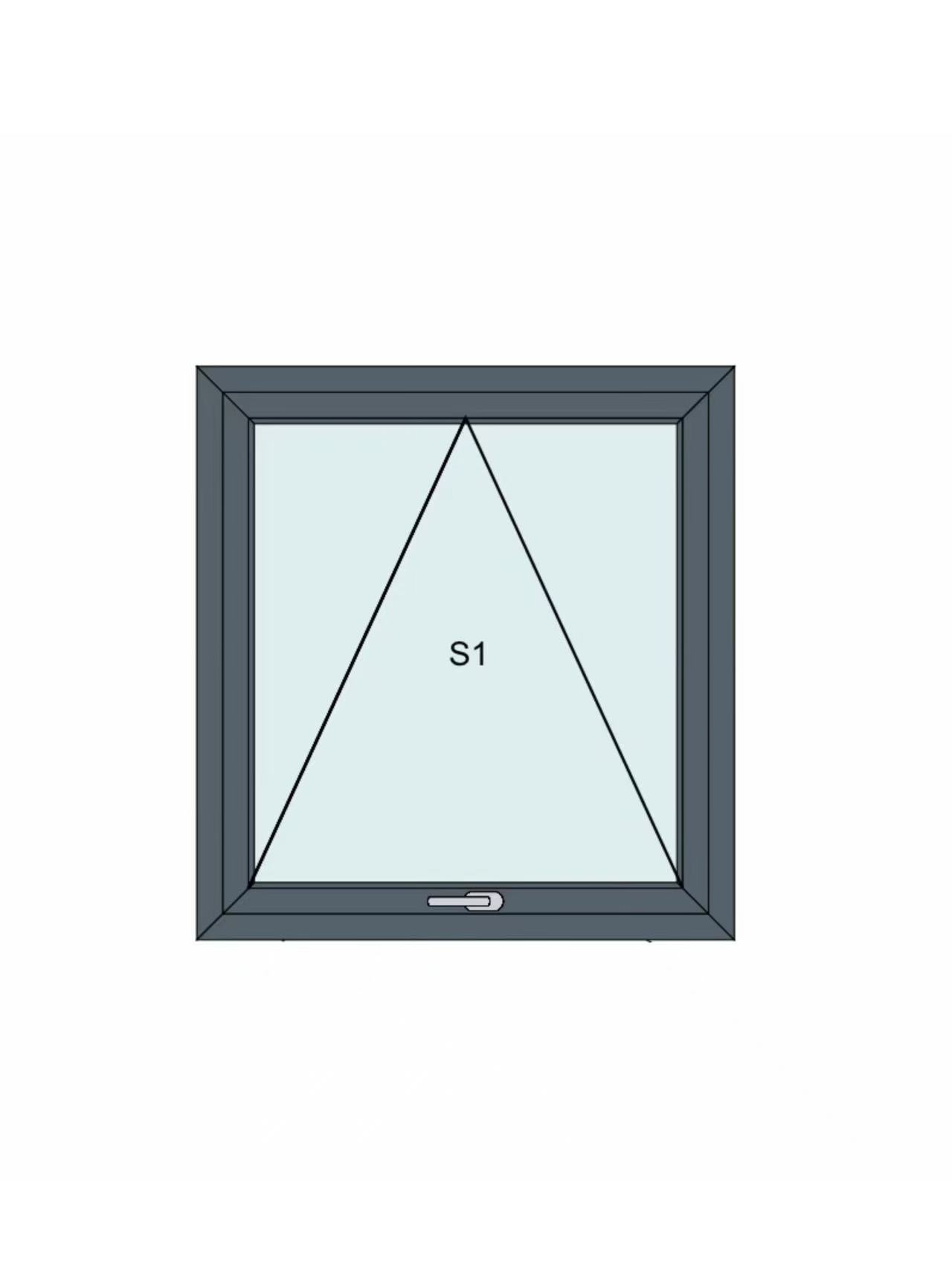
The maker quoted lists casement windows, picture windows and fenêtre auvents among its window ranges, so the scope of a quotation is checked against the opening function it is intended to serve.
UPVC frame material is generally cheaper than aluminium, but the need for internal steel reinforcement, and the greater weight of the reinforced frame, can offset the material saving, particularly for large windows.
The surface finish of aluminium can be anodised or powder coated, while UPVC is generally supplied in white, and colour finishes are applied as laminates.
Aluminium is a rigid material with a high strength-to-weight ratio, and when thermally broken can offer good thermal performance. Its manufacture requires an expensive plant, and fabrication in a workshop is possible. UPVC is a low-cost material which is easy to fabricate, but its strength depends on internal reinforcement, and its long-term resistance to UV and its colour stability may be a concern.
Prior to fabrication, the window maker prepares fabrication drawings for the architect’s approval, showing the frame profile, glazing, opening direction, hardware and fixing details.
The approval drawings must be checked against the opening schedule for size, function and handing, and against the specification for the frame material, the glazing and the finish.
The approval drawings are also checked for the method of fixing the frame to the structure, and for the seal between the frame and the opening.
The frame system must accommodate the construction tolerances of the opening.
Before approval, put the comparison into a project matrix with one row per opening mark. Record the selected material, system reference, frame dimensions, operation, glazing build-up, hardware, finish, wall interface and delivery assumption. The buyer can then see whether aluminium windows and UPVC windows are being compared on an equivalent basis. Keep unresolved points visible with an owner and a due date. If a supplier proposes a substitute, ask which requirement it changes and request revised evidence for that exact window specification. These records help procurement, façade design and site installation work from the same version instead of relying on a quotation summary.
Keep the final technical selections and approval responsibilities documented with the contract and submittals, and keep this comparison with the approved project schedule. Revisit it when site dimensions change.
Yuxinyuntong is a maker of aluminium windows and doors. The works lists casement windows, picture windows and awning windows among its ranges, together with aluminium and glass louvre, aluminium clad wood windows and curtain wall. For a project order, ask for a quotation that references the opening schedule and the defined system, and the contact team will review project requirements and send drawings on request.
Q1: Is aluminium always more suitable for large openings?
A1: The answer depends on the proposed system, dimensions, loads, glazing and design. Request configuration-specific evidence and obtain project design review.
Q2: Can suppliers quote from rough opening dimensions?
A2: They can prepare a preliminary estimate if the assumption is clear. Confirm finished site measurements and responsibility for the installation allowance before production.
Q3: What makes two window quotes comparable?
A3: Matching the opening schedule, system scope, glazing, hardware, finish, delivery assumptions and required documentation makes differences easier to evaluate.








Laisser un commentaire