
Nullam dignissim, ante scelerisque هو euismod fermentum odio Sem semper the is erat, a feugiat leo urna eget eros. سيم سيمبر إيس إيرات دويس إينيانimperdiet risos.
Nullam dignissim, ante scelerisque هو euismod fermentum odio Sem semper the is erat, a feugiat leo urna eget eros. سيم سيمبر إيس إيرات دويس إينيانimperdiet risos.
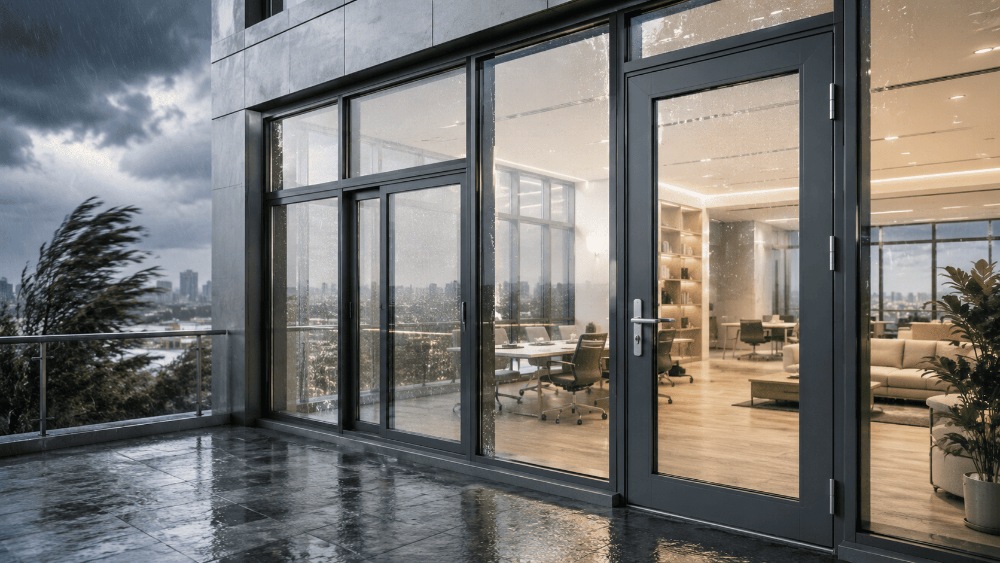
غالباً ما تقارن فرق المشتريات لون الإطار، وسماكة الزجاج، وسعر المنتج، ووقت التسليم أولاً. أما بالنسبة للنوافذ والأبواب المصنوعة من الألومنيوم، فينبغي إجراء ثلاثة فحوصات في وقت مبكر: إحكام إغلاق الهواء، وإحكام إغلاق الماء، ومقاومة أحمال الرياح.
تؤثر هذه العوامل على الراحة، ومخاطر التسرب، واستهلاك الطاقة، والتحكم في الضوضاء، والصيانة. وهذا أمر بالغ الأهمية بشكل خاص للأبواب والنوافذ المصنوعة من الألومنيوم المستخدمة في المكاتب والفنادق والشقق والمتاجر.
قد يبدو سعر الوحدة المنخفض جذابًا أثناء المزايدة، لكن الأداء الضعيف عادةً ما يظهر بعد التسليم. قد يؤدي تسرب الهواء إلى زيادة الطلب على التبريد أو التدفئة. كما قد يتسبب تسرب الماء في تلف الأجزاء الداخلية. وقد يؤدي ضعف مقاومة الرياح إلى حدوث ضوضاء أو حركة أو تشوه أو مخاوف تتعلق بالسلامة في المواقع المكشوفة.
لن يناسب التصميم نفسه جميع المشاريع. فالجدران الداخلية في المباني المنخفضة، وشرفات الشقق المطلة على الساحل، والواجهات التجارية في المباني الشاهقة، جميعها تواجه مستويات ضغط مختلفة. قبل اختيار نوافذ وأبواب الألمنيوم، ينبغي على المشترين تحديد الموقع، وارتفاع المبنى، وحجم الفتحات، ومدى تعرضها للأمطار، وتكرار استخدامها.
تربط المواصفات العملية هيكل المنتج بظروف الموقع، بما في ذلك قوة الإطار والزجاج والعزل والصرف الصحي والأجهزة وتفاوتات التركيب.
ينبغي على المشترين أن يسألوا كيف يتحكم المورد في إحكام الهواء، وإحكام الماء، ومقاومة أحمال الرياح، وما إذا كان التكوين يمكن أن يدعم احتياجات المشروع المحلية.
يُشير إحكام إغلاق النوافذ والأبواب إلى مدى كفاءة إغلاقها في الحد من حركة الهواء غير المرغوب فيها. بالنسبة لنوافذ الألمنيوم الموفرة للطاقة، يُمكن أن يُقلل إحكام الإغلاق الجيد من تبادل الهواء الساخن أو البارد، ويُساعد أنظمة التدفئة والتبريد الداخلية على العمل بكفاءة أكبر.
يعتمد إحكام تثبيت الإطار على الضلفة على دقة تصميمها، وجودة الحشية، ووصلات الزوايا، وضغط القفل. غالبًا ما تعمل أنظمة النوافذ المفصلية بكفاءة عالية لأن الضلفة تضغط على الإطار عند قفلها. كما يمكن لأنظمة النوافذ المنزلقة أن تعمل بكفاءة أيضًا، ولكن يجب فحص مناطق التداخل والمسارات والإطارات الجانبية بدقة أكبر.
يوكسينيونتونغ جسر مكسور متعدد الوظائف باب الألومنيوم يستخدم هذا المنتج قطاعات ألومنيوم معزولة، وشرائط عازلة من النايلون PA66، ومفصلات شديدة التحمل، ونظام قفل متعدد النقاط. وهو مرجع مفيد للمشترين الذين يحتاجون إلى باب مفصلي من الألومنيوم يتميز بضغط إغلاق ثابت وإحكام ممتاز.
لا تقتصر وظيفة الأجهزة على التشغيل فقط. فالمفصلات والأقفال والبكرات والمقابض تؤثر على مدى إحكام إغلاق الإطار أو اللوحة. ويمكن لنظام القفل متعدد النقاط توزيع الضغط بشكل أكثر توازناً من نظام القفل أحادي النقطة، وهو أمر بالغ الأهمية عند استخدام الأبواب والنوافذ بشكل متكرر.
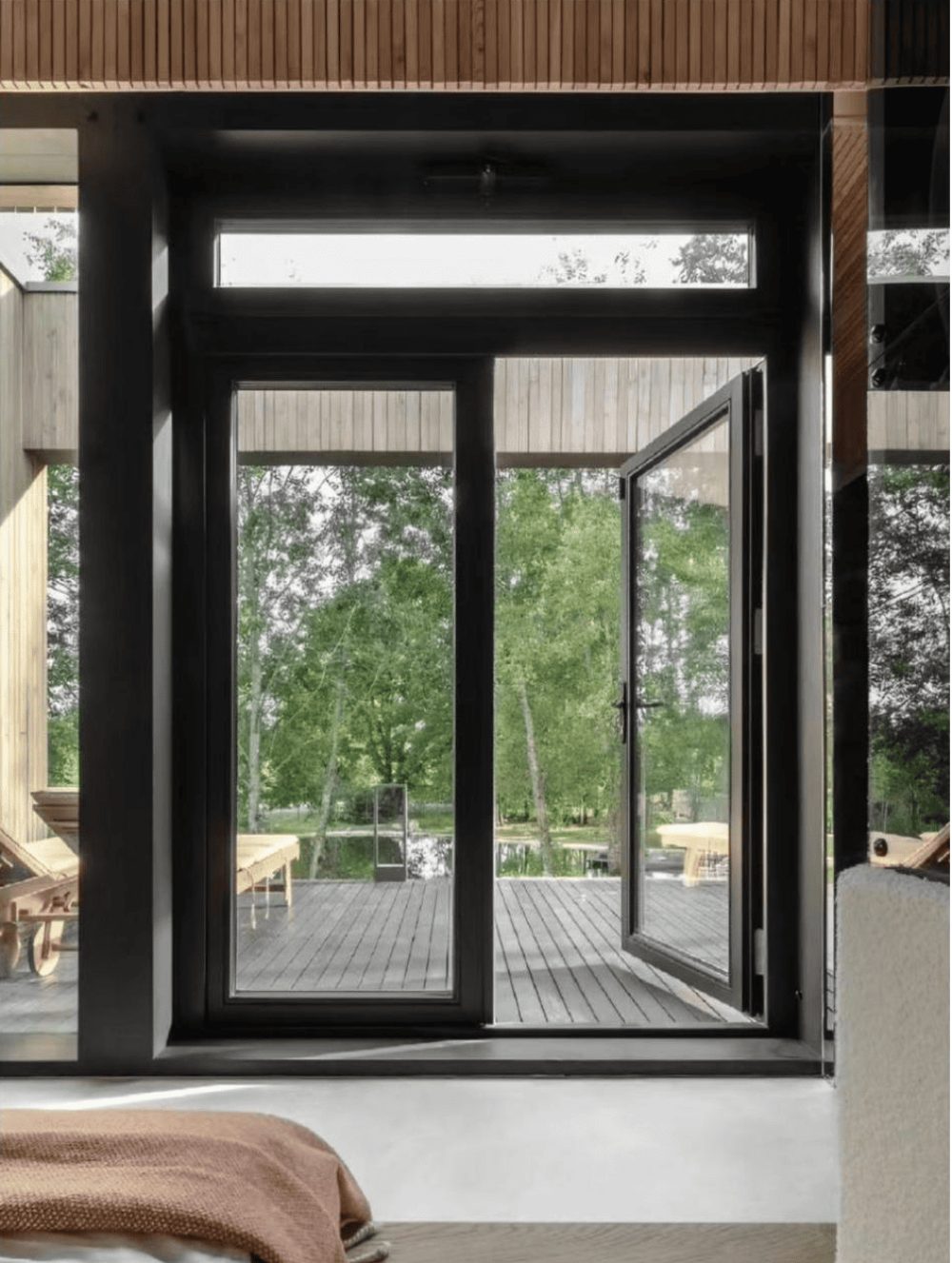
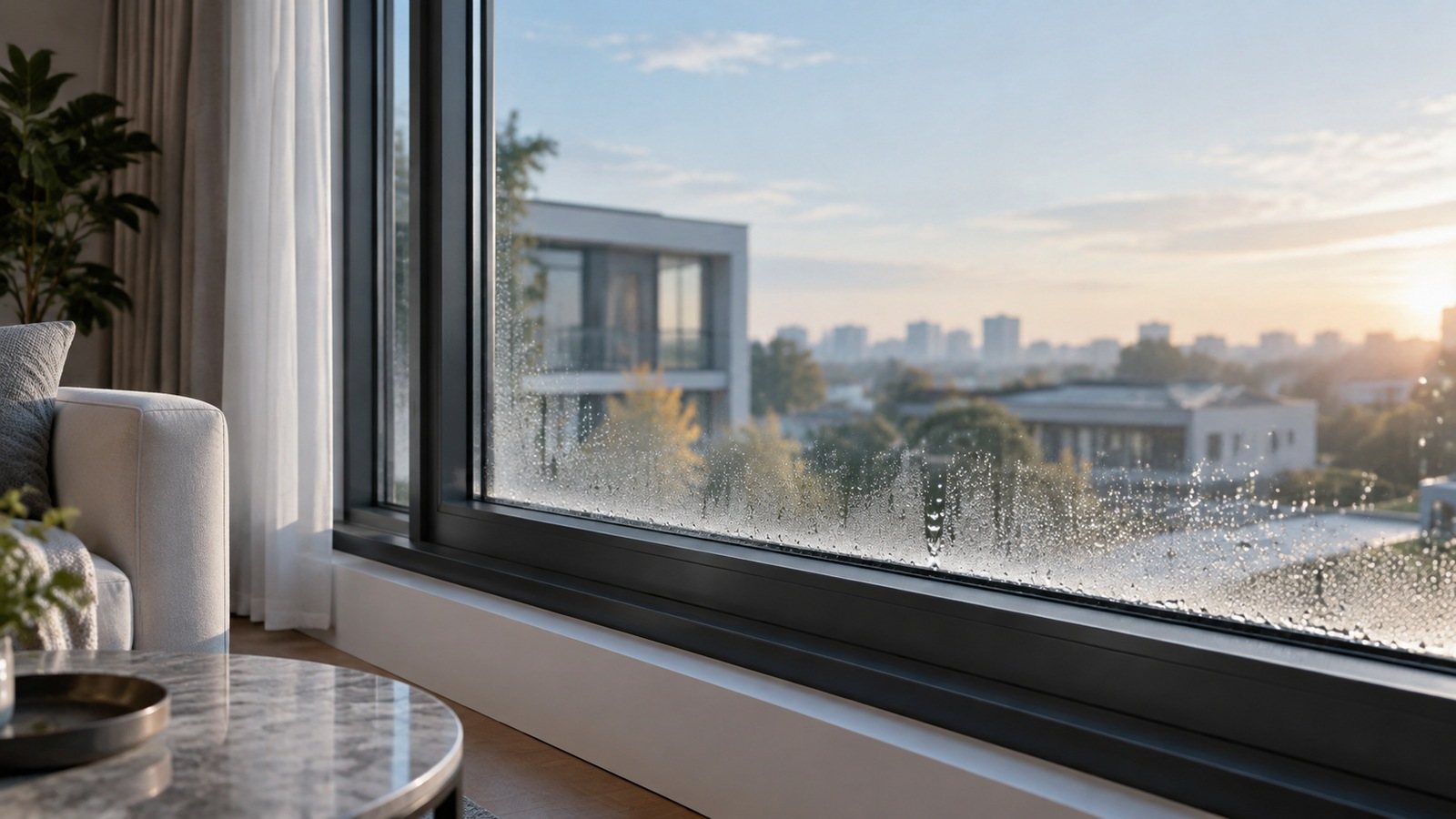
تعتمد مقاومة الماء على تصميم المنتج وجودة التركيب. قد يتجمع المطر عند الإطار السفلي، أو يتسرب عبر فجوات المسار، أو يدخل من خلال الزوايا غير المحكمة الإغلاق.
ينبغي على المشترين الاستفسار عن مسار المياه بعد وصولها إلى عتبة النافذة أو المسار السفلي. وهذا أمر بالغ الأهمية في المناطق الممطرة، والمشاريع الساحلية، والشرفات، والباحات، ومداخل المحلات التجارية.
في أنظمة الانزلاق، يستحق نظام الصرف اهتمامًا خاصًا نظرًا لحركة اللوحة على مسار محدد. فالغبار والرمل والحطام الصغير قد تُبطئ تصريف المياه وتؤثر على الحركة. لذا، ينبغي أن يشمل التقييم الجيد سهولة الوصول للتنظيف، وحماية البكرات، ومدى ملاءمة المسار.
يؤثر اختيار الزجاج أيضاً على التحكم في تسرب المياه. فالزجاج العازل، والزجاج الرقائقي، والزجاج المقسى، والزجاج منخفض الانبعاثية، كل منها يلبي احتياجات مختلفة، ولكن لا يمكن لأي منها أن يغني عن إحكام الإغلاق بشكل صحيح. ولا تزال نوافذ الألمنيوم الموفرة للطاقة بحاجة إلى حشوات ومواد مانعة للتسرب مناسبة، بالإضافة إلى اتباع ممارسات تركيب سليمة، للحفاظ على منع تسرب المياه مع مرور الوقت.
ينبغي على المشترين أيضاً التأكد مما إذا كان وزن الزجاج المختار يتناسب مع الإطار والأجزاء المعدنية، خاصة في المساحات ذات الفتحات الواسعة أو التي تشهد استخداماً متكرراً.
تزداد أهمية مقاومة أحمال الرياح عندما يكون المبنى شاهق الارتفاع، أو قريبًا من الساحل، أو معرضًا لمساحات مفتوحة، أو مزودًا بوحدات زجاجية كبيرة. ولا يقتصر الأمر على الرياح القوية فحسب، بل يؤثر أيضًا على الاهتزازات والضوضاء وحركة الهيكل وسلامة الزجاج وثقة المستخدم.
لا ينبغي للمشترين اختيار الإطار بناءً على مظهره فقط. فالمادة المصنوع منها الإطار، وسماكة الجدار، والتقوية، ووصلات الزوايا، وطريقة التثبيت، كلها عوامل تؤثر على مقاومة الرياح.
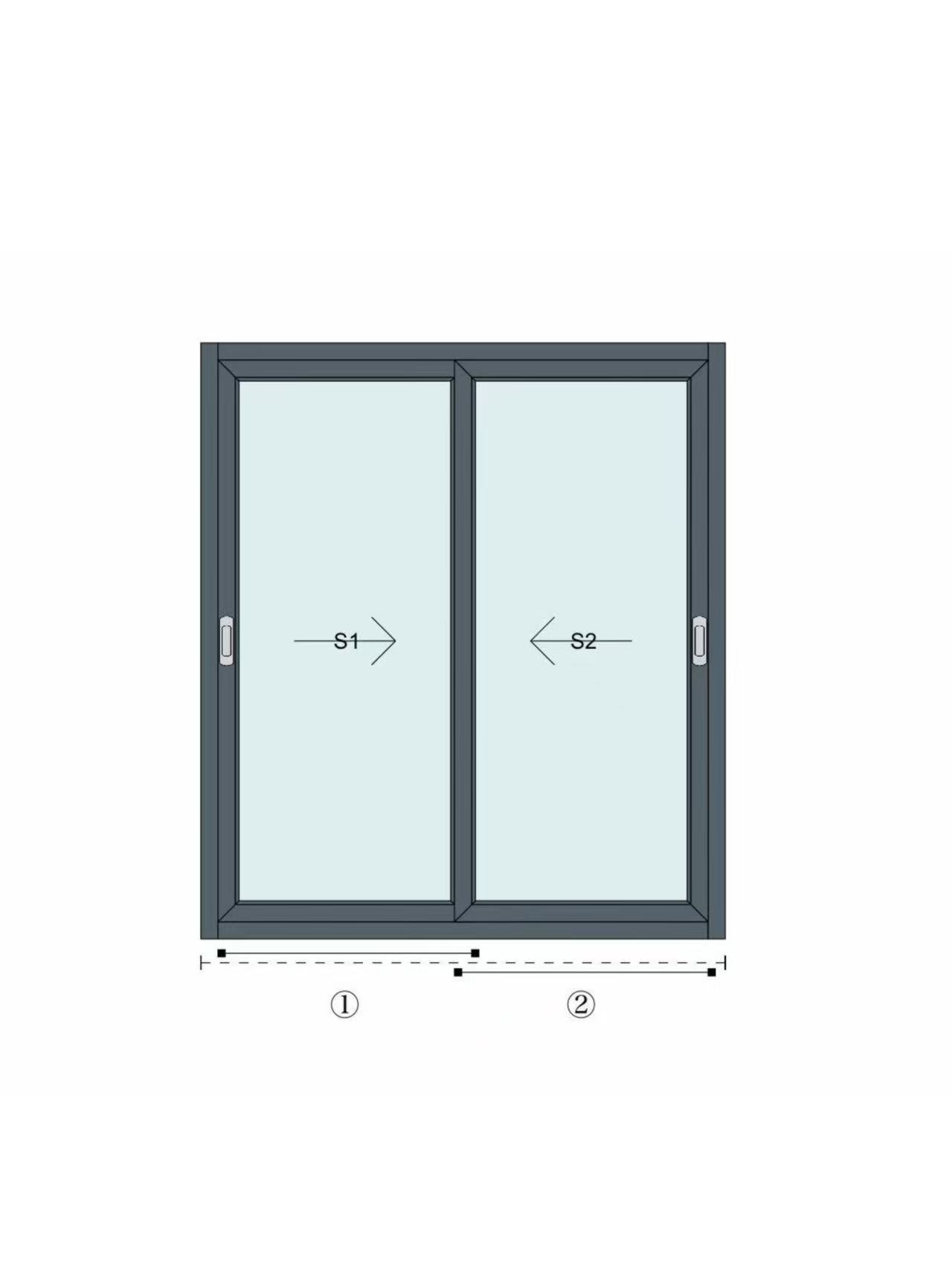
يوكسينيونتونغ نافذة انزلاق يستخدم هذا النظام قطاعات ألومنيوم معزولة حراريًا مع شرائط من النايلون البولي أميد، ومسارات مصممة بدقة، وهيكل انزلاق أفقي موفر للمساحة. في المشاريع التي تقارن نظام نوافذ الألمنيوم المنزلقة، يتضح سبب ضرورة فحص ثبات المسار وصلابة الإطار مع العزل وإحكام إغلاق الهواء.
لا ينبغي استخدام معيار واحد لاتخاذ القرار بشأن واجهة متجر محمية ونافذة شرفة ساحلية عالية. يجب على المشترين مطابقة مقاومة أحمال الرياح مع المتطلبات المحلية، وارتفاع المبنى، واتجاهه. في حال الحاجة إلى تقارير اختبار أو شهادات اعتماد، يجب مناقشتها قبل بدء الإنتاج.
تُسبب أنواع الفتحات المختلفة مخاطر أداء متفاوتة. ينبغي على المشترين مقارنة كيفية أداء كل نوع في المشروع.
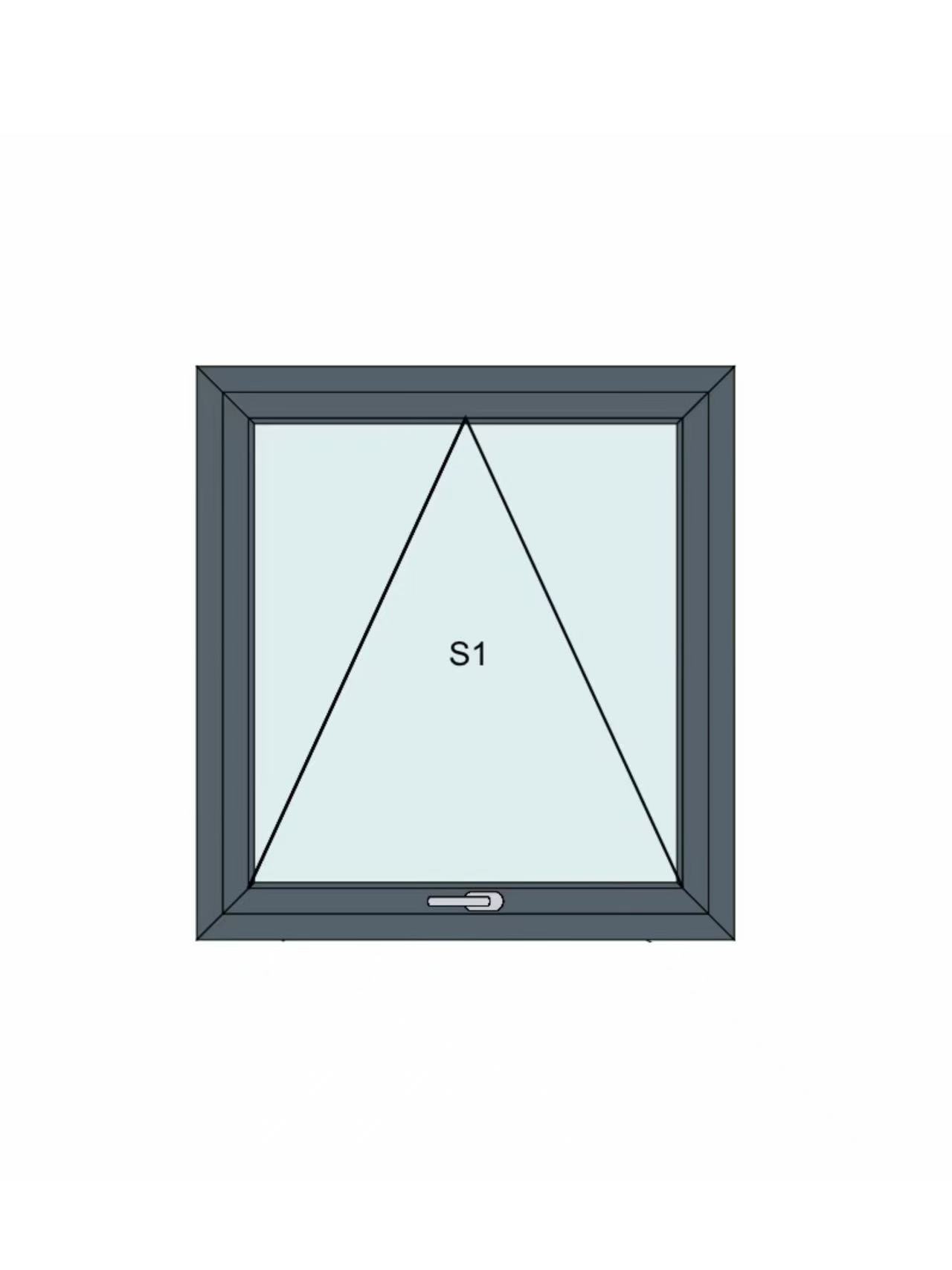
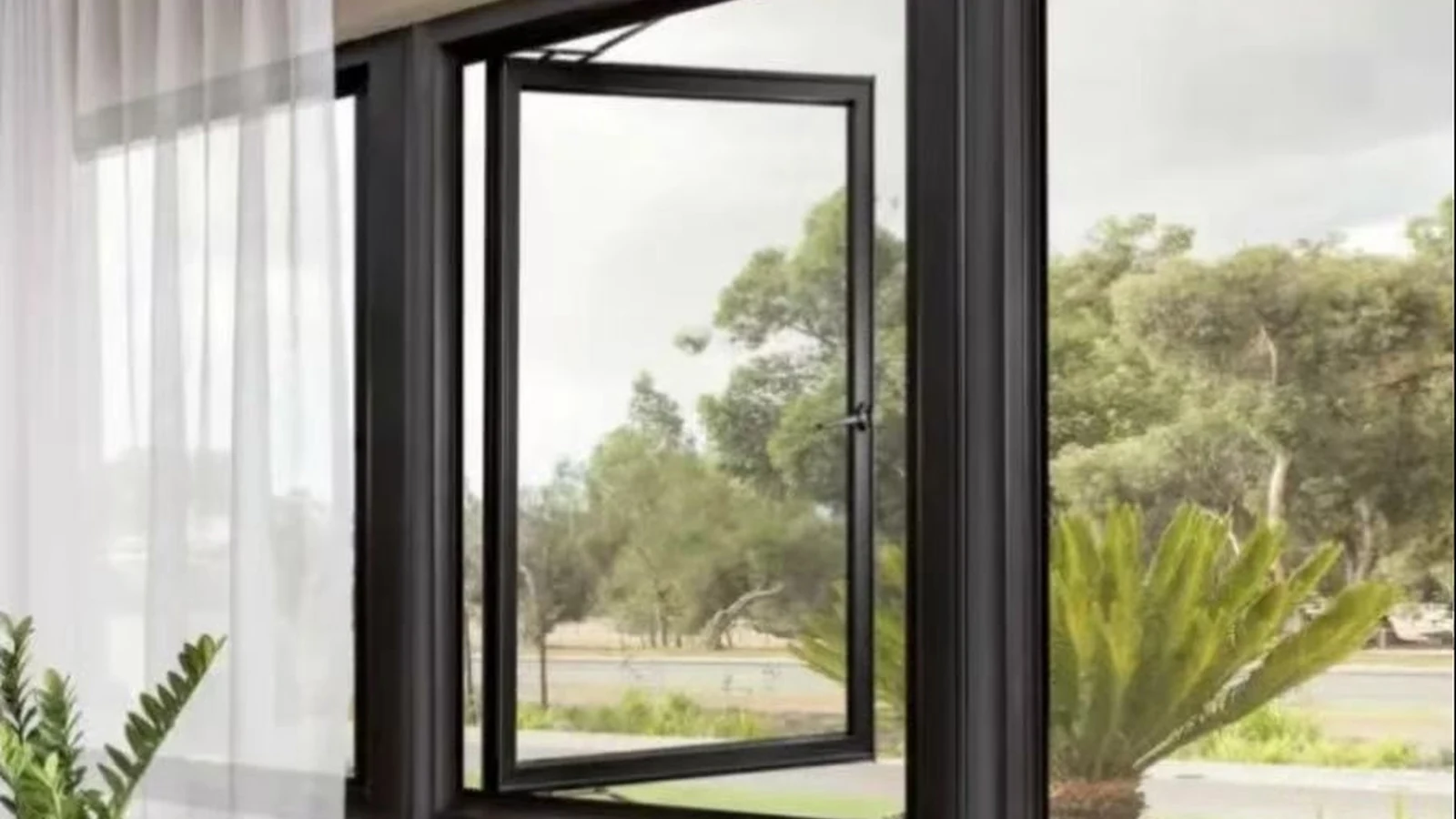
تُعدّ الأبواب والنوافذ المفصلية خيارًا مناسبًا للمشاريع التي تتطلب قوة إغلاق عالية، وإحكامًا أفضل، وسهولة في التحكم بالتهوية. يُعتبر الباب المفصلي المصنوع من الألومنيوم خيارًا عمليًا للمداخل، وغرف التشمس، والفواصل، والشرفات، وغيرها من المساحات التي يُعدّ فيها الإغلاق الآمن أمرًا بالغ الأهمية. مع ذلك، يُنصح المشترون بالتأكد من سعة المفصلات، وحجم الإطار، ووزن الزجاج، ونوع القفل قبل الطلب.
توفر أنظمة النوافذ المنزلقة مساحةً كبيرةً لعدم حاجتها إلى مساحة كافية للفتح. وهذا يُفيد الشقق والفنادق والمرافق العامة والمباني التجارية حيث تُحدّ الممرات أو حركة المرور من مساحة الفتح. كما تُتيح النوافذ المنزلقة المصنوعة من الألومنيوم التهوية والإضاءة الطبيعية مع الحفاظ على سهولة التشغيل. وتتمثل أهم معايير الفحص في دقة المسار، ونظام التصريف، وقوة البكرات، وإحكام الإغلاق عند نقاط تداخل الألواح.
تُقلل قائمة التحقق الواضحة من الأخطاء قبل التصنيع. يمكن للمشترين الاستعانة بالنقاط التالية عند مراجعة أبواب ونوافذ الألمنيوم التجارية:
| موقع المشروع | المناخ، والتعرض للأمطار، وضغط الرياح، وارتفاع المبنى |
| نوع الفتح | نظام مفصلي، أو منزلق، أو ثابت، أو قابل للطي، أو مختلط |
| مادة الإطار | ألومنيوم قياسي، ألومنيوم عازل حراري، يو بي في سي، أو خيارات أخرى |
| عبوة زجاجية | زجاج عازل للصوت، منخفض الانبعاثية، مصفح، مقسى |
| نظام إحكام الغلق | حشوات، شرائط EPDM، مادة مانعة للتسرب، تركيب إطار النافذة |
| الصرف الصحي | ميل العتبة، فتحات التصريف، تصميم المسار، مدخل التنظيف |
| الأجهزة | مفصلات، بكرات، مقابض، أقفال، نظام قفل متعدد النقاط |
| الوثائق | الرسومات، والشهادات، ومعلومات الاختبار، وتأكيد الطلب |
لأغراض التخطيط الأوسع، يمكن للمشترين مراجعة Yuxinyuntong نوافذ تُستخدم هذه الفئة لمقارنة أنماط الفتح وهياكل الإطارات. عندما تكون الأبواب جزءًا من نفس المشروع، فإن أبواب تساعد هذه الفئة المشترين على مقارنة خيارات النوافذ المنزلقة، والقابلة للطي، والفرنسية، والنوافذ المفصلية.
يتعلق الأمر بمطابقة إحكام الهواء والماء ومقاومة أحمال الرياح مع الظروف الفعلية للمبنى. قد يكون التصميم الأمثل نظام نوافذ مفصلية لضغط إغلاق أقوى، أو نظام نوافذ منزلقة لتوفير المساحة، أو تصميم مختلط للإضاءة الطبيعية والتهوية.
قبل بدء الإنتاج، يُرجى تجهيز مقاسات الفتحات، وموقع المشروع، والظروف المناخية، واحتياجات الزجاج، واللون المفضل، وتكرار الاستخدام، وأي متطلبات اعتماد. إذا كان المشروع يتطلب نوافذ وأبواب ألمنيوم مع مراجعة عملية للأداء، فيمكن للمشترين إرسال المواصفات إلى يوكسينيونتونغ لمناقشة التكوين. للحصول على رسومات أو مطابقة المنتجات، أرسل تفاصيل المشروع للمراجعة قبل تأكيد الطلب.
س: لماذا يجب على المشترين التحقق من إحكام إغلاق النوافذ والأبواب قبل طلبها؟
أ: يؤثر إحكام إغلاق النوافذ على الراحة، واستهلاك الطاقة، والتحكم في الضوضاء. قد يسمح ضعف الإحكام بتسرب الهواء غير المرغوب فيه حول الإطار أو النافذة أو المسار. لذا، ينبغي على المشترين مراجعة الحشيات، وضغط القفل، ودقة الإطار، وظروف التركيب قبل تأكيد طلبية الجملة.
س: هل تُعتبر خاصية منع تسرب الماء مشكلة تتعلق بالمنتج نفسه أم بتركيبه؟
ج: كلاهما صحيح. يحتاج المنتج إلى إحكام إغلاق مناسب، وفتحات تصريف، وتصميم عتبة ملائم، وتركيب زجاجي ملائم. كما يجب أن يراعي التركيب اتصال الجدار، والمادة المانعة للتسرب، والاستواء، ومسار تصريف المياه. حتى المنتج الجيد قد يتسرب إذا كانت الفتحة أو تفاصيل التركيب رديئة.
س: متى تصبح مقاومة أحمال الرياح أولوية؟
أ: تُصبح مقاومة أحمال الرياح مهمةً للمباني الشاهقة، والمشاريع الساحلية، والفتحات الزجاجية الكبيرة، والشرفات المكشوفة، وواجهات المحلات، والأماكن العامة. ينبغي على المشترين اختيار قوة الإطار، وتكوين الزجاج، والأدوات، وطريقة التثبيت بما يتناسب مع موقع المشروع وارتفاع المبنى.






اترك تعليقات