
Nullam dignissim, ante scelerisque the is euismod fermentum odio sem semper the is erat, a feugiat leo urna eget eros. Duis Aenean a imperdiet risus.
Nullam dignissim, ante scelerisque the is euismod fermentum odio sem semper the is erat, a feugiat leo urna eget eros. Duis Aenean a imperdiet risus.
In today’s busy global supply chain for building materials, buying involves more than just picking a supplier; it means finding a reliable partner. Yuxinyuntong operates as a dedicated company focused on the study, creation, making, and worldwide delivery of building products, mainly doors, windows, curtain walls, and related items. We stay committed to quality—particularly for our main fenestration goods. Our aim is to remove trade obstacles and offer better building options around the world. We understand that quality keeps products alive and forms the base for on-time delivery and project rules. From energy-saving system Windows, and Curtain Walls to full technical help from pre-sales advice to after-sales care, we work to cut energy use with effective products. This brings a cozy, secure, and green living space for final users. If you need a partner that can handle international rules, we welcome you to check our story and promise.
Before the widespread implementation of the NFRC (National Fenestration Rating Council) system, the US door, window, and curtain wall market experienced a chaotic period often referred to as the “Wild West.” For builders and contractors engaged in cross-border procurement, the most significant headache was the “Golden Sample” trap.
A “Golden Sample” refers to a perfect specimen hand-crafted by manufacturers specifically to pass initial screening or testing. These samples feature flawless sealing, glass coatings, and assembly craftsmanship. However, when bulk orders arrive at the construction site, the performance of the actual products often falls short. This “performance fraud,” caused by the huge discrepancy between samples and mass-produced items, harms fair market competition and brings disastrous consequences to construction projects—namely, failure to pass inspection.
We are fully aware of this industry pain point. Therefore, we chose a more difficult but transparent path: obtaining NFRC third-party certification for our entire range of doors, windows, and curtain walls. This is not just to acquire a label, but to end this market chaos. We ensure that every door, window, and curtain wall delivered to customers maintains performance standards identical to the samples tested in the laboratory.
To pass strict US building inspections, one must grasp the logic behind the NFRC rating system. NFRC is not merely a testing agency; it is the sole authoritative non-profit organization for energy performance rating of doors, windows, and curtain walls in the United States. Its impartiality stems from a unique “dual validation” mechanism, which is the core reason why we earn the trust of inspectors.
This mechanism requires products to undergo both computer simulation and physical testing. First, our product data is sent to an NFRC-accredited simulation laboratory. Based on NFRC 100 and 200 standards, complex digital simulations are performed on the thermal performance of the entire door, window, or curtain wall (including glass, frame, and spacers). Subsequently, physical products must undergo rigorous testing in an independent laboratory to verify the accuracy of the simulation data.
But it does not end there. To ensure continuous compliance, Independent Agencies (IA) like Keystone Certifications intervene. They conduct periodic surprise inspections and annual audits of our factory. This means any attempt to cut corners during mass production will result in the revocation of certification. For our clients, this full-lifecycle regulatory system serves as the strongest endorsement of quality.
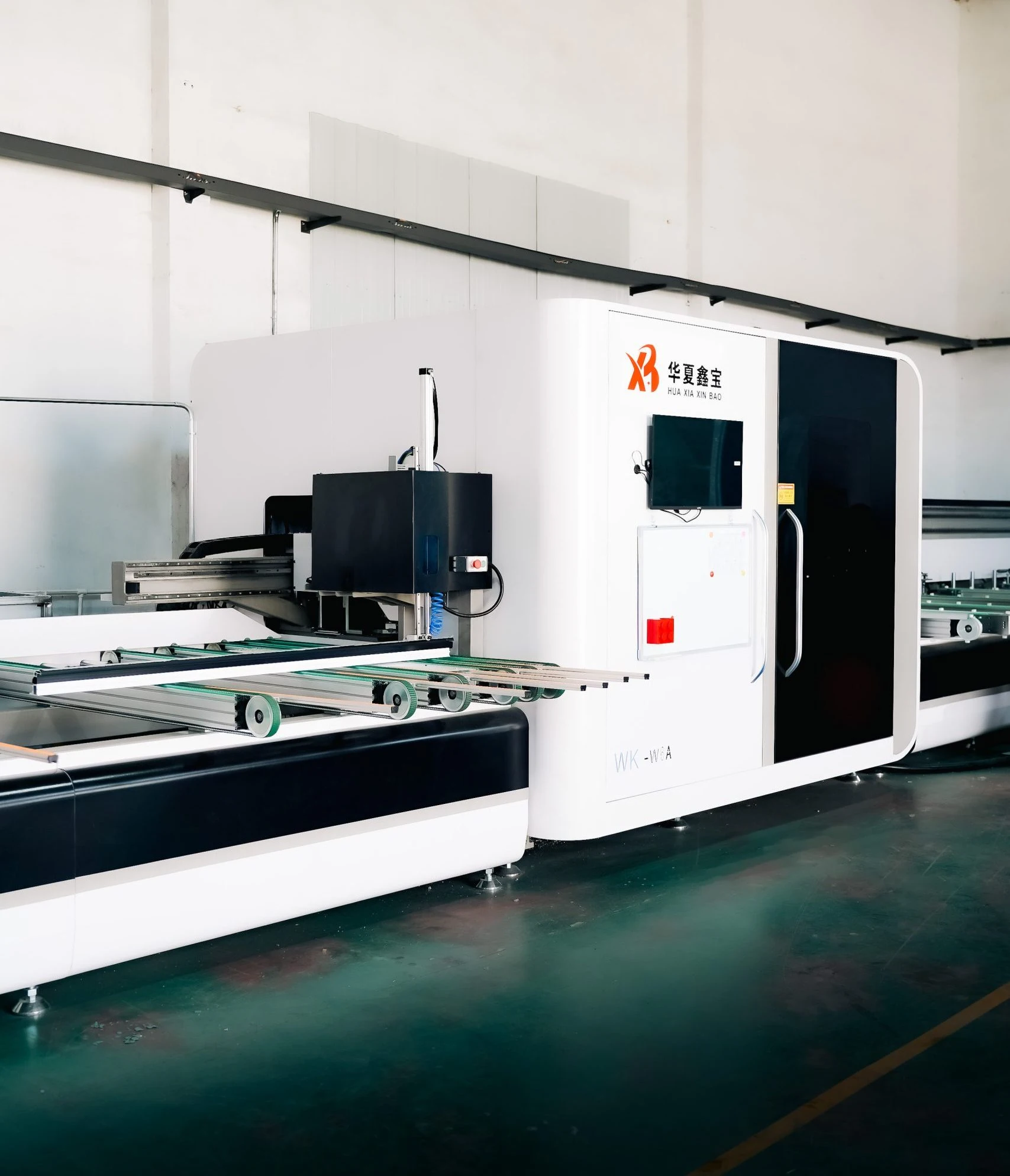
In the field of modern building energy efficiency, many core technologies remain undetectable to the naked eye. When standing before an installed door, window, or curtain wall, you cannot visually determine if the insulated glass unit is filled with sufficient Argon gas. You cannot distinguish whether the Low-E coating is single-silver or double-silver. Nor can you see if the aluminum alloy profile contains high-performance PA66 nylon thermal breaks inside.
Yet, these “invisible” details dictate the final performance of the door, window, or curtain wall. For instance, the PA66 thermal breaks used in our thermally broken aluminum profiles effectively block heat conduction through the metal frame. Our multi-layer EPDM sealing technology significantly reduces air leakage rates. Without authoritative third-party data, these technical advantages remain mere verbal promises.
Through the NFRC label, we transform these invisible technologies into visible, quantifiable data. The U-Factor marked on the label directly reflects the insulation capability of our thermal breaks and Low-E glass. The SHGC (Solar Heat Gain Coefficient) confirms the glass configuration’s effectiveness in blocking solar radiation. This data transparency allows architects and engineers to make informed decisions when selecting door, window, and curtain wall solutions, ensuring products meet specific climate zone requirements.
In the United States, both the International Residential Code (IRC) and the International Energy Conservation Code (IECC) mandate strict regulations on the energy performance of doors, windows, and curtain walls. During on-site acceptance, building inspectors do not listen to verbal explanations from suppliers; they only recognize the NFRC temporary label affixed to the glass of the door, window, or curtain wall.
If doors, windows, or curtain walls installed on-site lack this label, or if the label data does not meet the requirements of the local climate zone (such as requiring a lower U-Factor in cold northern regions or a lower SHGC in hot southern regions), the inspector has the authority to fail the inspection immediately. This leads to disastrous consequences: project delays, expensive removal and re-installation costs, and damage to commercial reputation.
Our products passing NFRC certification effectively provides clients with a “pass.” Whether under California’s strict energy efficiency standards or in Florida’s hurricane zones (combined with our wind pressure resistance design), every piece of performance data we provide holds legal validity. This simplifies the on-site inspection process and eliminates legal risks associated with import building materials compliance, allowing contractors to focus on construction rather than endless paperwork.
Besides passing inspections, using NFRC-certified products brings direct financial benefits to developers and homeowners. With policies like the Inflation Reduction Act, US states and utility companies offer generous energy rebates and tax credits. However, these incentives almost invariably require doors, windows, and curtain walls to possess NFRC ratings and often need to meet “ENERGY STAR” standards.
It is well known that NFRC certification is a prerequisite for obtaining the ENERGY STAR label. Our thermally broken aluminum door, window, and curtain wall systems, with their superior airtightness and thermal performance, easily meet these high standards. Choosing our products reduces the long-term operating costs of the building (lowering HVAC energy consumption) and helps homeowners apply for thousands of dollars in refunds.
In the competitive real estate market, this “green asset” attribute significantly enhances property value. For B2B buyers, the ability to provide end customers with high-performance products that are both compliant and cost-saving is undoubtedly a powerful differentiator.
From rejecting the false prosperity of “Golden Samples” to embracing the rigorous standards of NFRC, we firmly believe that only real data builds lasting trust. In a market full of uncertainty, we are not just manufacturing doors, windows, and curtain walls; we are exporting safety, compliance, and value. If your project requires doors, windows, and curtain walls that can withstand the strictest inspections, or if you wish to learn how specific performance parameters match your local codes, please contact our export expert team. Let us safeguard your project with professional data.
Q: What is the difference between NFRC certification and ENERGY STAR certification?
A: NFRC certification works like a “health report” for windows, fairly listing certain performance info (such as U-Factor, SHGC) without saying “good” or “bad.” ENERGY STAR is a “top prize” given to goods that hit high-saving levels in certain weather areas based on NFRC info. In short, a good must first pass NFRC testing before it can try for ENERGY STAR approval.
Q: Why must my building project use windows with NFRC labels?
A: The International Building Code (IBC) and International Residential Code (IRC) in the US clearly point to NFRC rules as the base for agreement. Building checkers use NFRC labels to check if the fitted doors and windows meet local energy laws. Without the label, checkers cannot prove the good’s real work, which often leads to check failure, causing delays and extra change costs.
Q: How can I verify the authenticity of the NFRC label data you provide?
A: Every real NFRC label has a maker code and a certain product line number printed. You can sign into the Certified Products Directory (CPD) on the official NFRC site and put in these codes for a look. We urge all buyers to do this check, as it makes sure the work of the goods you buy matches our lab-checked info fully, getting rid of the risk of “Golden Samples” completely.







Leave a comments