The following are effective soundproofing solutions:
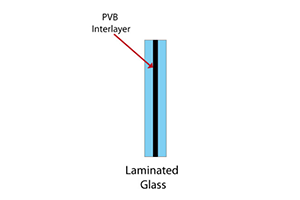
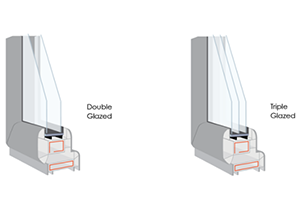
Window Soundproofing Glass Selection: Double-pane/triple-pane glass provides sound insulation through a layer of air or inert gas. Different glass thicknesses can enhance this effect. Laminated glass uses an intermediate layer to dampen vibrations and is particularly effective against low-frequency noise (such as traffic and machinery). Laminated glass can be used in combination with the two.
Window Frames and Sealing: PVC and wooden window frames provide better sound insulation than aluminum. High-quality sealing strips (such as foam rubber or silicone) should be installed and regularly inspected and replaced. Compression sealing can enhance effectiveness.
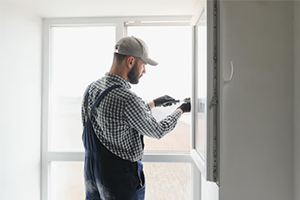
Installation Technique: Fill window gaps, ensure proper installation, and seal the perimeter with high-quality sealant.
Door Soundproofing Solid-core Doors: Solid wood or composite doors provide better sound insulation than hollow-core doors, and composite doors offer a more cost-effective solution.
Insulating Door Panels: Insulating panels made of materials such as foam and fiberglass can be added to existing doors to improve their sound insulation.
Other Considerations
Combining door and window solutions for optimal results;
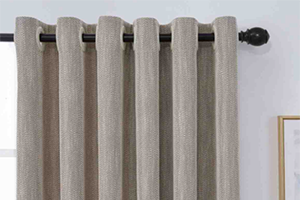
Interior soft furnishings (carpets, curtains, etc.) can absorb sound and improve the indoor acoustic environment;
Regular maintenance (inspecting and replacing seals, inspecting doors and windows) ensures long-term soundproofing.
In short, the appropriate use of these solutions can effectively reduce noise and improve the quality of life or work.