
Nullam dignissim, ante scelerisque the is euismod fermentum odio sem semper the is erat, a feugiat leo urna eget eros. Duis Aenean a imperdiet risus.
Loading
Nullam dignissim, ante scelerisque the is euismod fermentum odio sem semper the is erat, a feugiat leo urna eget eros. Duis Aenean a imperdiet risus.
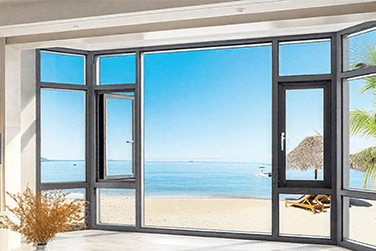
A remarkably tough polymer layer, situated between two sheets of glass, adds strength and keeps the glass intact even when it breaks. This helps fend off harm and injuries caused by wind, water, and flying debris. For optimal performance, the laminated glass can be placed on either the inner or outer panel of the insulated glass, with the specific position varying by product.
When it comes to manufacturing impact resistant windows, the choice of materials is of utmost importance as it directly affects the window’s ability to withstand external forces. Here are the key materials suitable for this purpose, categorized based on their roles in the window structure:



The frame serves as the backbone of the window, providing structural support and stability. The following materials are ideal for impact resistant window frames:


