W e l c o m e t o Y u x i n y u n t o n g

Loading

Nullam dignissim, ante scelerisque the is euismod fermentum odio sem semper the is erat, a feugiat leo urna eget eros. Duis Aenean a imperdiet risus.
What Are Energy-Efficient Windows?

What Are Energy-Efficient Windows?


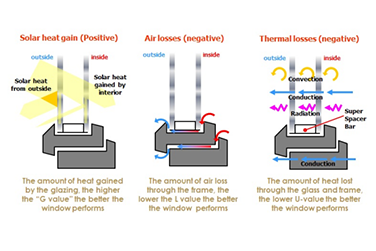
Energy-efficient windows are specialized window systems engineered to minimize heat transfer between a building’s interior and exterior, thereby reducing the energy required to heat or cool the space. Their core design focuses on thermal insulation, air tightness, and smart solar heat management.
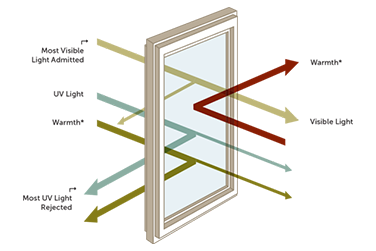


Key components that enable this efficiency include:

  • Low-E (Low-Emissivity) Glass: A thin, nearly invisible metallic coating on the glass surface that reflects infrared radiation (heat) while allowing visible light to pass through. This helps retain indoor warmth in winter and blocks external heat from entering in summer.


  • Insulated Glazing Units (IGUs): Multi-pane glass (usually 2–3 panes) with a sealed gap between them, filled with inert gases like argon or krypton (which conduct heat more slowly than air) or, in high-performance models, a vacuum. This design reduces heat transfer via conduction and convection.


  • Thermally Broken Frames: Frames made from materials like aluminum, wood, or vinyl, with a non-conductive barrier (e.g., foam or plastic) inserted to break the path of heat flow through the frame itself—critical for preventing energy loss through metal components.


  • Advanced Sealing: High-quality weatherstripping (e.g., EPDM rubber or silicone) and tight gaskets that eliminate air leaks around the window edges, stopping drafts and reducing unnecessary heat exchange.
Home
WhatsApp
Email
Contacts