
Nullam dignissim, ante scelerisque est euismod fermentum odio Sem semper l'est erat, un feugiat leo urna eget eros. Duis Énéenun imperdiet risos.
Nullam dignissim, ante scelerisque est euismod fermentum odio Sem semper l'est erat, un feugiat leo urna eget eros. Duis Énéenun imperdiet risos.
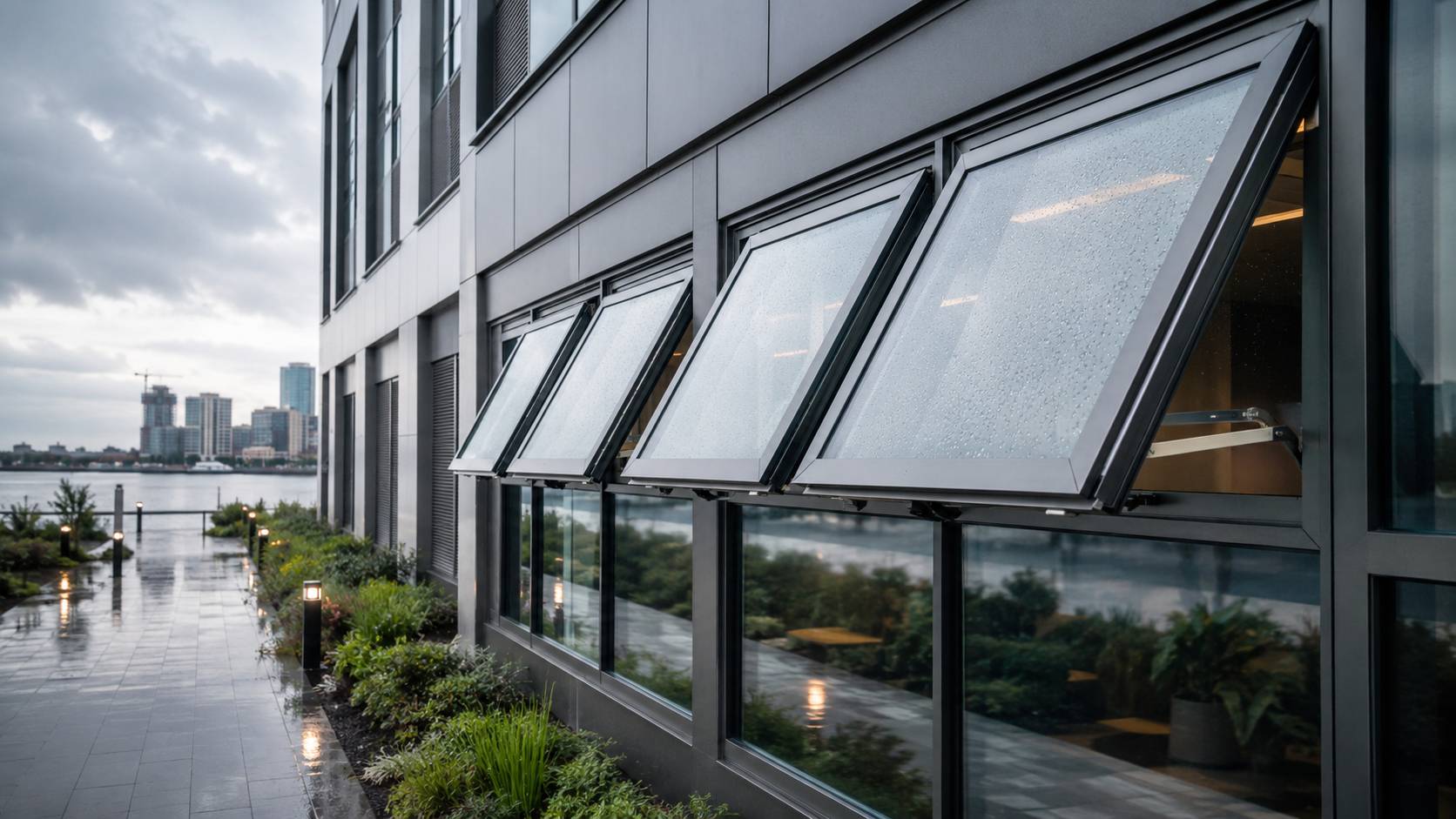
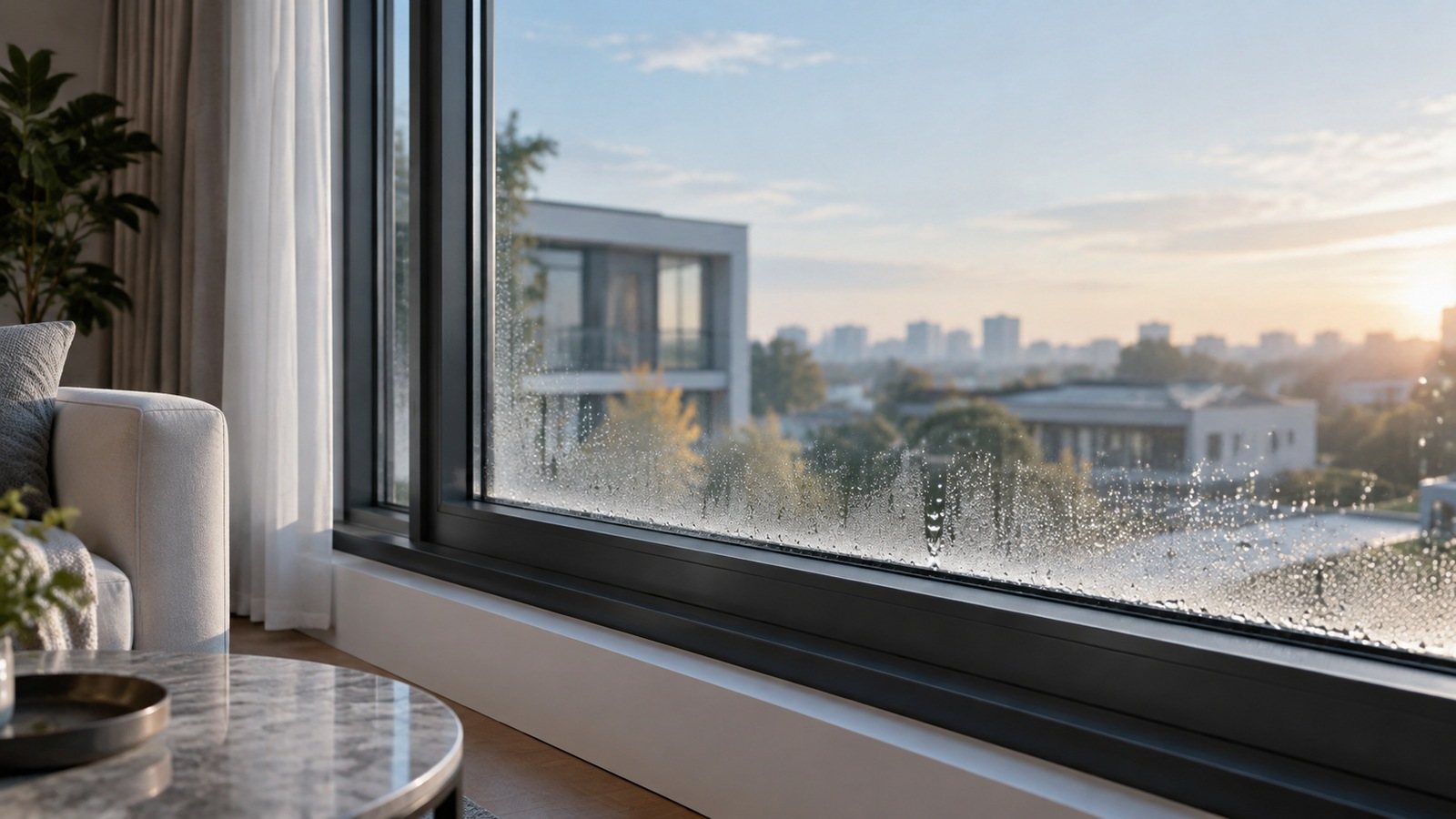
La pluie représente bien plus qu'un simple aléa climatique pour un projet de construction : elle influe sur la ventilation, l'entretien et la perception des occupants quant à l'efficacité des fenêtres après une saison humide. Dans de nombreux bâtiments commerciaux, les acheteurs recherchent des fenêtres permettant une bonne aération, tout en évitant d'exposer l'intérieur trop directement à la pluie. C'est là qu'intervient souvent la fenêtre à auvent en aluminium.
Ce guide s'adresse aux acheteurs qui comparent les options de fenêtres pour les hôtels, les bureaux, les appartements, les écoles, les cliniques et les établissements publics. L'esthétique n'est pas le critère principal. Un bon choix doit prendre en compte plusieurs facteurs, notamment le sens d'ouverture, l'exposition à la pluie, le type de vitrage, les performances thermiques, la quincaillerie, l'étanchéité et la facilité d'entretien.
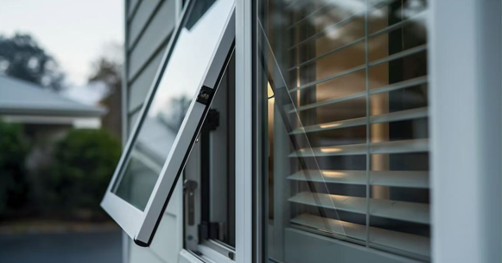
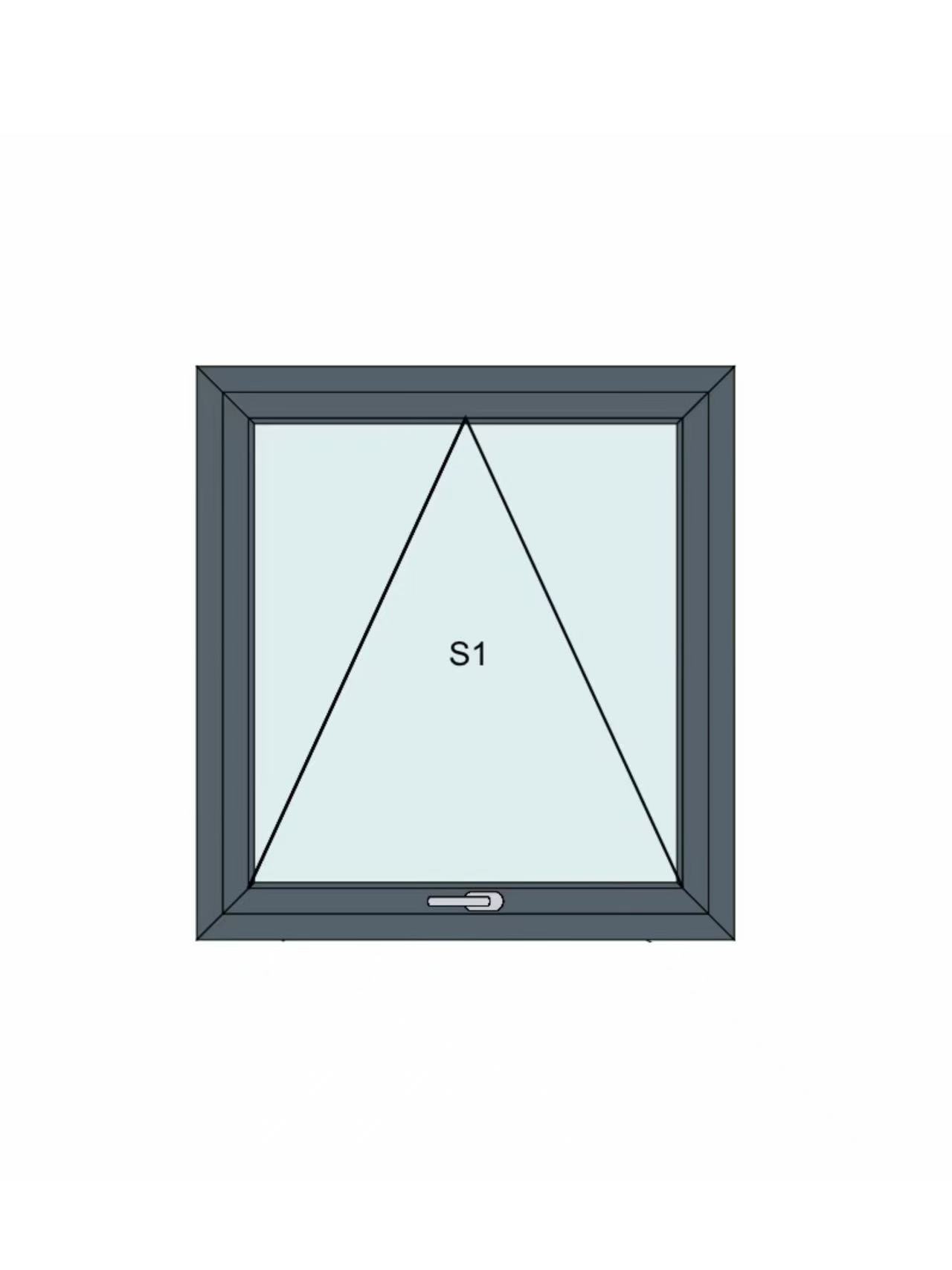
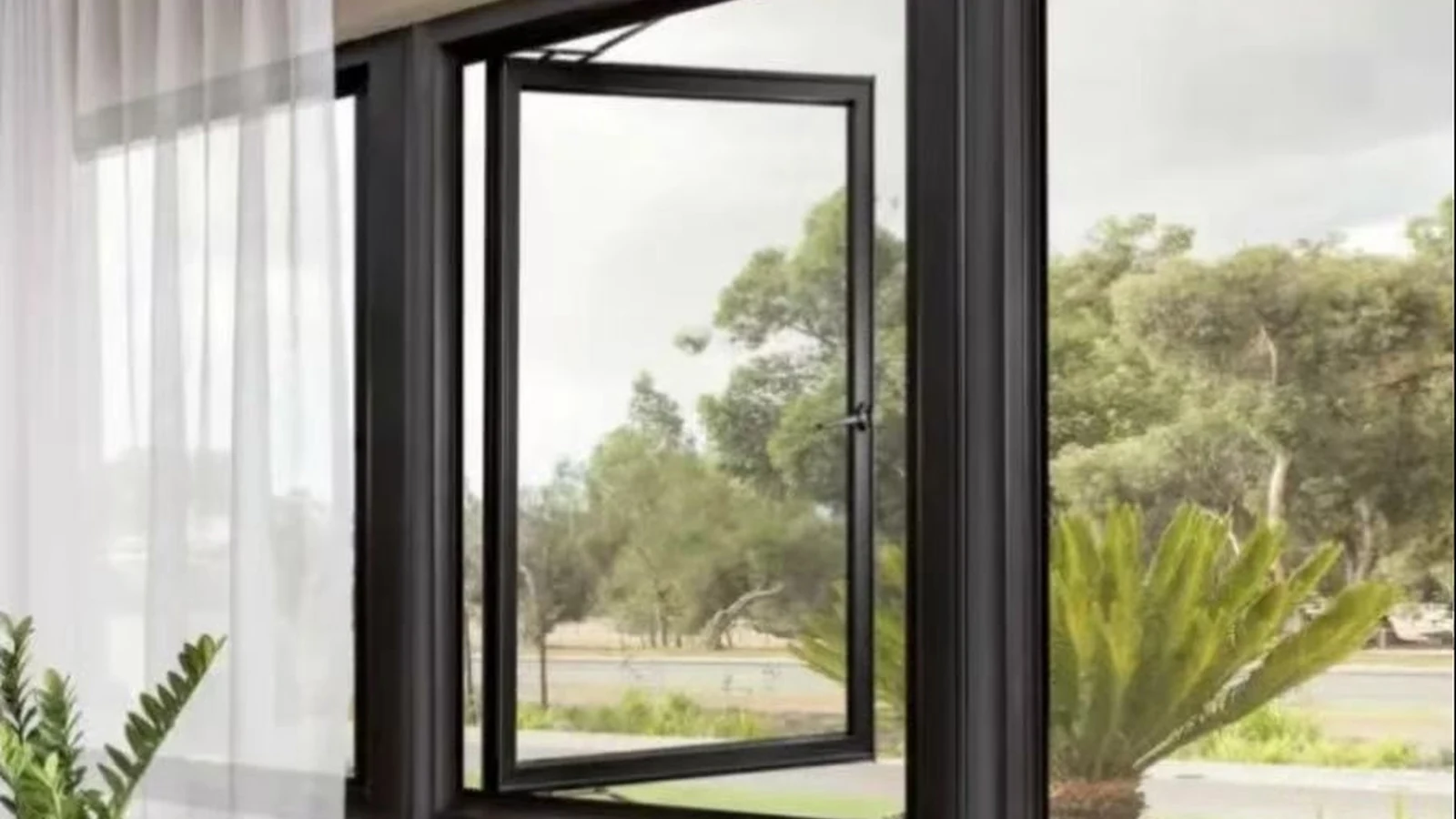
Les fenêtres à auvent sont dotées d'un vantail à charnières supérieures qui s'ouvre vers l'extérieur par le bas. Ouvert selon un angle contrôlé, ce vantail forme un petit abri au-dessus de l'ouverture. Ce système peut s'avérer utile dans les pièces nécessitant une aération, même en cas de pluie fine.
Certaines pièces nécessitent un renouvellement d'air régulier, mais ne peuvent pas compter sur de grandes fenêtres ouvertes. Les salles de bains doivent être déshumidifiées. Les cuisines ont besoin d'une bonne circulation d'air. Les locaux de service, les couloirs, les cages d'escalier et les espaces techniques des hôtels peuvent nécessiter une ventilation contrôlée sans perturber l'agencement intérieur. Dans ces espaces, les fenêtres à auvent peuvent être plus pratiques qu'une fenêtre à guillotine ou qu'une fenêtre nécessitant un grand dégagement latéral.
L'essentiel est d'adapter le style d'ouverture à l'usage réel de la pièce. Si la fenêtre est difficile d'accès, la quincaillerie doit être facile à manipuler. Si l'espace est étroit, l'ouverture ne doit pas gêner les meubles, les accessoires ou les cloisons.
Les espaces commerciaux sont souvent conçus avec un agencement compact. Meubles, lavabos, comptoirs, gaines techniques, étagères ou cloisons intérieures peuvent se trouver à proximité immédiate de la baie vitrée. L'ouverture extérieure d'une fenêtre à auvent permet de garder l'intérieur plus propre et plus facile d'accès. C'est pourquoi, dès les premières étapes de la conception, les acheteurs comparent les fenêtres à auvent en aluminium aux fenêtres à battants, coulissantes ou fixes.
L'étanchéité à la pluie n'est pas automatique. L'ouverture en partie supérieure offre une protection supplémentaire, mais le système de fenêtre complet reste primordial. Avant de confirmer leur commande, les acheteurs doivent vérifier l'élévation du bâtiment, la direction du vent, l'ouverture du mur, la conception de l'appui de fenêtre et le mode de pose.
Un auvent peut favoriser la ventilation en cas de pluie légère, mais il ne constitue pas une solution miracle pour toutes les intempéries. En cas de fortes pluies accompagnées de vent, l'eau peut s'infiltrer par l'ouverture. Le comportement d'une fenêtre sous un avant-toit sera différent de celui d'une fenêtre située à un étage supérieur exposé.
C’est pourquoi l’équipe de projet doit indiquer l’exposition à la pluie en fonction de l’altitude. Les exigences de performance peuvent varier selon qu’il s’agisse de la fenêtre d’un couloir abrité, de celle d’une salle de bain d’hôtel ou d’une façade donnant sur la mer.
L'étanchéité dépend de l'ajustement entre le cadre et le vantail, de la qualité du joint, du détail du seuil, du système d'évacuation des eaux et de l'étanchéité du mur. Un plan impeccable peut présenter des défauts sur le chantier si l'ouverture est irrégulière ou si l'étanchéité est mal appliquée. Dans les régions pluvieuses, il est important de se renseigner sur le système d'évacuation des eaux pluviales, la compression du joint à la fermeture et la compatibilité du système d'installation avec le mur.
Les régions pluvieuses ne sont pas toujours des régions fraîches. Certaines sont chaudes et humides, d'autres connaissent des hivers froids et des saisons humides. L'acheteur doit donc évaluer les performances thermiques en tenant compte du climat local et de l'usage de la pièce.
Un cadre en aluminium standard et un cadre à rupture de pont thermique ne fonctionnent pas de la même manière. Les profilés en aluminium à rupture de pont thermique utilisent une barrière isolante entre les sections intérieure et extérieure en aluminium. Des bandes de nylon polyamide sont couramment utilisées à cet effet. Elles contribuent à réduire le transfert direct de chaleur à travers le cadre.
Le type de verre influe également sur le résultat. Le verre à faible émissivité (Low-E) contribue à limiter les transferts thermiques. Le double vitrage assure à la fois une isolation thermique et un confort acoustique. Pour les projets comparant des fenêtres à rupture de pont thermique en verre Low-E, le calendrier doit préciser la composition du vitrage avant la production.
Une mention vague comme « fenêtre à économie d'énergie » est insuffisante. Les acheteurs doivent vérifier le système de cadre, le type de vitrage, l'étanchéité à l'air, la pression des ferrures et l'étanchéité de l'installation. C'est pourquoi ils consultent souvent les normes de performance thermique des fenêtres à auvent en aluminium avant de confirmer les spécifications finales. Détails relatifs aux ferrures et à l'étanchéité à vérifier.
Une fenêtre qui paraît correcte sur le plan peut décevoir si sa quincaillerie est fragile ou difficile à entretenir. Les fenêtres à auvent dépendent des charnières, des compas, des poignées, des verrous et des joints pour assurer leur bon fonctionnement.
Les bâtiments commerciaux sont généralement utilisés plus fréquemment que les espaces résidentiels. Une fenêtre de salle de bain d'hôtel, une fenêtre de couloir d'école ou une fenêtre de buanderie de bureau peuvent être ouvertes et fermées de nombreuses fois par différents utilisateurs. La quincaillerie doit être robuste. Le mécanisme d'ouverture doit être adapté à la hauteur d'installation et à la fréquence d'utilisation.
Les acheteurs doivent également se renseigner sur la possibilité de nettoyer, de régler ou de remplacer le matériel sans perturbation majeure. Ce point est important pour les bâtiments ayant de longues heures d'ouverture.
L'étanchéité ne se limite pas à la protection contre la pluie. Elle influe également sur les fuites d'air, le bruit, la poussière et le confort intérieur. Les joints, les raccords d'angle, la pression de verrouillage et la précision de la pose sont autant d'éléments essentiels. Dans les pièces exposées au passage, au vent ou à des pluies fréquentes, l'étanchéité doit être considérée comme une exigence fondamentale et non comme un simple accessoire.
Pour les acheteurs comparant différentes options de fenêtres à auvent pour un usage commercial, la meilleure option est celle qui offre le bon équilibre entre la solidité du cadre, le vitrage, la quincaillerie, l'étanchéité et l'accessibilité pour l'entretien.
La fenêtre à auvent en aluminium est utile dans de nombreux espaces, mais toutes les ouvertures d'un bâtiment ne devraient pas être équipées du même type de fenêtre. Un cahier des charges pertinent distingue les zones selon leur fonction.
Les salles de bains et les cuisines nécessitent souvent une ventilation, car l'humidité et les odeurs s'y accumulent rapidement. Une fenêtre à guillotine à charnières supérieures favorise la circulation de l'air tout en offrant une certaine protection en cas de pluie fine. Pour ces pièces, les acheteurs doivent vérifier la présence de vitrage opaque, la hauteur d'ouverture, la résistance à la corrosion des ferrures et la facilité de nettoyage.
Les locaux techniques peuvent contenir des équipements mécaniques à proximité ; il convient donc de vérifier le cheminement des châssis et l'accès aux poignées avant la production.
Dans les bureaux, on peut utiliser des fenêtres à auvent dans les couloirs, les salles de réunion ou les espaces de travail secondaires. Les hôtels peuvent les installer dans les salles de bains, les zones techniques ou certaines chambres. Les écoles et les cliniques peuvent privilégier une ouverture contrôlée pour des raisons de sécurité et de surveillance.
Dans les établissements publics, les spécifications doivent également tenir compte du comportement des utilisateurs. Une fenêtre simple d'utilisation, difficile à mal utiliser et facile à entretenir offrira généralement de meilleures performances sur le long terme.
Une fois que la fonction de la pièce, la position d'ouverture, l'exposition à la pluie, les besoins en vitrage et l'accès pour la maintenance sont clairement définis, la comparaison des produits devient plus facile. de Yuxinyuntong Il propose des solutions pour les fenêtres, les portes et les matériaux de construction connexes, permettant ainsi aux acheteurs de comparer les options de fenêtres dans un ensemble de construction plus complet, si nécessaire.
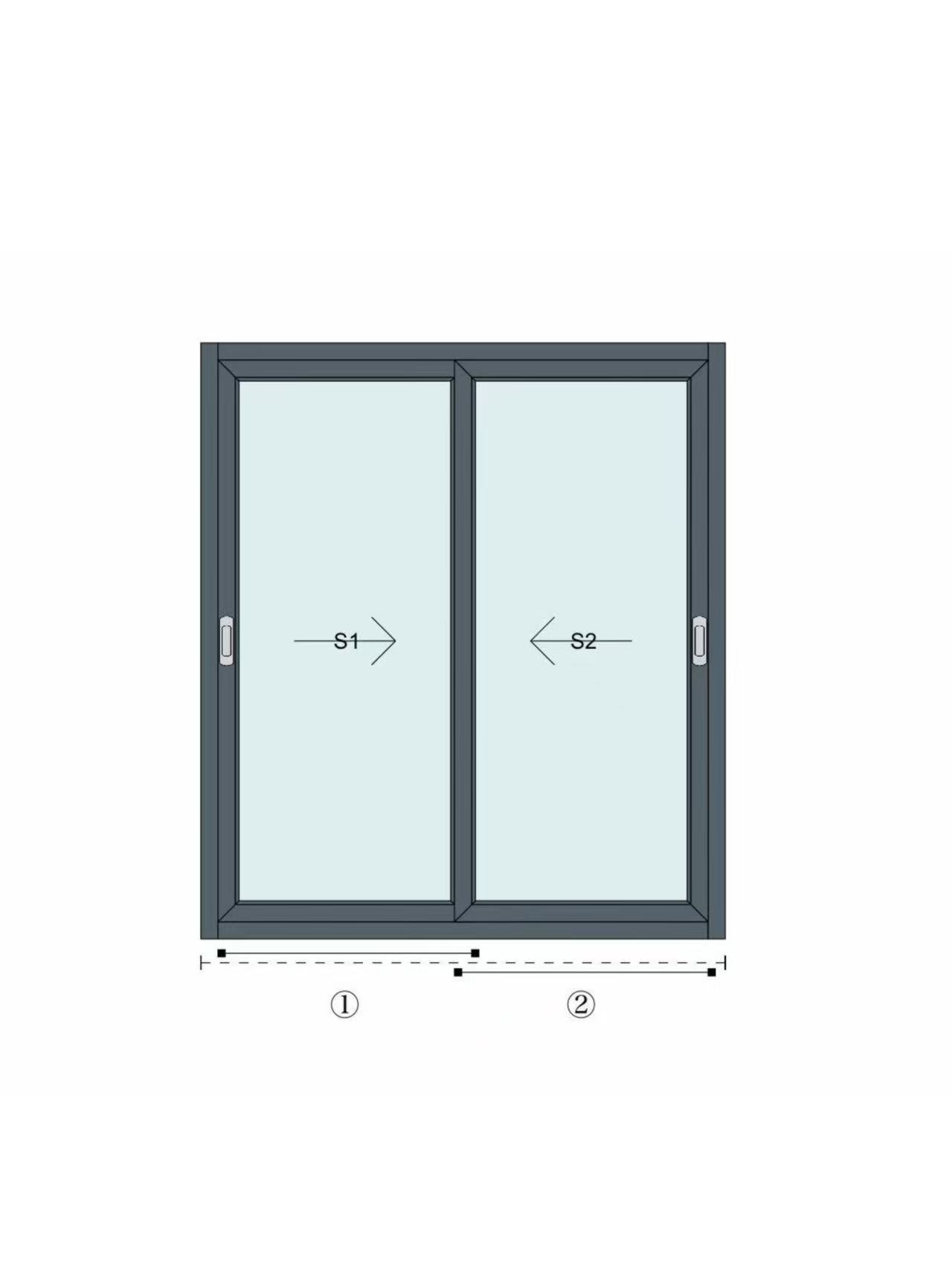
Le fenêtres Cette catégorie est utile lorsqu'un projet nécessite plusieurs types d'ouvertures. Un bâtiment peut ainsi comporter des fenêtres à auvent dans les pièces humides, des fenêtres fixes pour l'éclairage naturel, des fenêtres coulissantes dans les espaces restreints et des fenêtres à battants lorsqu'une ventilation plus importante est souhaitée.
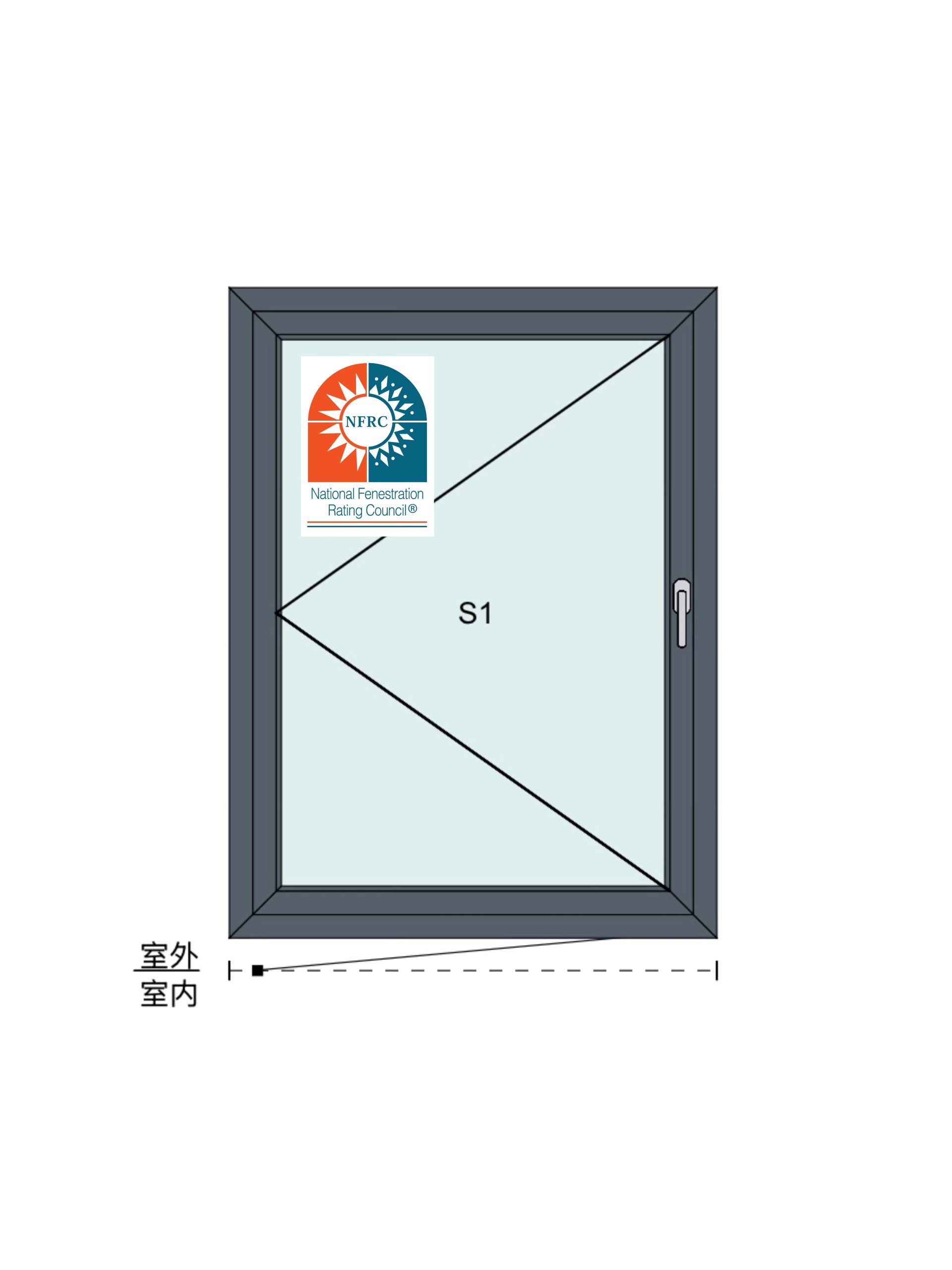
Yuxinyuntong Ouverture Fenêtre Ce modèle peut être envisagé lorsque les acheteurs recherchent une ouverture extérieure à charnière supérieure pour une ventilation contrôlée en cas de pluie légère. Ses profilés en aluminium à rupture de pont thermique, ses bandes en nylon polyamide, sa conception étanche et sa structure optimisée pour les intempéries contribuent à une isolation, une durabilité, une résistance au vent et une étanchéité à l'eau optimales.
Avant de confirmer la production, les acheteurs doivent examiner les détails du projet et non se fier uniquement au nom de la fenêtre. Les points ci-dessous peuvent aider à transformer une demande générale en un cahier des charges plus précis.
Zone d'intervention : salle de bains, cuisine, couloir, chambre d'hôtel, bureau ou établissement public.
Conditions climatiques : exposition à la pluie, direction du vent, humidité, orientation du soleil et protection de la façade.
Position d'ouverture : hauteur du seuil, dégagement extérieur, aménagements intérieurs, accès pour le nettoyage et limites de sécurité.
Cadre et vitrage : profilés standard en aluminium ou en aluminium à rupture de pont thermique, verre à faible émissivité, verre isolant, verre feuilleté ou verre trempé.
Quincaillerie et étanchéité : type de charnière, poignée de manivelle, butée de friction, serrure, joint, ajustement cadre-vantail et détail du seuil.
Exigences de performance : étanchéité à l’air, étanchéité à l’eau, résistance à la charge du vent, contrôle acoustique et plan de maintenance.
Détails de la commande : taille, quantité, couleur du cadre, étiquette d’emballage, séquence de livraison et statut d’approbation finale.
Le choix d'une fenêtre à auvent pour un projet commercial doit se baser sur les caractéristiques de la pièce et le climat, et non sur l'image du catalogue. L'exposition à la pluie, les besoins en ventilation, les performances thermiques, l'accessibilité des ferrures et la qualité de l'étanchéité sont autant d'éléments qui influencent le résultat final. Un cahier des charges précisera l'emplacement de la fenêtre, son mode d'ouverture, le type de vitrage, son système d'étanchéité et son entretien.
Pour les bâtiments commerciaux situés dans des climats pluvieux et nécessitant une assistance pour la configuration des fenêtres, les acheteurs peuvent Veuillez envoyer les plans, les dimensions des ouvertures et les détails des quantités pour la mise en correspondance avec le projet. avant de confirmer la production.
Q : Les fenêtres à auvent sont-elles adaptées aux climats pluvieux ?
A: Les fenêtres à auvent sont souvent privilégiées dans les régions pluvieuses car leur châssis à charnières supérieures s'ouvrant vers l'extérieur favorise la circulation de l'air tout en offrant une protection partielle contre la pluie fine. Il est toutefois conseillé aux acheteurs de vérifier l'exposition à la pluie, la direction du vent, le drainage, l'étanchéité et la qualité de l'installation avant de passer commande.
Q : Que doivent vérifier les acheteurs avant de commander des fenêtres à auvent pour des bâtiments commerciaux ?
A : Les acheteurs doivent confirmer la fonction de la pièce, la hauteur d'ouverture, le dégagement extérieur, le système de cadre, le vitrage, la quincaillerie, l'étanchéité, la résistance à la charge du vent, l'étanchéité à l'eau, l'accès pour l'entretien, la taille, la quantité et les étiquettes d'emballage.
Q : Comment les fenêtres à auvent assurent-elles la ventilation et la protection contre les intempéries ?
A : Le vantail s'ouvre vers l'extérieur par le bas tout en étant articulé en haut, créant une ouverture inclinée qui favorise la circulation de l'air et offre une protection partielle contre la pluie. La stabilité de ses performances dépend néanmoins de la conception du cadre, du vitrage, des joints, de la quincaillerie et d'une installation correcte.








Laisser un commentaire