
Nullam dignissim, ante scelerisque es euismod fermentum odio Sem semper el es erat, un feugiat leo urna eget eros. Duis Eneoun imperdiet risos.
Nullam dignissim, ante scelerisque es euismod fermentum odio Sem semper el es erat, un feugiat leo urna eget eros. Duis Eneoun imperdiet risos.
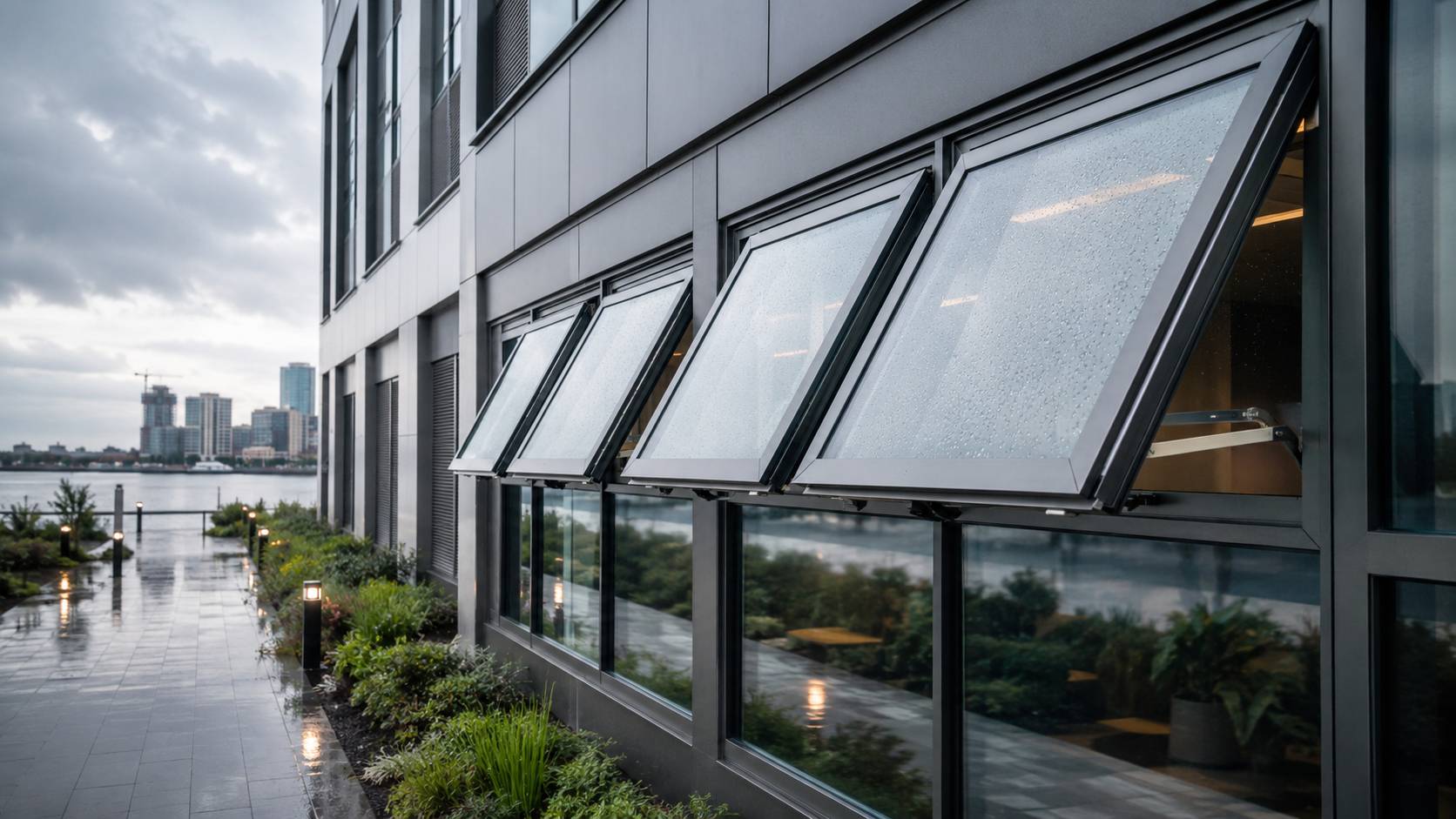
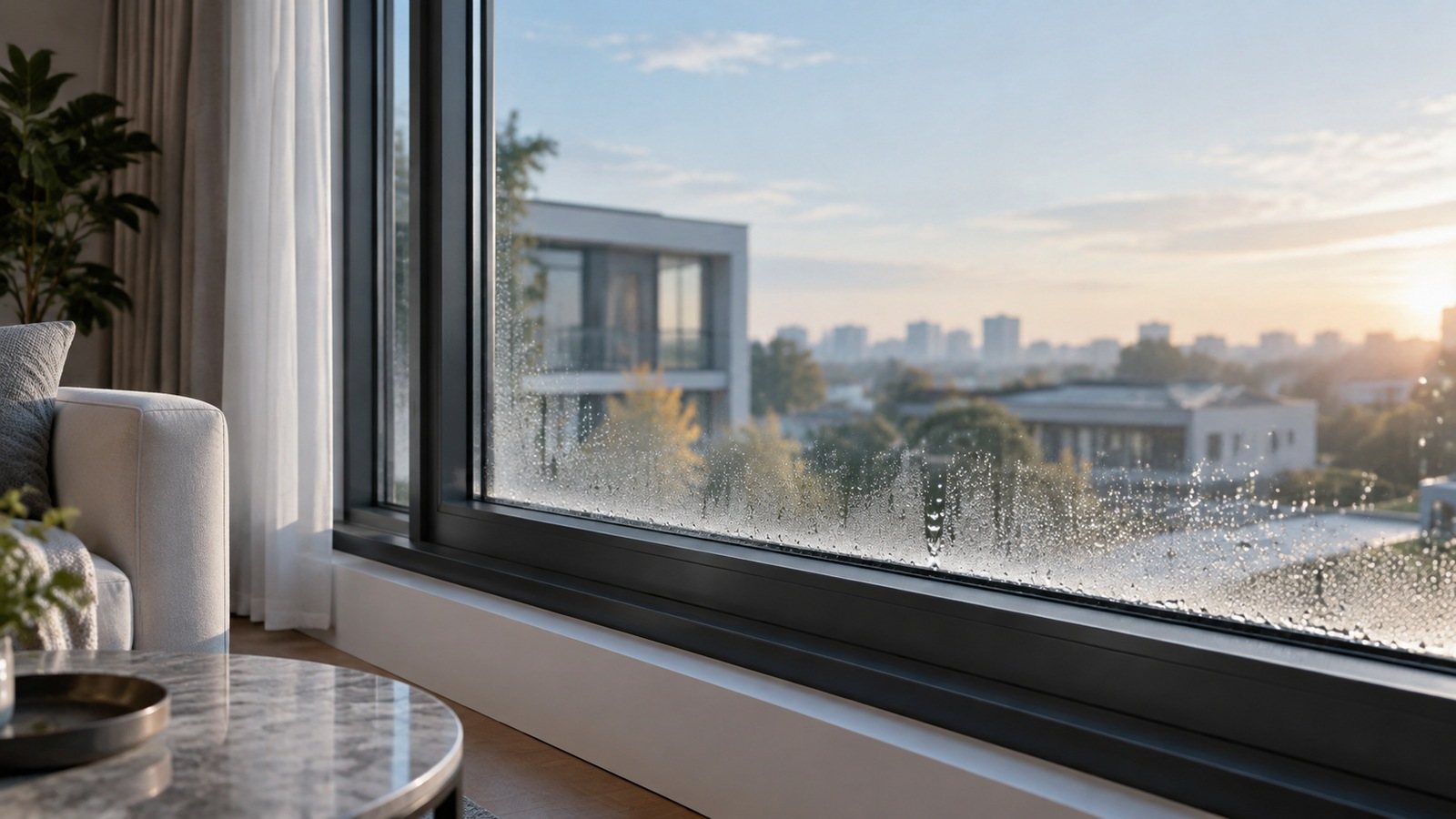
La lluvia es más que un problema climático para un proyecto de construcción, ya que afecta la ventilación, el mantenimiento y la percepción que tienen los ocupantes sobre el rendimiento de las ventanas después de una temporada de lluvias. En muchos edificios comerciales, los compradores buscan ventanas que permitan la entrada de aire. Al mismo tiempo, desean evitar que el interior quede expuesto directamente a la lluvia. Es ahí donde las ventanas de toldo de aluminio suelen ser una opción a considerar.
Esta guía está dirigida a compradores que comparan opciones de ventanas para hoteles, oficinas, apartamentos, escuelas, clínicas e instalaciones públicas. El enfoque no se centra en la apariencia. Una buena decisión de compra debe considerar varios factores, como la posición de apertura, la exposición a la lluvia, el tipo de vidrio, el rendimiento térmico, los herrajes, el sellado y el acceso para el mantenimiento.
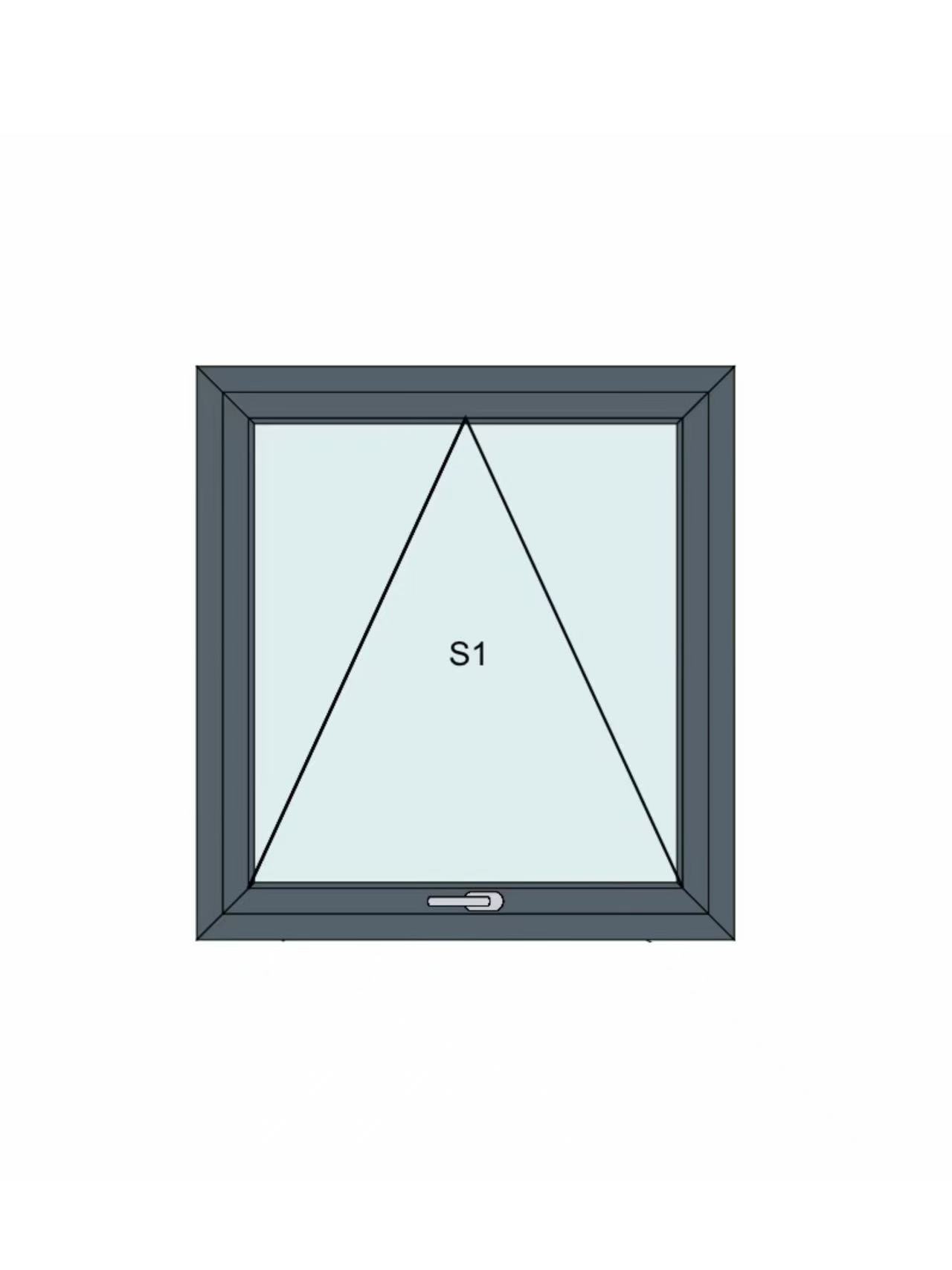
Las ventanas abatibles utilizan una hoja con bisagra superior que se abre hacia afuera desde la parte inferior. Al abrirse con un ángulo controlado, la hoja crea una pequeña cubierta sobre la abertura. Esta estructura puede ser útil en habitaciones que necesitan ventilación incluso cuando existe la posibilidad de lluvia ligera.
Algunas habitaciones necesitan ventilación constante, pero no pueden depender de tener las ventanas completamente abiertas. Los baños necesitan eliminar la humedad. Las cocinas necesitan circulación de aire. Las habitaciones de servicio, los pasillos, las escaleras y los cuartos de servicio de los hoteles pueden necesitar ventilación controlada sin alterar la distribución interior. En estos espacios, las ventanas abatibles pueden ser más prácticas que las ventanas que se abren hacia adentro o que requieren un gran espacio lateral.
La clave está en adaptar el estilo de apertura al uso real de la habitación. Si la ventana es de difícil acceso, los herrajes deben ser fáciles de usar. Si el espacio es estrecho, la abertura no debe interferir con armarios, accesorios o tabiques.
Los locales comerciales suelen tener una distribución muy compacta. Muebles, lavabos, mostradores, conductos mecánicos, estanterías o tabiques interiores pueden estar muy cerca de la ventana. Dado que una ventana abatible se abre hacia afuera, permite mantener el interior más limpio y facilita su uso. Por este motivo, los compradores comparan las ventanas abatibles de aluminio con las opciones de apertura lateral, correderas o fijas durante la fase inicial de diseño.
La protección contra la lluvia no es automática. El diseño con bisagra superior ayuda, pero el sistema de ventana completo sigue siendo importante. Los compradores deben verificar la elevación, la dirección del viento, la abertura en la pared, el diseño del alféizar y el método de instalación antes de confirmar el pedido.
Un marco de toldo puede proporcionar ventilación durante lluvias ligeras, pero no debe considerarse una solución para todas las tormentas. Las lluvias intensas con viento fuerte pueden empujar el agua hacia la abertura. Una ventana bajo un alero se comportará de manera diferente a una ubicada en un piso superior expuesto.
Por eso, el equipo del proyecto debe indicar la exposición a la lluvia según la altura. Una ventana en un pasillo protegido, la ventana de un baño de hotel y una fachada orientada al mar pueden requerir diferentes niveles de rendimiento.
La estanqueidad depende del ajuste entre el marco y la hoja, la calidad de la junta, el detalle del umbral, el sistema de drenaje y el sellado de la pared. Un plano bien diseñado puede fallar en obra si la abertura es irregular o el sellado es deficiente. En climas lluviosos, pregunte cómo se evacua el agua del marco, cómo se comprime la junta al cerrarse y si el detalle de instalación se ajusta al sistema de pared.
Los climas lluviosos no siempre son fríos. Algunos son cálidos y húmedos. Otros tienen inviernos fríos y estaciones lluviosas. Por lo tanto, el comprador debe evaluar el rendimiento térmico teniendo en cuenta el clima local y la función de la habitación.
Un marco de aluminio estándar y un marco con rotura de puente térmico no funcionan igual. Los perfiles de aluminio con rotura de puente térmico utilizan una barrera aislante entre las secciones de aluminio interior y exterior. Para ello, se suelen utilizar tiras de poliamida y nailon. Estas tiras ayudan a reducir la transferencia directa de calor a través del marco.
El tipo de vidrio también influye en el resultado. El vidrio de baja emisividad ayuda a controlar la transferencia de calor. El vidrio aislante proporciona tanto aislamiento térmico como confort acústico. En proyectos que comparan ventanas con rotura de puente térmico y vidrio de baja emisividad, el cronograma debe especificar claramente la composición del vidrio antes de la producción.
Una nota vaga como "ventana de ahorro energético" no es suficiente. Los compradores deben confirmar el sistema de marco, el tipo de vidrio, el sellado hermético, la presión de los herrajes y el sellado de la instalación. Por eso, los compradores suelen revisar las normas de rendimiento térmico de las ventanas abatibles de aluminio antes de confirmar las especificaciones finales. Detalles de herrajes y sellado que los compradores deben revisar
Una ventana que se ve bien en el dibujo puede resultar decepcionante si los herrajes son débiles o difíciles de mantener. Las ventanas abatibles dependen de bisagras, soportes, manijas, cerraduras y juntas para garantizar un movimiento estable.
Los edificios comerciales suelen tener un uso más frecuente que las viviendas. La ventana del baño de un hotel, la del pasillo de una escuela o la de una oficina pueden abrirse y cerrarse muchas veces por diferentes usuarios. El mecanismo debe ser estable. El sistema de apertura debe ser adecuado a la altura de instalación y al acceso diario.
Los compradores también deben preguntar si el hardware se puede limpiar, ajustar o reemplazar sin mayores inconvenientes. Esto es importante para edificios con largas jornadas de funcionamiento.
El sellado no solo protege de la lluvia. También influye en las fugas de aire, el ruido, el polvo y el confort interior. Las juntas, las uniones de las esquinas, la presión de bloqueo y la precisión de la instalación son factores clave. Si una habitación está expuesta al tránsito, al viento o a lluvias frecuentes, el sellado debe considerarse un elemento fundamental, no un complemento secundario.
Para los compradores que comparan diferentes opciones de ventanas abatibles para uso comercial, la mejor opción es aquella que ofrece el equilibrio adecuado entre la resistencia del marco, el vidrio, los herrajes, el sellado y el acceso para el servicio.
La ventana abatible de aluminio es útil en muchos espacios, pero no todas las aberturas de un edificio deben usar el mismo tipo de ventana. Una buena especificación diferencia las áreas según su función.
Los baños y las cocinas suelen necesitar ventilación, ya que la humedad y los olores se acumulan rápidamente. Una ventana con bisagra superior hacia afuera facilita la circulación del aire y ofrece cierta protección contra la lluvia ligera. Para estas habitaciones, los compradores deben verificar el tipo de vidrio (que proporciona privacidad), la altura de apertura, la resistencia a la corrosión de los herrajes y la facilidad de limpieza.
Es posible que en las salas de servicio haya equipos mecánicos cerca, por lo que se debe comprobar el recorrido de la ventana y el acceso a la manija antes de la puesta en marcha.
Las oficinas pueden utilizar ventanas abatibles en pasillos, salas de reuniones o espacios de trabajo secundarios. Los hoteles pueden usarlas en baños, áreas de servicio o en ciertas habitaciones. Las escuelas y clínicas pueden preferir la apertura controlada por motivos de seguridad y supervisión.
En instalaciones públicas, las especificaciones también deben tener en cuenta el comportamiento del usuario. Una ventana que sea fácil de usar, difícil de manipular y fácil de mantener generalmente tendrá un mejor rendimiento a largo plazo.
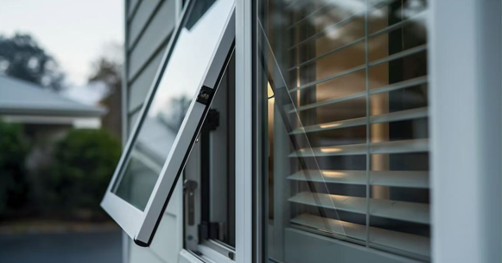
Una vez que se tienen claras la función de la habitación, la posición de apertura, la exposición a la lluvia, las necesidades de vidrio y el acceso para el mantenimiento, la comparación de productos resulta más sencilla. Yuxinyuntong Trabaja con ventanas, puertas y materiales de construcción relacionados, para que los compradores puedan comparar las opciones de ventanas dentro de un paquete de construcción más amplio cuando sea necesario.
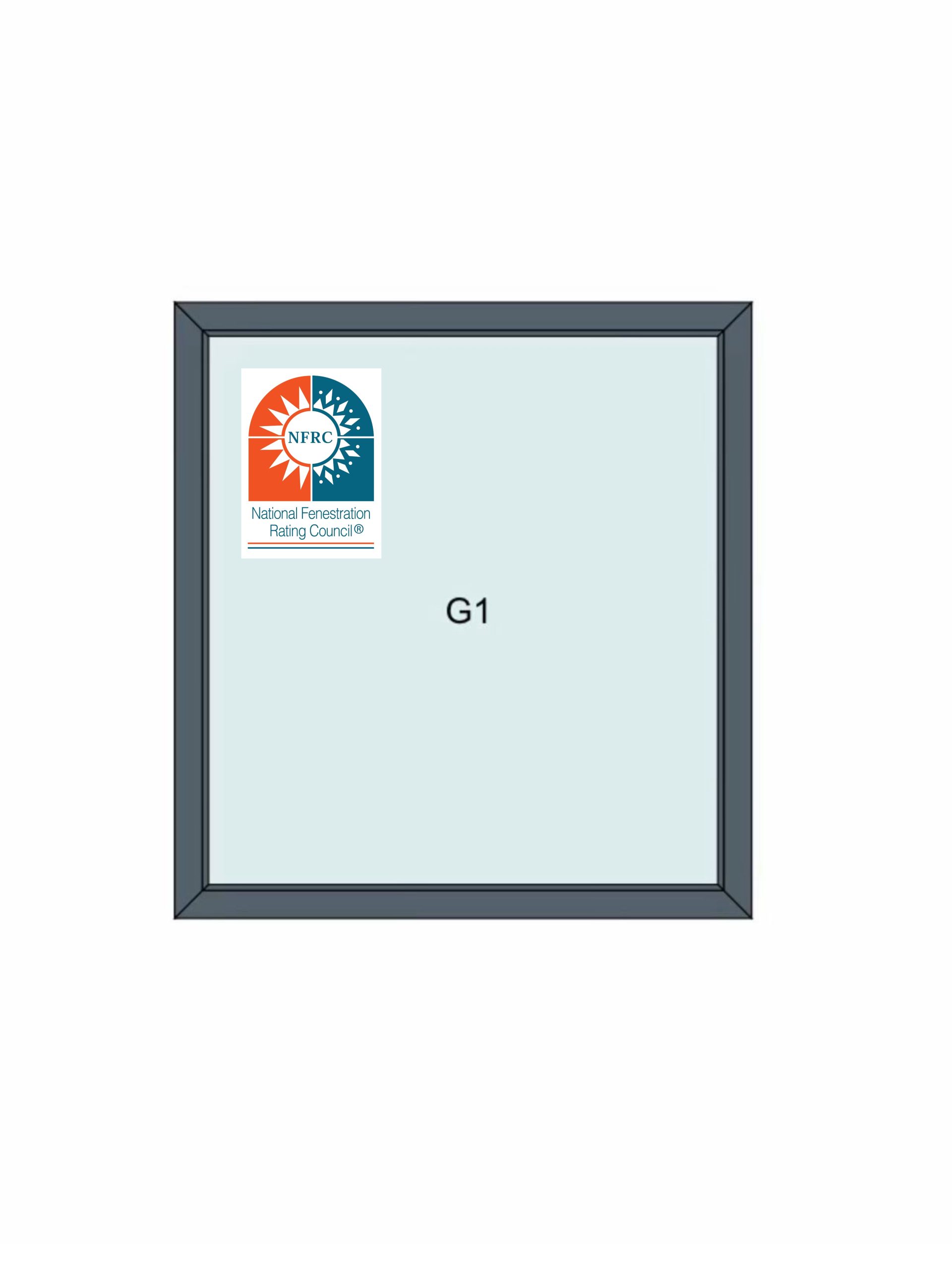
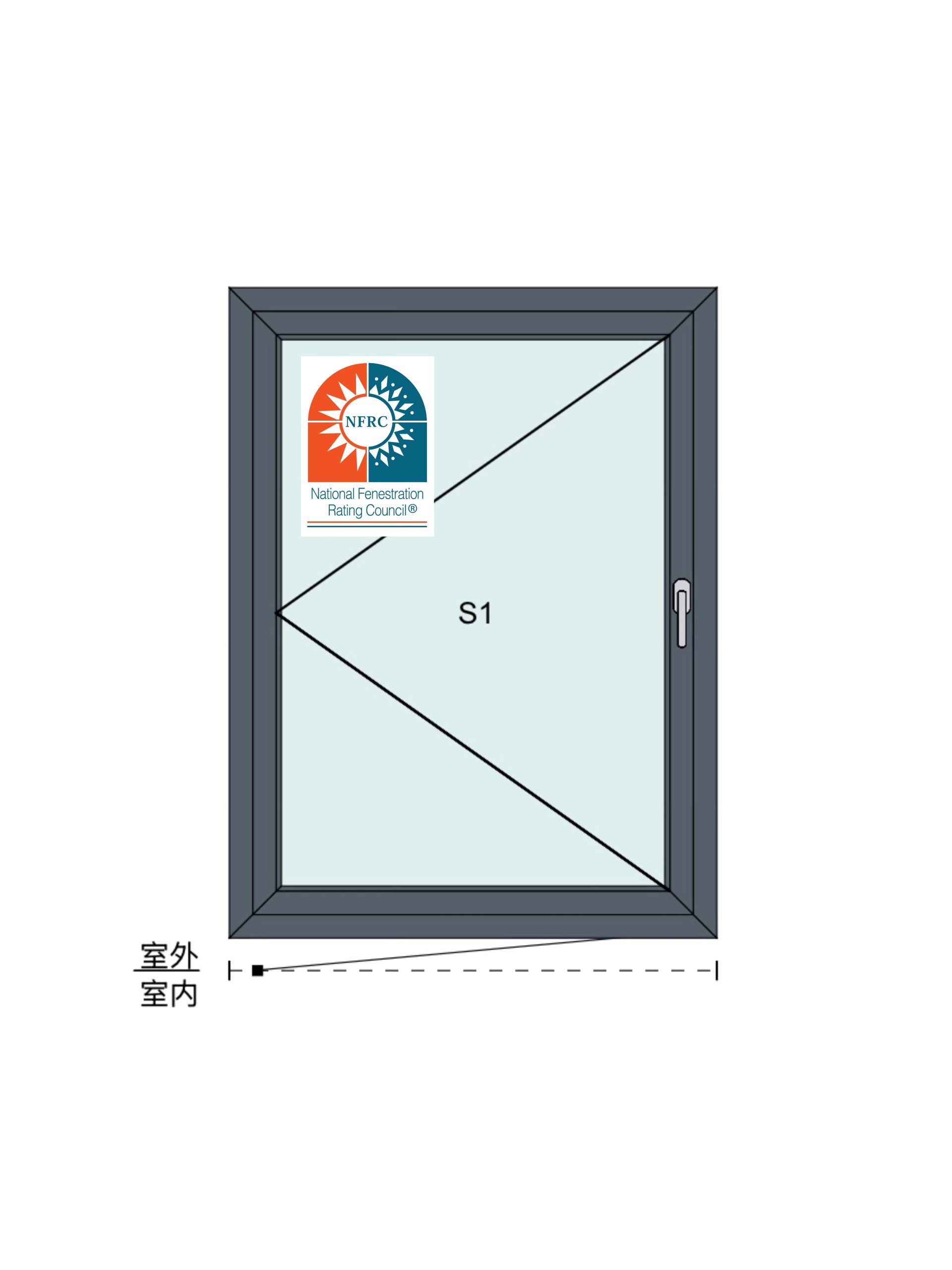
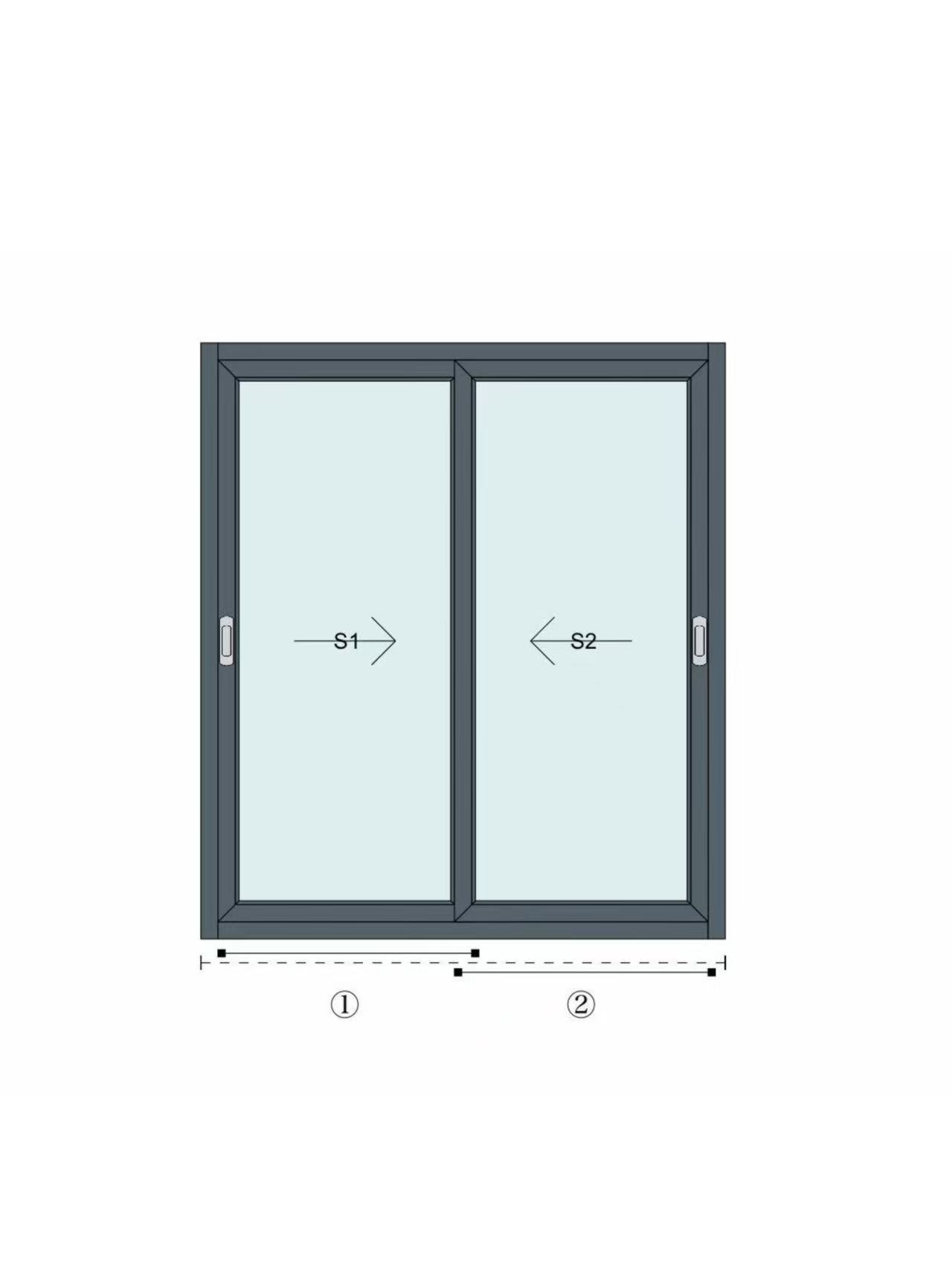
El ventanas Esta categoría resulta útil cuando un proyecto requiere varios tipos de apertura. Un edificio puede utilizar ventanas abatibles en cuartos húmedos, ventanas fijas para la entrada de luz natural, ventanas correderas en espacios reducidos y ventanas practicables donde se prefiere una mayor ventilación.
De Yuxinyuntong Ventana toldo Se recomienda cuando los compradores necesitan una apertura superior con bisagra hacia afuera para una ventilación controlada en caso de lluvia ligera. Sus perfiles de aluminio con rotura de puente térmico, tiras de nailon poliamida, diseño de sellado y estructura orientada a la intemperie contribuyen a un buen aislamiento, durabilidad, resistencia al viento y estanqueidad.
Antes de confirmar la producción, los compradores deben revisar los detalles del proyecto, no solo el nombre de la ventana. Los siguientes puntos pueden ayudar a convertir una solicitud general en una especificación más clara.
Área del proyecto: baño, cocina, pasillo, habitación de hotel, oficina o instalación pública.
Condiciones climáticas: exposición a la lluvia, dirección del viento, humedad, orientación solar y protección de la fachada.
Posición de apertura: altura del umbral, espacio libre exterior, accesorios interiores, acceso para limpieza y límites de seguridad.
Marco y cristal: perfiles de aluminio estándar o con rotura de puente térmico, vidrio de baja emisividad (Low-E), vidrio aislante, vidrio laminado o vidrio templado.
Herrajes y sellado: tipo de bisagra, manivela, tope de fricción, cerradura, junta, ajuste del marco a la hoja y detalles del umbral.
Requisitos de rendimiento: estanqueidad al aire, estanqueidad al agua, resistencia a la carga del viento, control acústico y plan de mantenimiento.
Detalles del pedido: tamaño, cantidad, color del marco, etiqueta de embalaje, secuencia de entrega y estado de aprobación final.
La elección de una ventana abatible para un proyecto comercial debe comenzar con las características del espacio y el clima, no con la imagen del catálogo. La exposición a la lluvia, la necesidad de ventilación, el rendimiento térmico, el acceso a los herrajes y los detalles del sellado influyen en el resultado final. Una especificación práctica indicará dónde se utilizará la ventana, cómo se abre, qué tipo de vidrio lleva, cómo sella y cómo se mantendrá.
Para edificios comerciales en climas lluviosos que necesitan soporte para la configuración de ventanas, los compradores pueden Envíe los planos, las dimensiones de las aberturas y los detalles de cantidad para la correspondencia del proyecto. antes de confirmar la producción.
P: ¿Son las ventanas abatibles adecuadas para climas lluviosos?
A: Las ventanas abatibles suelen ser una buena opción para climas lluviosos, ya que su hoja superior con bisagras permite la circulación del aire a la vez que ofrece protección parcial contra la lluvia ligera. Sin embargo, antes de realizar el pedido, se recomienda verificar la exposición a la lluvia, la dirección del viento, el drenaje, la estanqueidad y el sellado de la instalación.
P: ¿Qué deben comprobar los compradores antes de encargar ventanas abatibles para edificios comerciales?
A: Los compradores deben confirmar la función de la habitación, la altura de apertura, el espacio libre exterior, el sistema de marco, el paquete de vidrio, los herrajes, el sellado, la resistencia a la carga de viento, la estanqueidad, el acceso para mantenimiento, el tamaño, la cantidad y las etiquetas de embalaje.
P: ¿Cómo favorecen las ventanas abatibles la ventilación y la protección contra la intemperie?
A: La hoja se abre hacia afuera desde la parte inferior, mientras que la bisagra superior crea una abertura en ángulo que permite la circulación del aire y ofrece protección parcial contra la lluvia. Su estabilidad depende del diseño del marco, el vidrio, las juntas, los herrajes y una instalación adecuada.







Deja un comentario