
Nullam dignissim, ante scelerisque ist euismod fermentum odio Sem semper the is erat, ein feugiat leo urna eget eros. Duis Äänischeein imperdiet risos.
Nullam dignissim, ante scelerisque ist euismod fermentum odio Sem semper the is erat, ein feugiat leo urna eget eros. Duis Äänischeein imperdiet risos.
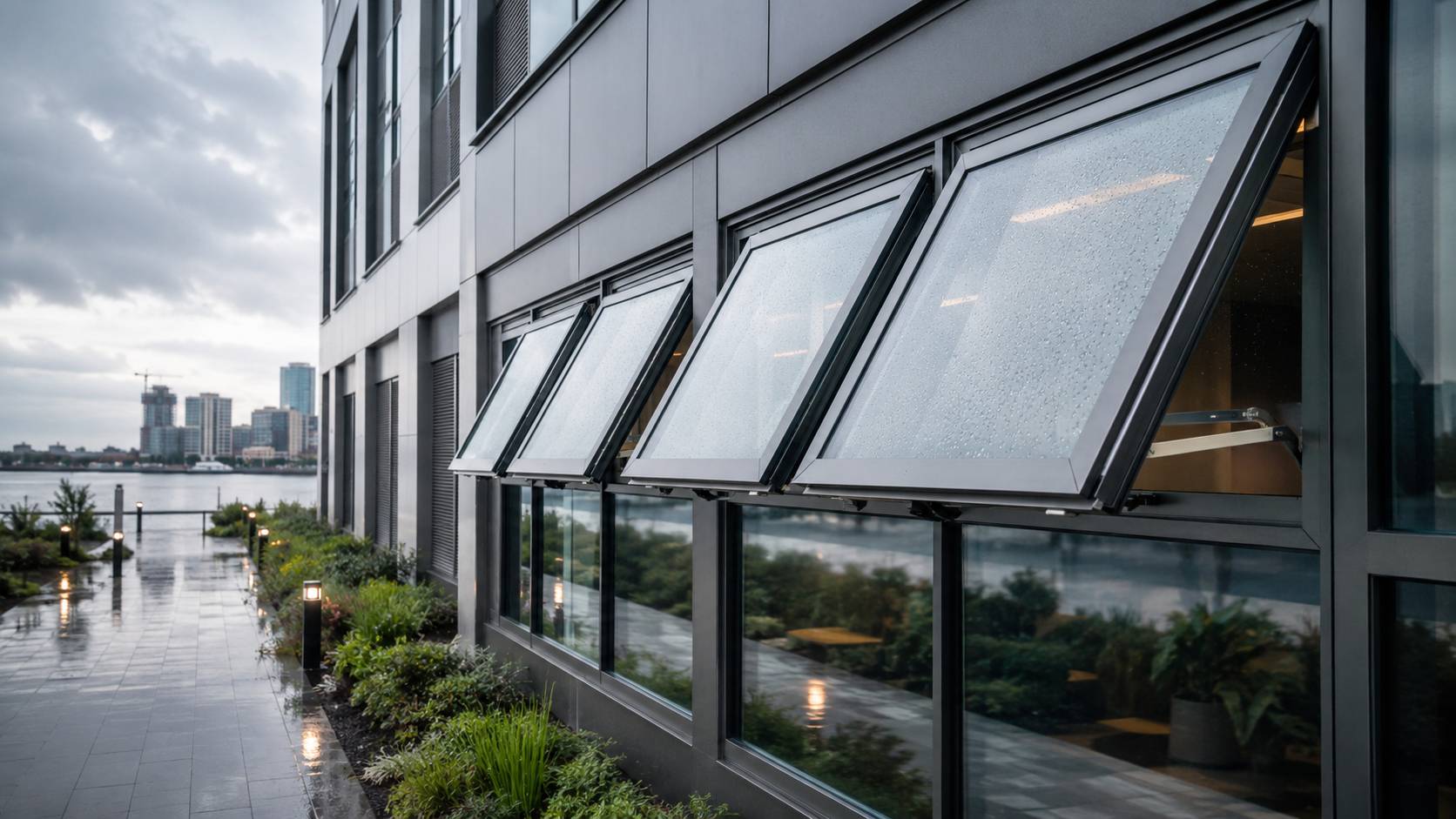
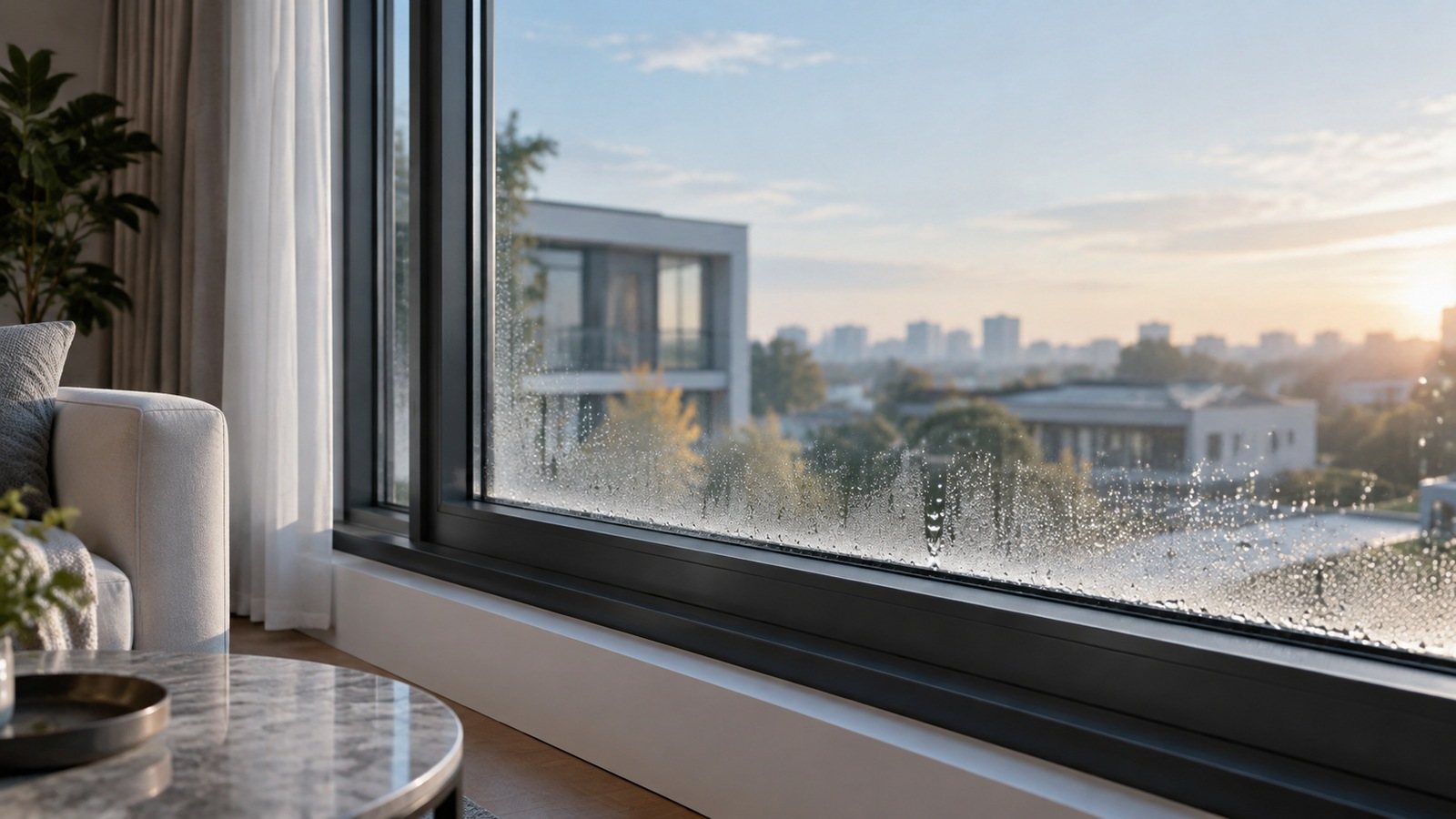
Regen ist bei Bauprojekten mehr als nur ein Wetterproblem, denn er beeinflusst Belüftung, Instandhaltung und die Wahrnehmung der Fensterleistung durch die Nutzer nach einer Regenzeit. In vielen Gewerbeimmobilien suchen Käufer nach Fenstern, die für Luftzirkulation sorgen. Gleichzeitig möchten sie vermeiden, dass der Innenraum zu stark dem Regen ausgesetzt ist. Hier kommen oft Aluminium-Klappfenster ins Spiel.
Dieser Leitfaden richtet sich an Käufer, die Fensteroptionen für Hotels, Büros, Wohnungen, Schulen, Kliniken und öffentliche Einrichtungen vergleichen. Im Vordergrund steht nicht das Aussehen. Eine gute Kaufentscheidung sollte verschiedene Faktoren berücksichtigen. Dazu gehören die Öffnungsposition, die Regenbeständigkeit, die Glaswahl, die Wärmedämmung, die Beschläge, die Abdichtung und die Wartungszugänglichkeit.
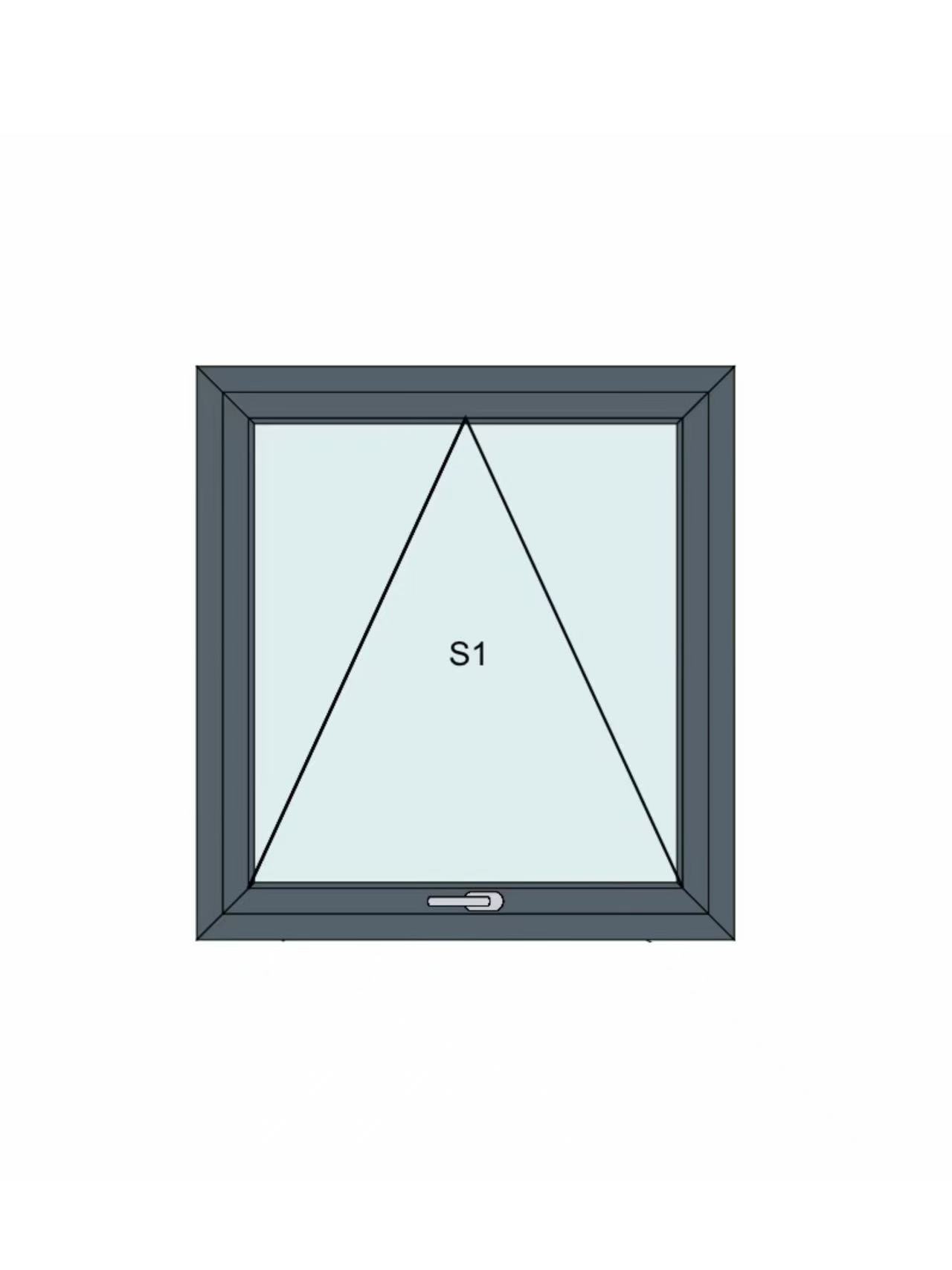
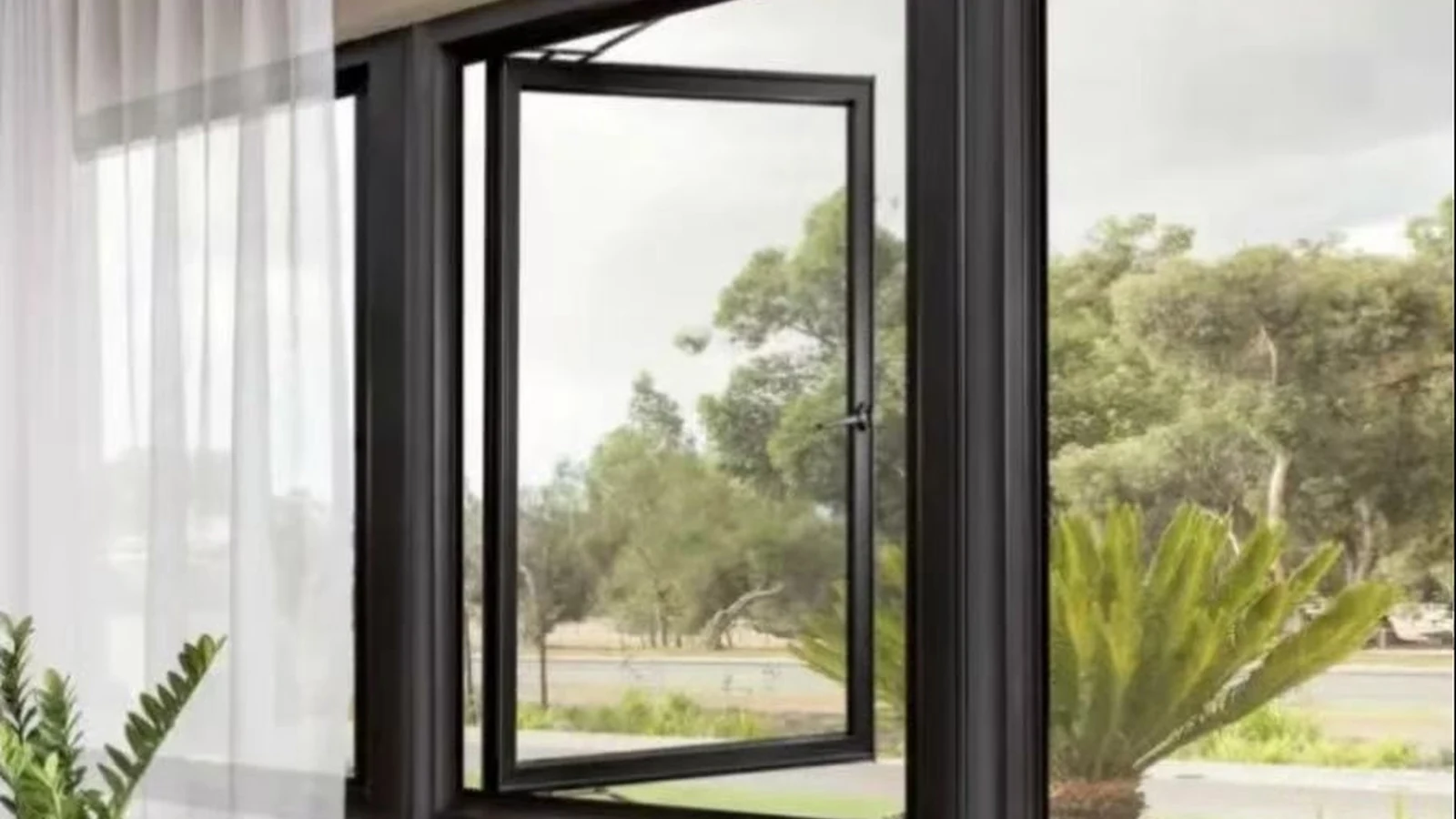
Klappfenster bestehen aus einem oben angeschlagenen Flügel, der sich von unten nach außen öffnet. Wird er in einem bestimmten Winkel geöffnet, bildet er eine kleine Abdeckung über der Öffnung. Diese Konstruktion ist besonders nützlich, wenn Räume auch bei leichtem Regen belüftet werden müssen.
Manche Räume benötigen regelmäßigen Luftaustausch, können aber nicht auf weit geöffnete Fenster angewiesen sein. Badezimmer müssen entfeuchtet werden. Küchen benötigen Luftzirkulation. Hotel-Serviceräume, Flure, Treppenhäuser und Wirtschaftsräume benötigen unter Umständen eine kontrollierte Belüftung, ohne die Raumaufteilung zu beeinträchtigen. In diesen Bereichen können Klappfenster praktischer sein als Fenster, die nach innen schwingen oder viel seitlichen Freiraum benötigen.
Entscheidend ist, dass die Öffnungsart dem tatsächlichen Nutzungszweck des Raumes entspricht. Ist das Fenster schwer zugänglich, sollte der Beschlag leicht zu bedienen sein. Bei schmalen Räumen darf die Öffnung nicht mit Schränken, Einbauten oder Trennwänden kollidieren.
Gewerberäume sind oft beengt geplant. Möbel, Waschbecken, Theken, Lüftungskanäle, Regale oder Trennwände befinden sich häufig in unmittelbarer Nähe der Fensterfront. Da sich ein Klappfenster nach außen öffnet, bleibt die Innenseite sauberer und ist leichter zugänglich. Aus diesem Grund vergleichen Käufer bereits in der frühen Planungsphase das Aluminium-Klappfenster mit Dreh-, Schiebe- oder Festverglasungen.
Regenschutz ist nicht automatisch gegeben. Die nach oben öffnende Form bietet zwar einen gewissen Schutz, aber das gesamte Fenstersystem ist dennoch entscheidend. Käufer sollten daher vor der Bestellung die Höhe des Fensters, die Windrichtung, die Wandöffnung, die Fensterbankkonstruktion und die Montageart prüfen.
Ein Vordachflügel kann bei leichtem Regen für Belüftung sorgen, ist aber keine Lösung für jedes Unwetter. Starkregen mit Winddruck kann das Wasser weiterhin gegen die Öffnung drücken. Ein Fenster unter einem Dachvorsprung verhält sich anders als eines in einem exponierten Obergeschoss.
Deshalb sollte das Projektteam die Regenexposition nach Höhenlage kennzeichnen. Ein geschütztes Korridorfenster, ein Hotelbadezimmerfenster und eine zur Küste ausgerichtete Fassade können jeweils unterschiedliche Leistungsanforderungen stellen.
Die Wasserdichtigkeit hängt von der Passgenauigkeit von Rahmen und Flügel, der Qualität der Dichtung, der Ausführung der Fensterbank, dem Wasserablauf und der Wandabdichtung ab. Selbst eine saubere Zeichnung kann vor Ort versagen, wenn die Öffnung uneben ist oder die Abdichtung mangelhaft ausgeführt wurde. In regenreichen Gebieten sollten Sie prüfen, wie das Wasser vom Rahmen abgeleitet wird, wie die Dichtung beim Schließen komprimiert wird und ob die Montageausführung zum Wandsystem passt.
Regenreiche Gebiete sind nicht immer kühl. Manche sind heiß und feucht, andere haben kalte Winter und feuchte Jahreszeiten. Daher sollte der Käufer die Wärmeleistung unter Berücksichtigung des lokalen Klimas und der geplanten Raumnutzung prüfen.
Ein Standard-Aluminiumrahmen und ein thermisch getrennter Rahmen verhalten sich nicht gleich. Thermisch getrennte Aluminiumprofile verwenden eine Isolierschicht zwischen den inneren und äußeren Aluminiumprofilen. Häufig werden hierfür Polyamid-Nylon-Streifen eingesetzt. Sie tragen dazu bei, den direkten Wärmetransfer durch den Rahmen zu reduzieren.
Auch das Glas beeinflusst das Ergebnis. Wärmedämmglas (Low-E-Glas) trägt zur Regulierung des Wärmeverlusts bei. Isolierglas kann sowohl die Wärmedämmung als auch den Schallschutz verbessern. Bei Projekten, bei denen Wärmedämmglasfenster verglichen werden, sollte der Glasaufbau vor Produktionsbeginn klar definiert sein.
Eine vage Angabe wie „Energiesparfenster“ reicht nicht aus. Käufer sollten sich über Rahmensystem, Glasart, Luftdichtheit, Beschlagdruck und Montageabdichtung informieren. Aus diesem Grund prüfen Käufer häufig die Wärmedämmstandards für Aluminium-Klappfenster, bevor sie die endgültige Spezifikation bestätigen. Details zu Beschlägen und Abdichtung, die Käufer prüfen sollten
Ein Fenster, das auf der Zeichnung korrekt aussieht, kann dennoch enttäuschen, wenn die Beschläge schwach oder schwer zu warten sind. Kippfenster benötigen Scharniere, Halterungen, Griffe, Schlösser und Dichtungen, um eine stabile Bewegung zu gewährleisten.
In Gewerbegebäuden werden Fenster häufiger geöffnet und geschlossen als in Wohngebäuden. So werden beispielsweise Hotelbadezimmerfenster, Schulflurfenster oder Bürofenster in Servicebereichen oft von verschiedenen Nutzern geöffnet und geschlossen. Die Beschläge sollten stabil sein. Der Öffnungsmechanismus muss der Einbauhöhe und der täglichen Nutzung angepasst sein.
Käufer sollten sich außerdem erkundigen, ob die Hardware ohne größere Beeinträchtigungen gereinigt, justiert oder ausgetauscht werden kann. Dies ist insbesondere für Gebäude mit langen Betriebszeiten wichtig.
Die Abdichtung dient nicht nur dem Schutz vor Regen. Sie beeinflusst auch Luftdurchlässigkeit, Lärm, Staub und den Wohnkomfort. Dichtungen, Eckverbindungen, Anpressdruck und Montagegenauigkeit spielen dabei eine wichtige Rolle. Ist ein Raum starker Beanspruchung, Wind oder häufigem Regen ausgesetzt, sollte die Abdichtung als Kernmerkmal und nicht als nebensächliches Detail betrachtet werden.
Für Käufer, die verschiedene Optionen für Markisenfenster zur gewerblichen Nutzung vergleichen, ist die beste Option diejenige, die das richtige Verhältnis von Rahmenstabilität, Glas, Beschlägen, Abdichtung und Wartungszugang bietet.
Das Aluminium-Klappfenster ist in vielen Bereichen nützlich, jedoch sollte nicht jede Öffnung in einem Gebäude mit demselben Fenstertyp ausgestattet sein. Eine gute Planung trennt die Bereiche nach ihrer Funktion.
Badezimmer und Küchen benötigen oft eine Belüftung, da sich Feuchtigkeit und Gerüche schnell ansammeln. Ein nach außen öffnender Flügel mit obenliegendem Scharnier fördert die Luftzirkulation und bietet gleichzeitig Schutz vor leichtem Regen. Käufer sollten bei diesen Räumen auf Sichtschutzglas, Öffnungshöhe, Korrosionsbeständigkeit der Beschläge und gute Reinigungsfreundlichkeit achten.
In der Nähe von Serviceräumen können sich mechanische Anlagen befinden. Daher sollten der Schieberweg und die Zugänglichkeit der Griffe vor Produktionsbeginn überprüft werden.
In Büroräumen können Klappfenster in Fluren, Besprechungsräumen oder Nebenarbeitsbereichen eingesetzt werden. Hotels nutzen sie unter Umständen für Badezimmer, Personalbereiche oder ausgewählte Gästezimmer. Schulen und Kliniken bevorzugen aus Sicherheits- und Aufsichtsgründen möglicherweise eine kontrollierte Öffnung.
In öffentlichen Einrichtungen sollte die Spezifikation auch das Nutzerverhalten berücksichtigen. Ein Fenster, das einfach zu bedienen, fehlervermeidend und wartungsarm ist, wird sich in der Regel langfristig als leistungsfähiger erweisen.
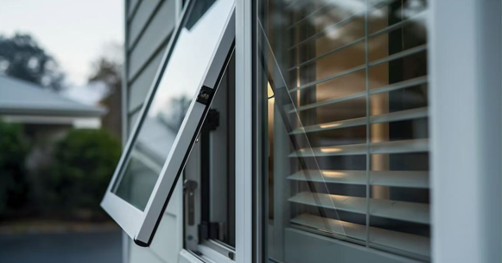
Sobald die Raumfunktion, die Öffnungsposition, die Regenexposition, die Anforderungen an die Verglasung und die Wartungszugänglichkeit geklärt sind, wird der Produktvergleich einfacher. Yuxinyuntong Funktioniert mit Fenstern, Türen und zugehörigen Baumaterialien, sodass Käufer bei Bedarf Fensteroptionen in einem umfassenderen Baupaket vergleichen können.
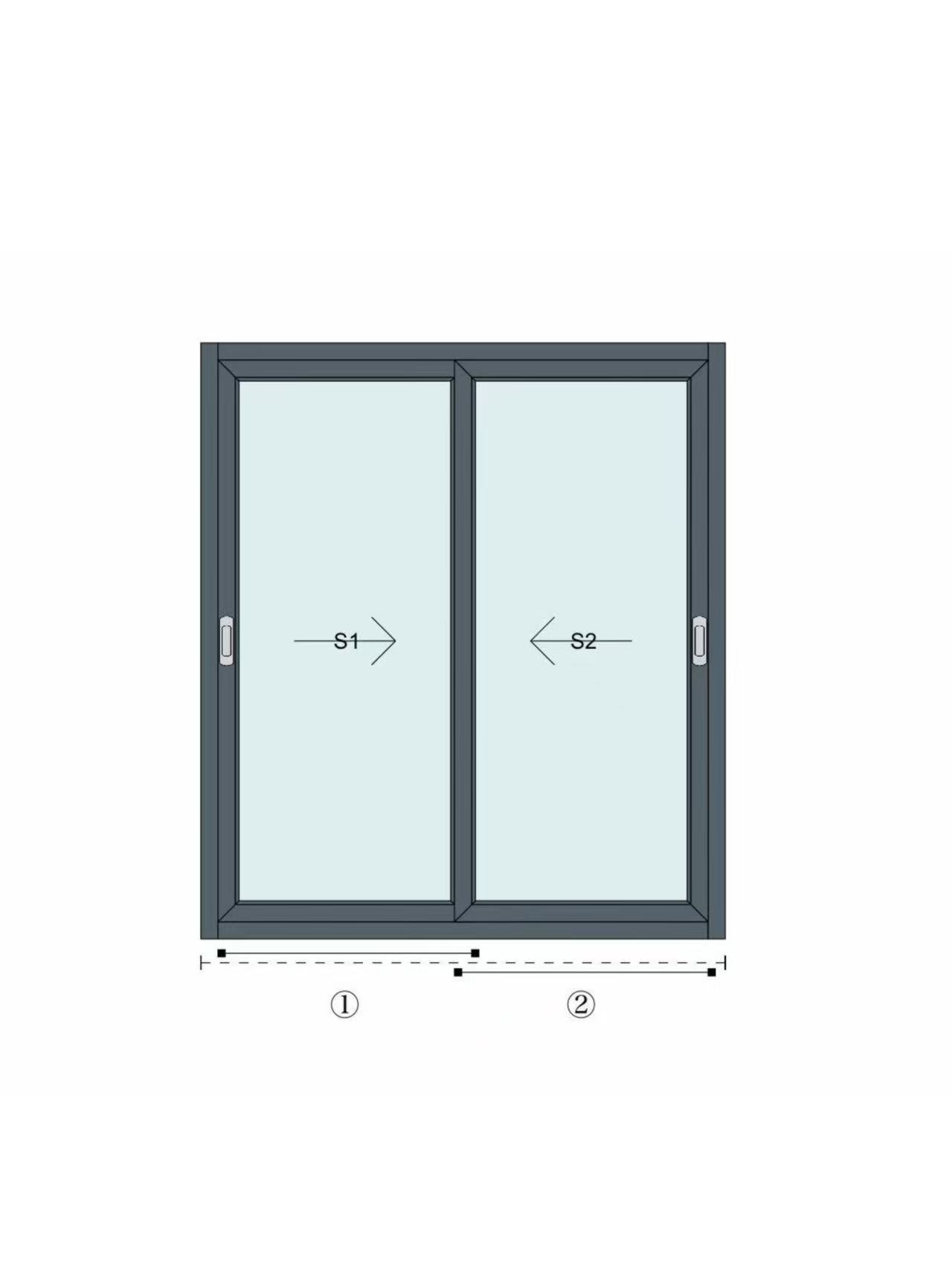
Die Windows Diese Kategorie ist hilfreich, wenn für ein Projekt verschiedene Öffnungstypen benötigt werden. Beispielsweise können in einem Gebäude Klappfenster in Feuchträumen, Festverglasungen für Tageslicht, Schiebefenster bei beengten Platzverhältnissen und Drehkippfenster für Räume, in denen eine stärkere Belüftung gewünscht ist, verwendet werden.
Yuxinyuntongs Markise Fenster Diese Lösung eignet sich, wenn Käufer eine nach oben und außen öffnende Tür für eine kontrollierte Belüftung bei leichtem Regen benötigen. Die thermisch getrennten Aluminiumprofile, die Polyamid-Nylon-Streifen, die Dichtungskonstruktion und die wetterfeste Struktur tragen zur Isolierung, Langlebigkeit, Windlastbeständigkeit und Wasserdichtigkeit bei.
Vor der Produktionsfreigabe sollten Käufer die Projektdetails und nicht nur die Fensterbezeichnung prüfen. Die folgenden Punkte helfen dabei, eine allgemeine Anfrage in eine präzisere Spezifikation zu verwandeln.
Projektbereich: Badezimmer, Küche, Flur, Hotelzimmer, Büro oder öffentliche Einrichtung.
Klimabedingungen: Regenexposition, Windrichtung, Luftfeuchtigkeit, Sonneneinstrahlung und Fassadenschutz.
Öffnungsposition: Schwellenhöhe, Außenabstand, Innenausstattung, Reinigungszugang und Sicherheitsgrenzen.
Rahmen und Glas: Standard-Aluminiumprofile oder thermisch getrennte Aluminiumprofile, Low-E-Glas, Isolierglas, Verbundglas oder Sicherheitsglas.
Beschläge und Abdichtung: Scharniertyp, Kurbelgriff, Reibungsstrebe, Schloss, Dichtung, Passung Rahmen-Flügel und Schwellendetails.
Leistungsanforderungen: Luftdichtheit, Wasserdichtheit, Windlastbeständigkeit, Schalldämmung und Wartungsplan.
Bestelldetails: Größe, Menge, Rahmenfarbe, Verpackungsetikett, Lieferreihenfolge und endgültiger Genehmigungsstatus.
Bei der Auswahl eines Klappfensters für ein gewerbliches Projekt sollten Raum und Klima im Vordergrund stehen, nicht das Katalogbild. Regeneinwirkung, Lüftungsbedarf, Wärmedämmung, Zugänglichkeit der Beschläge und Dichtungsdetails beeinflussen das Endergebnis. Eine praxisorientierte Spezifikation gibt an, wo das Fenster eingesetzt wird, wie es sich öffnen lässt, welche Verglasung verwendet wird, wie es abgedichtet ist und wie es gewartet wird.
Für Gewerbegebäude in regenreichen Gebieten, die Unterstützung bei der Fensterkonfiguration benötigen, können Käufer Senden Sie Zeichnungen, Öffnungsmaße und Mengenangaben zur Projektabgleichung. vor Bestätigung der Produktion.
F: Sind Markisenfenster für regnerische Klimazonen geeignet?
A: Ausstellfenster werden häufig in regenreichen Gebieten in Betracht gezogen, da der nach oben öffnende Flügel die Luftzirkulation fördert und gleichzeitig bei leichtem Regen einen teilweisen Regenschutz bietet. Käufer sollten jedoch vor der Bestellung die Regeneinwirkung, die Windrichtung, die Entwässerung, die Wasserdichtigkeit und die Abdichtung bei der Montage prüfen.
F: Worauf sollten Käufer vor der Bestellung von Markisenfenstern für Gewerbegebäude achten?
A: Käufer sollten die Raumfunktion, die Öffnungshöhe, den Außenabstand, das Rahmensystem, die Verglasung, die Beschläge, die Abdichtung, die Windlastbeständigkeit, die Wasserdichtheit, die Wartungszugänglichkeit, die Größe, die Menge und die Verpackungsetiketten bestätigen.
F: Wie tragen Markisenfenster zur Belüftung und zum Wetterschutz bei?
A: Der Flügel öffnet sich von unten nach außen, ist aber oben angeschlagen. Dadurch entsteht eine schräge Öffnung, die für Luftzirkulation und teilweisen Regenschutz sorgt. Die Stabilität hängt jedoch weiterhin von der Rahmenkonstruktion, dem Glas, den Dichtungen, den Beschlägen und der fachgerechten Montage ab.









Hinterlasse einen Kommentar