
Nullam dignissim, ante scelerisque ist euismod fermentum odio Sem semper the is erat, ein feugiat leo urna eget eros. Duis Äänischeein imperdiet risos.
Nullam dignissim, ante scelerisque ist euismod fermentum odio Sem semper the is erat, ein feugiat leo urna eget eros. Duis Äänischeein imperdiet risos.
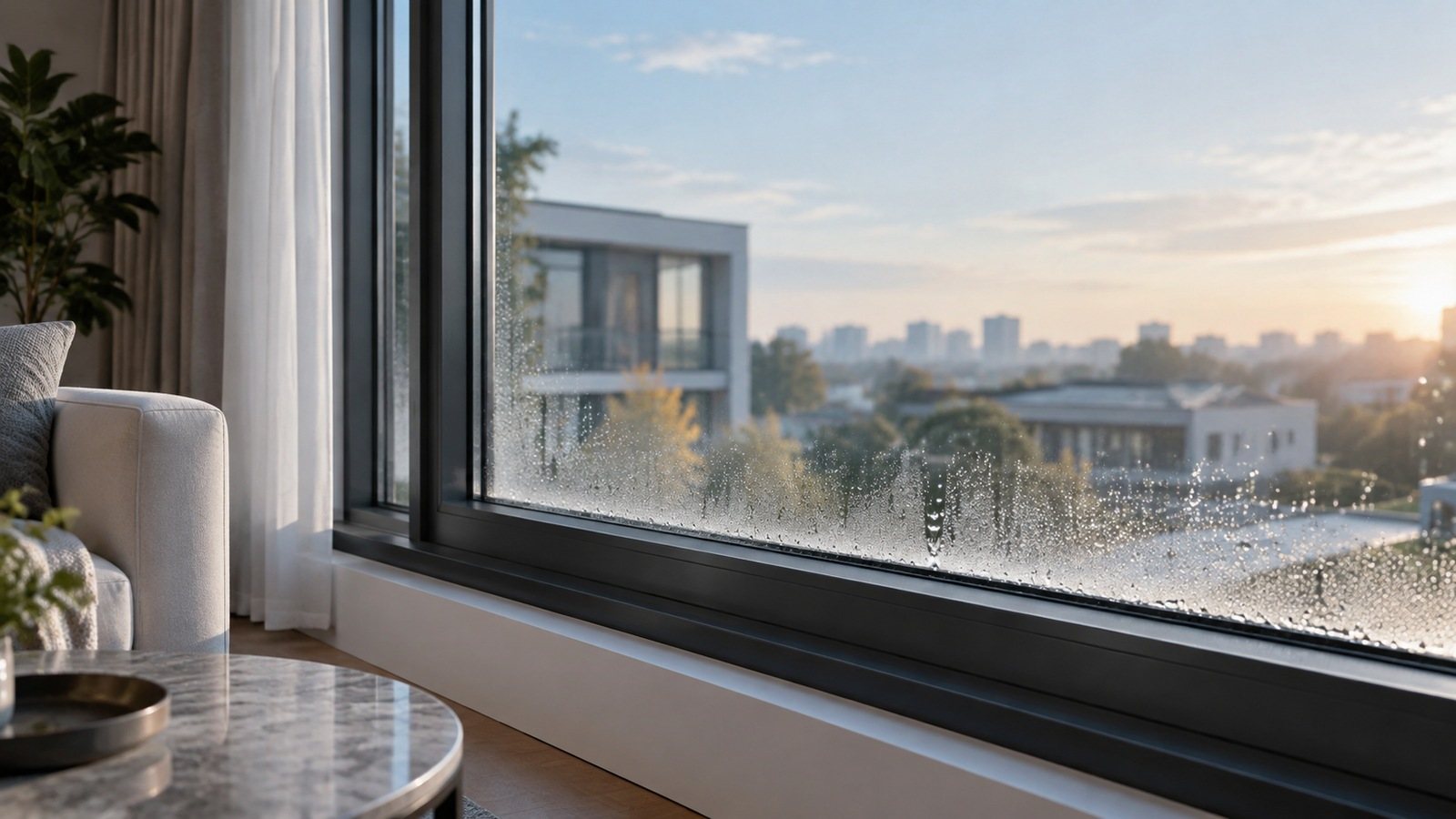
While condensation on a window may appear to be a minor problem, in a housing development, hotel or commercial property, repeated instances of moisture can generate customer complaints and cause local damage to finishes. This could lead to unnecessary repair or replacement of parts. The root cause of the problem must first be established – i.e. where the water is forming and under what circumstances.
Condensation on Aluminium Windows occurs when the surface temperature of the window drops to a point where the moisture in the surrounding air changes from a gas to a liquid. The explanation above outlines the reasons for condensation and explains that there are several different scenarios that can arise, which need to be addressed in different ways.
For buyers comparing different types of windows for a new project, the important question is not if condensation will occur, but if the chosen window and glazing, combined with the correct installation details and ventilation strategy, will work in the building and in the climate.
Air contains water vapor. When warm, humid air comes into contact with a surface at a temperature below its dew point, the water vapor in the air will condense into droplets. The dew point of air changes with temperature and relative humidity. Thus a window that stays dry on some days may collect moisture on other days.
Aluminum is a good conductor of heat, so the inside surface of a frame can get cold in cool weather. A thermal break is typically a polyamide strip that is placed between the inner and outer parts of a frame to reduce heat transfer. However, a thermal break does not control indoor humidity and does not solve all the cold bridges in a building.
Aluminum windows with thermal break should be evaluated as complete systems. Even the best glass, spacer, gaskets and frame geometry can be impaired by a less-than-ideal perimeter connection to the surrounding walls and by negative pressures in the room that create uncomfortable ventilation.
Condensation on outside faces of Aluminiumfenster in rooms is caused by humid indoor air coming into contact with cold glass or a cold window frame. The causes of humid air in rooms are kitchens and bathrooms, laundry, crowded rooms and under-ventilated houses. Heavy curtains or deep window reveals can prevent warm air reaching the glass faces.
Document when the moisture problem occurs, the temperature in the room and an estimate of the indoor humidity. Also check if there have been any changes to cooking, showering or heating. Often improved ventilation and reduction of excess moisture can solve problems with condensation. However persistent problem with condensation occurring around the same frame edge may require closer investigation.
Exterior condensation on the outside surface of the glass can occur when the glass surface outside cools below the outdoor dew point – typically overnight and on calm, still days with clear skies. Condensation on outside surfaces of high performance insulation glass units can appear more noticeable as less heat is conducted through the glass from inside the building. If the condensation appears on the outside of the glass and clears as the weather changes then this is not a sign of failure of the window.
Condensation within the panes of windows is different from typical window condensation and can indicate a failed edge seal of the insulating glass unit. This type of condensation cannot be removed by typical ventilation methods as it is contained within a sealed cavity. It is recommended that you seek the assessment of a competent window or glazing specialist to determine whether the glass assembly requires repair or replacement.
Rain in walls that appears after wind driven rain, collects at the sill or even leaves stains on walls near openings could be a leakage problem and needs to be investigated quickly. In these cases all potential watertightness problems like drainage openings, gaskets, corner details of the frame, perimeter sealant, flashing and interfaces during installation need to be checked.
In isolation, “thermal break” does not equal a certain whole window performance. Find out which frame/glass combination the given performance figures refer to. Verify whether the supplier provides test reports or ratings, and check whether these were obtained for the correct size and glazing configuration, with the correct spacer and in accordance with the relevant standards for your project and destination.
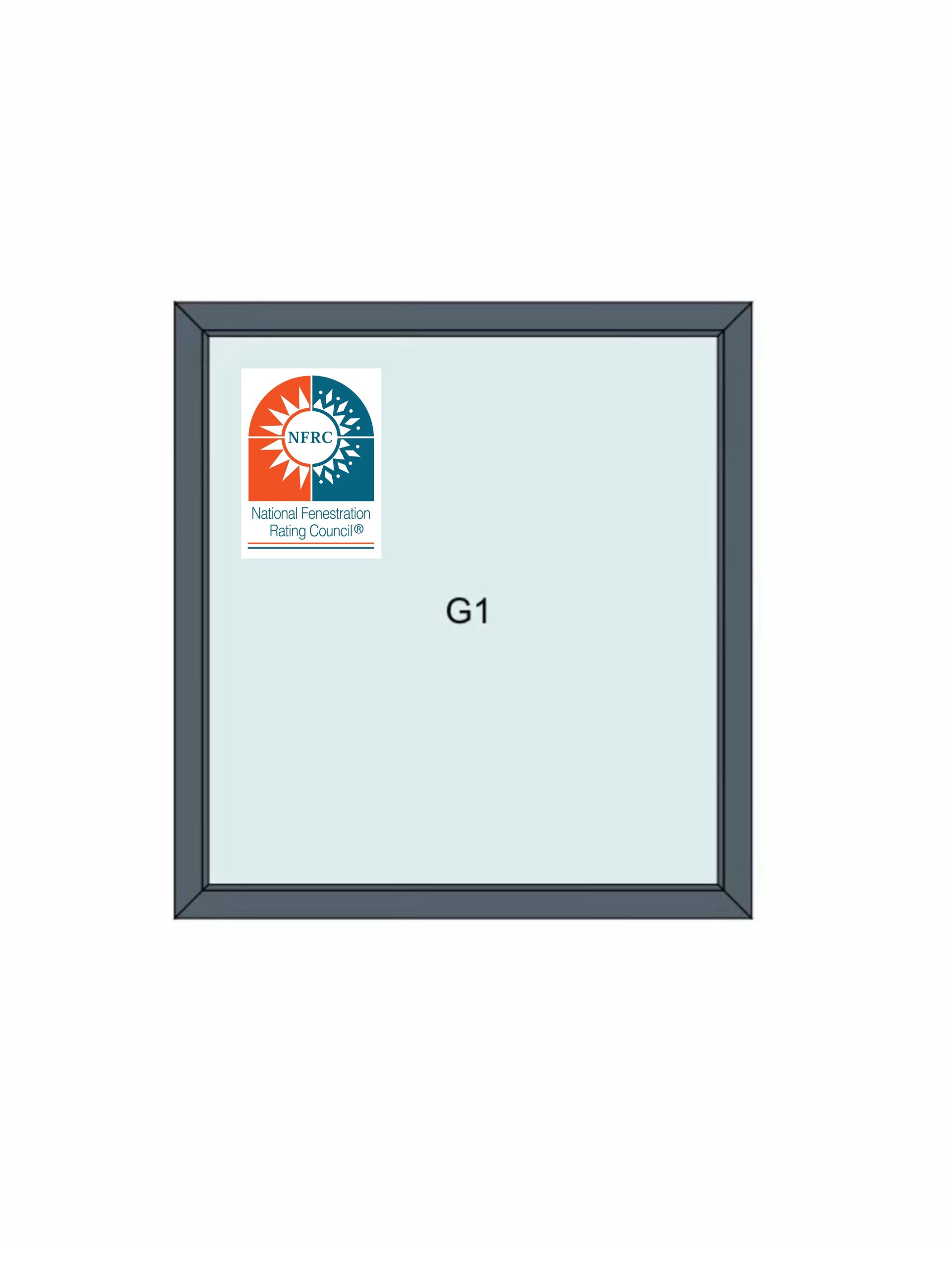
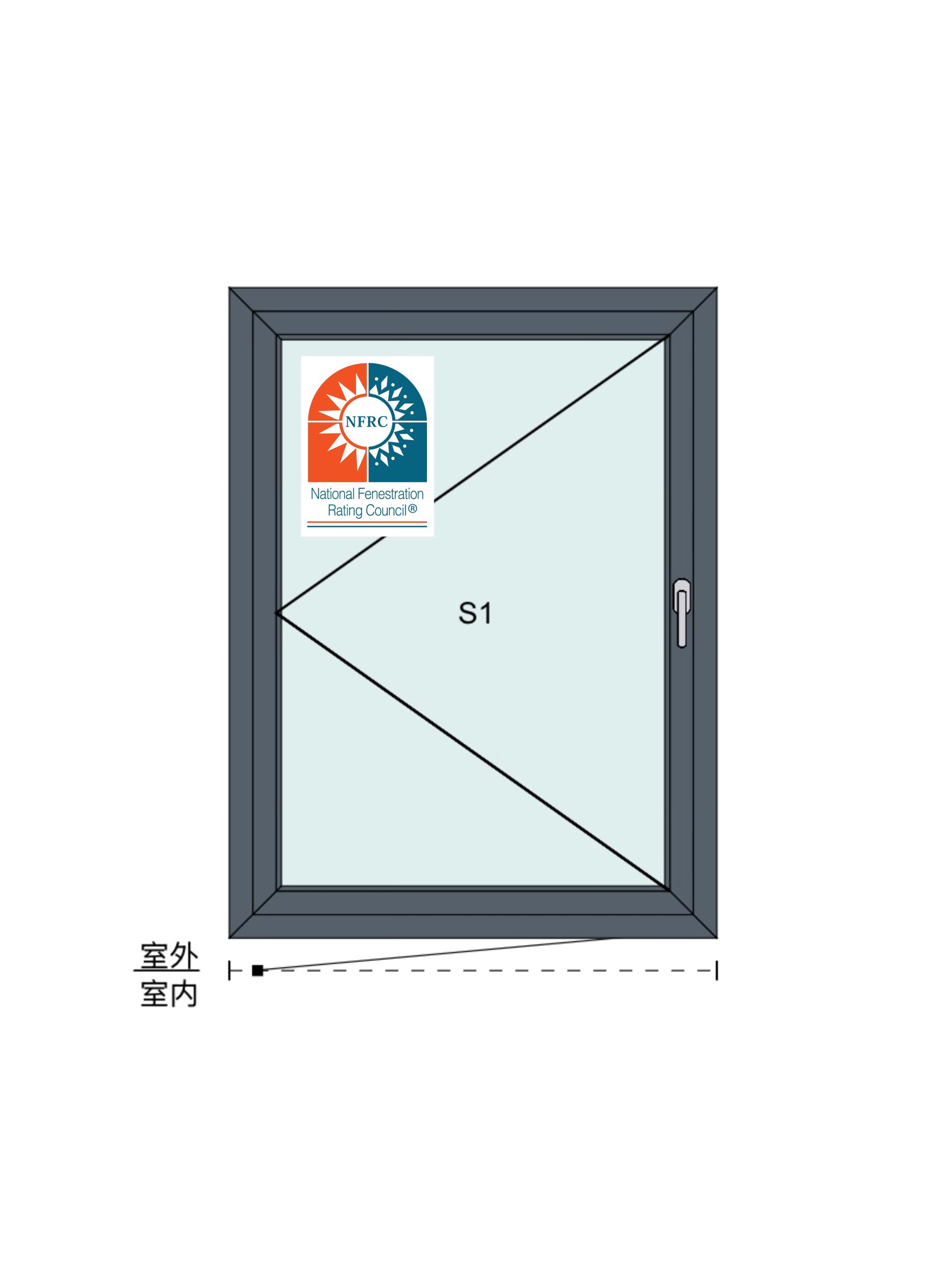
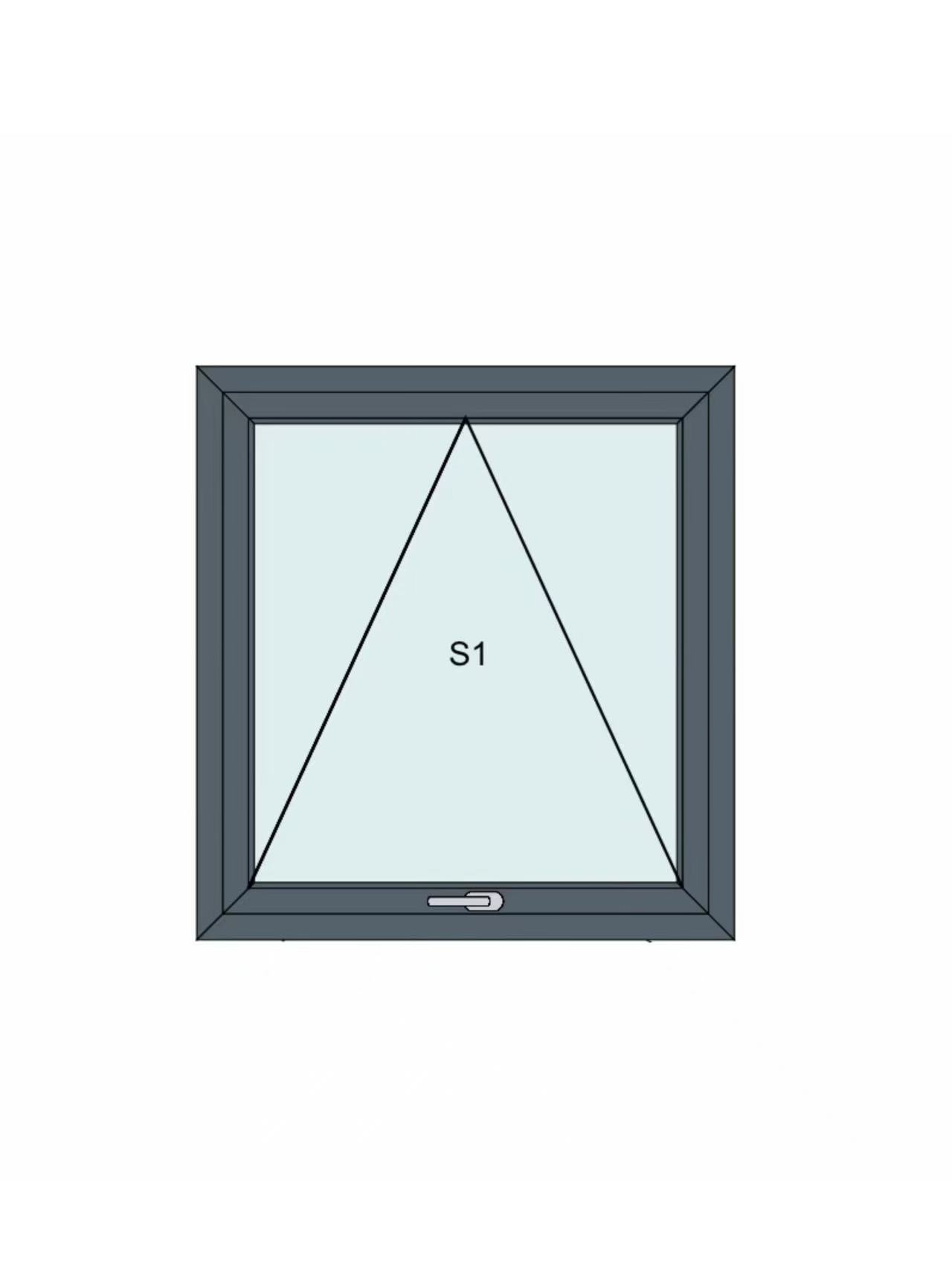
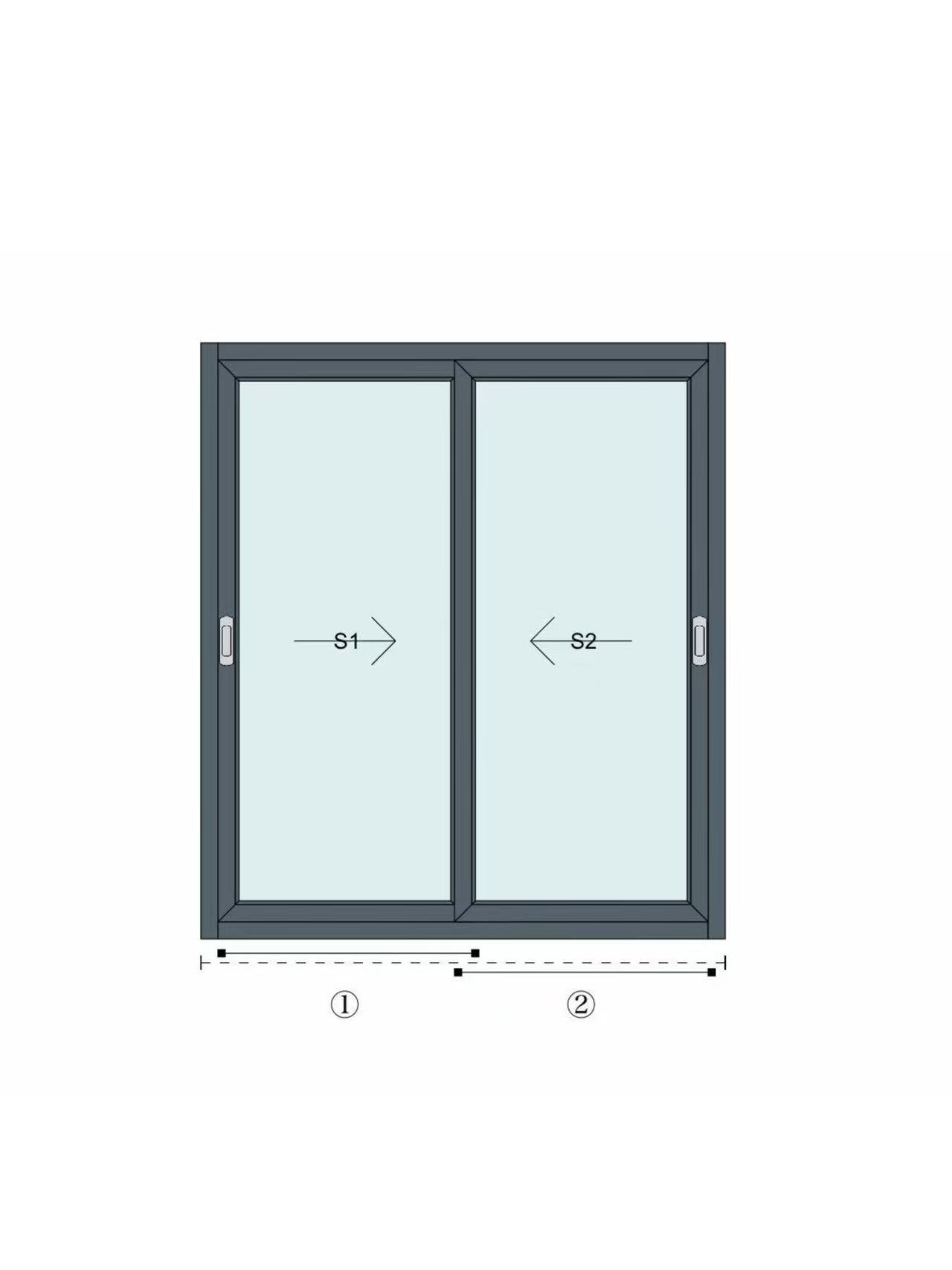
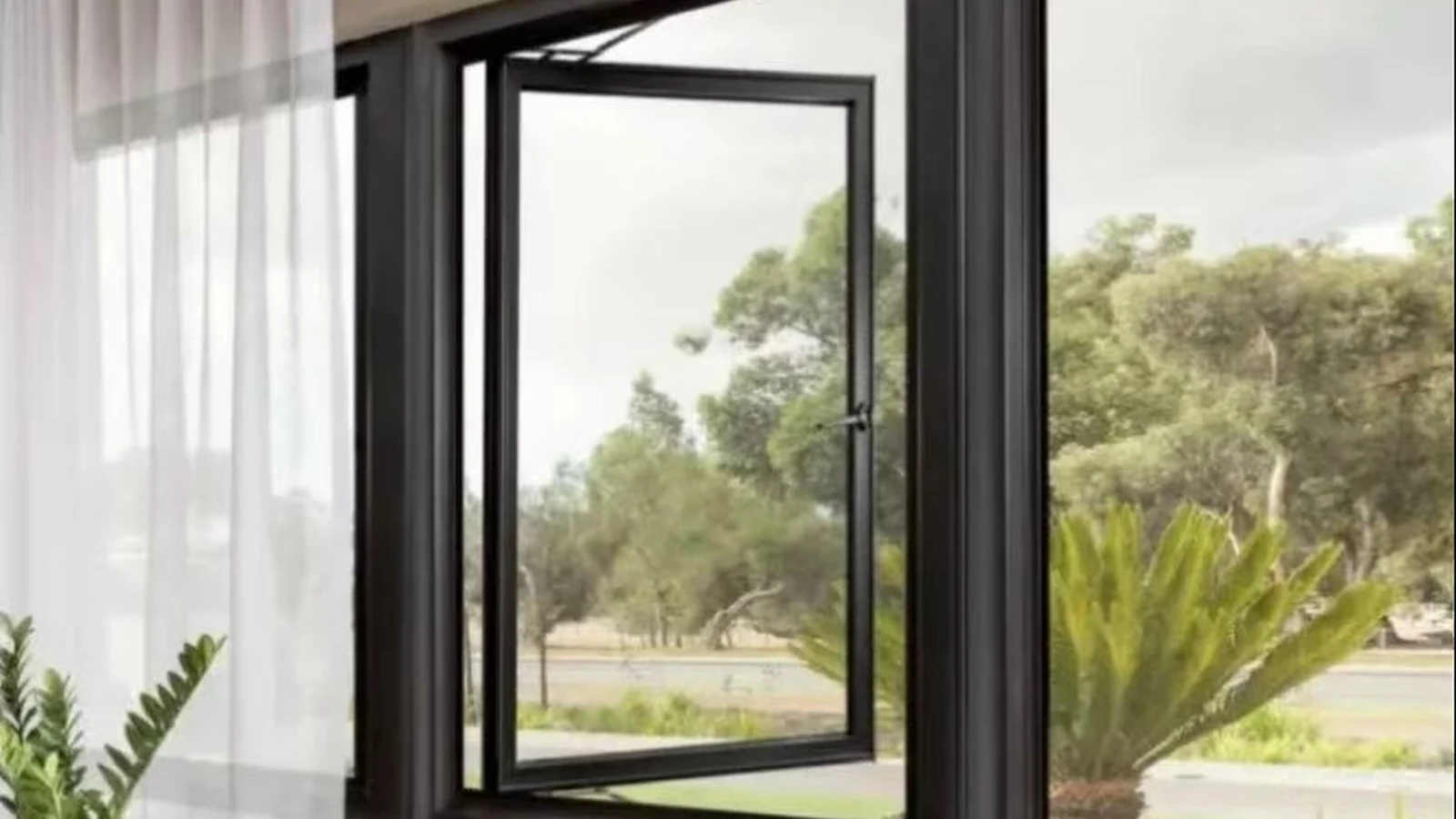
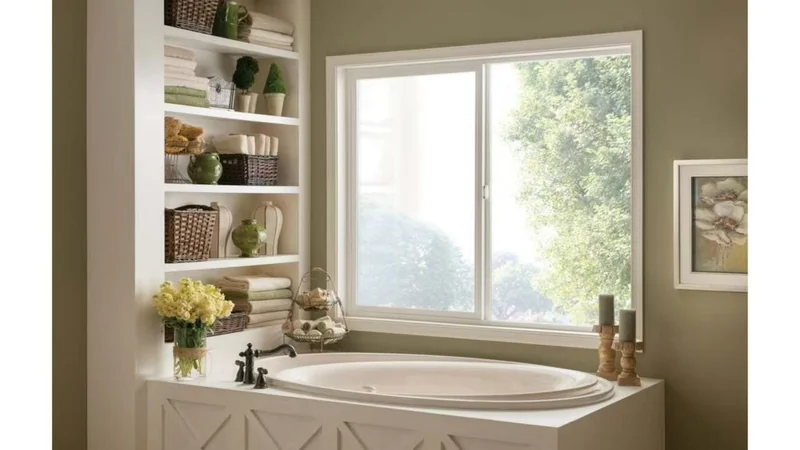
The window options are described using the thermally broken aluminium profiles from Yuxinyuntong and using polyamide thermal strips. There are fixed windows, casement windows, awning windows, sliding sashes, and tilt-and-turn sashes. Each opening type has its own specifics in terms of ventilation, closure, use of opening elements, and maintenance; therefore, the same frame material is not always the best solution for all rooms and facades.
View configurations for our Casement Fenster and compare awning window design to see how Ventilation Control can be important in certain rooms. Note that while a particular opening type may help reduce condensation, it is not a guarantee that it will be eliminated.
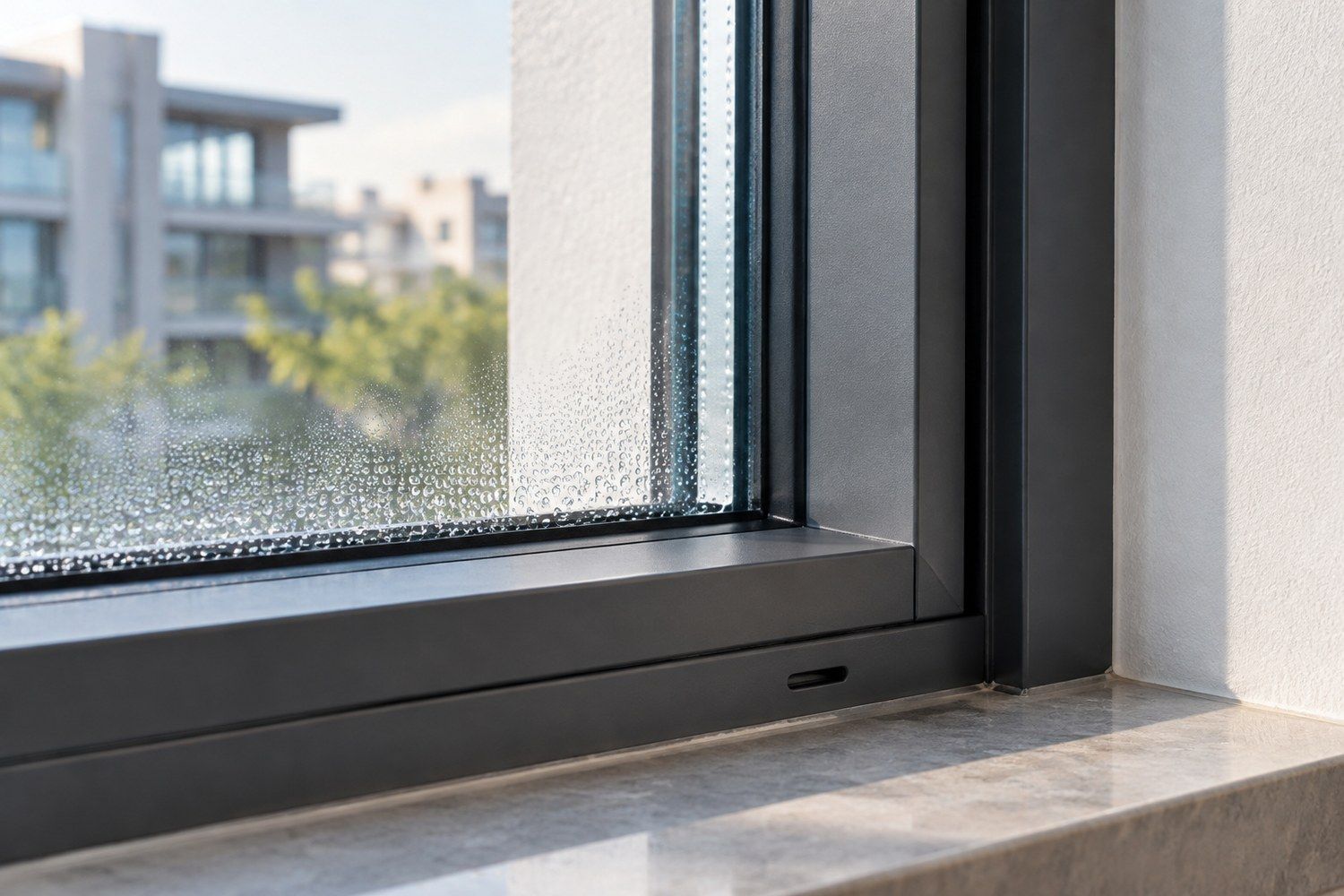
Changes to heat transfer through the glazing can be achieved with insulating glass or with Low-E coatings. TheSpacer at the edge of the glass affects how cold the edge becomes. Typically, choices are made based on climate, energy requirements, solar exposure, acoustics and safety issues. More panes are not necessarily better. Weight, frame size and overall window performance must all work.
The knowledge materials on EPDM weather seals and drainage holes for window systems also matter. For a gasket to correctly compress, and for incidental water to be able to drain off, drainage paths have to remain free. A well-specified product is not enough, as installation errors can prevent drainage or even leave a sealless gap between the frame and the wall.
A useful supplier review turns general claims into facts which can be verified. Check the following before you approve a quote.
Don’t compare quotes based on Frame color or lowest price per unit. One quote may include different types of glazing, hardware, sealants or installation scope. List all your assumptions and have them written out so your team can review like items against like items.
Collecting photographs of the areas where moisture occurs, as well as the conditions in the room, and the times of year when problems occur, will assist suppliers and installers alike to address recurring moisture problems on a project and provide a more helpful starting point than a simple message that reads ‘stop condensation’.
Yuxinyuntong supply aluminium windows and doors. As part of their full service to customers, they detail pre-sales consultation and after-sales service & maintenance. Should a buyer have a window project and wish to discuss the opening schedule, the climate or project location, preferred window style, glass requirements and any special performance requirements, the team can clarify what configuration would be suitable for a buyer’s circumstances. However, this would not replace project specific testing and local building code checks.
Aluminium window condensation is a symptom of a problem, not a problem in itself. Work out where the moisture is showing i.e. is it between the panes, on the room side, outside the window, around the frame after rain etc. and then go through the causes of condensation on aluminium windows in order i.e. indoor humidity, thermal breaks, frame material, seals, frame drainage and finally installation.
When specifying new projects, Thermal Break Aluminium Windows are often specified as part of a higher performing building envelope assembly. However, it is the full configuration and evidence that has driven the choice of product rather than the word Thermal Break itself. Condensation on Aluminium Windows can and does reoccur. It is essential that evidence of the occurrence is documented before any work to try and ‘cure’ the problem is carried out. For replacement or new procurement of Aluminium Windows, it is essential that the supplier provides detailed information about the proposed product, supporting test information that clearly explains the proposed Aluminium Window build-up, and most importantly information and guidance on how the product can be maintained to ensure long term performance.
Q1: Does condensation mean aluminium windows are defective?
A1: No. Condensation on the room side occurs due to excessive humidity and cold surfaces. Exterior condensation usually occurs under normal weather conditions. However, if moisture gets between the panes or water enters the room repeatedly through the frame, a different kind of inspection is required.
Q2: Does thermal break aluminum frames eliminate all condensation?
A2: No window is completely condensation free. Thermal breaks decrease heat conduction through the frame. However, humidity, glass edge temperature, ventilation, interfaces between installation elements and weather all play a role for condensation.
Q3: What should I send a supplier when asking about condensation?
A3: Share a photo of the exact wet area, when it occurs, and the surrounding room and outdoor circumstances, plus relevant product details and drawings of how it was installed. Get the supplier to review the frame, glazing, seals, drainage and test data for that specific configuration as opposed to just recommending an alternative based on a photo.









Hinterlasse einen Kommentar